Before or after a home purchase
The roof is the largest near-term number in a home transaction, and its condition is read properly only from on top of it and under it. Buyers and sellers both plan better with the document than with a guess.

A full condition reading of your roof — surface, flashing, deck, attic, and ventilation — with photographs, findings by slope, and an honest remaining-life estimate in writing.
A roof inspection is the document every other roofing decision should rest on. Not a glance from the driveway, and not a sales call wearing a clipboard — a systematic reading of the whole system: shingle surface and granule condition slope by slope, flashing and boots at every penetration, valleys and ridge details, the deck's story told from the attic, and the ventilation that decides how fast the whole assembly ages.
In Houston, the case for regular inspection is written by the weather. Heat ages these roofs faster than the calendar, storms test them in clusters, and small failures — a cracked boot, a lifted seal — stay silent until they have soaked a deck. The local professionals in this network produce inspections the way they should be produced: photographed, written, and specific enough to plan repairs, time a replacement, or walk into a home sale with your eyes open.
The ProblemShingles can look complete while their sealant bonds have let go across a slope — a roof that will shed pieces in the next real wind, discovered only by touch.
 The Fix
An inspection does not fix problems — it converts them from surprises into plans:
The roof is the largest near-term number in a home transaction, and its condition is read properly only from on top of it and under it. Buyers and sellers both plan better with the document than with a guess.
Wind-lift and debris damage hide in plain sight: seals broken without shingles missing, impacts under the canopy line. A post-storm reading catches the damage while it is still a repair.
Houston asphalt roofs enter their decision decade in their late teens. An inspection at that age replaces anxiety with a timeline — what to maintain, what to watch, when to plan.
The inspection's whole value is timing: findings handled as maintenance items this year are the same findings that arrive as leaks and rot two years from now.
The surface gets read slope by slope, because slopes age at different speeds: granule condition, curling and brittleness, cracked or missing pieces, exposed fasteners, and the sealant bond that decides storm resistance. Then the details — the roof's true weak points: every pipe boot, vent, and exhaust cap; flashing at chimneys, walls, and skylights; valley linings; ridge caps; drip edge and gutter condition where the roof hands its water off.
The inspection finishes underneath. In the attic: deck staining and moisture evidence, daylight points, insulation condition, and the ventilation path from soffit to ridge — the system whose failure cooks shingles from below in a Texas summer. Each area is photographed, and the findings are written as a remaining-life estimate with a maintenance list in priority order: now, this year, watch.
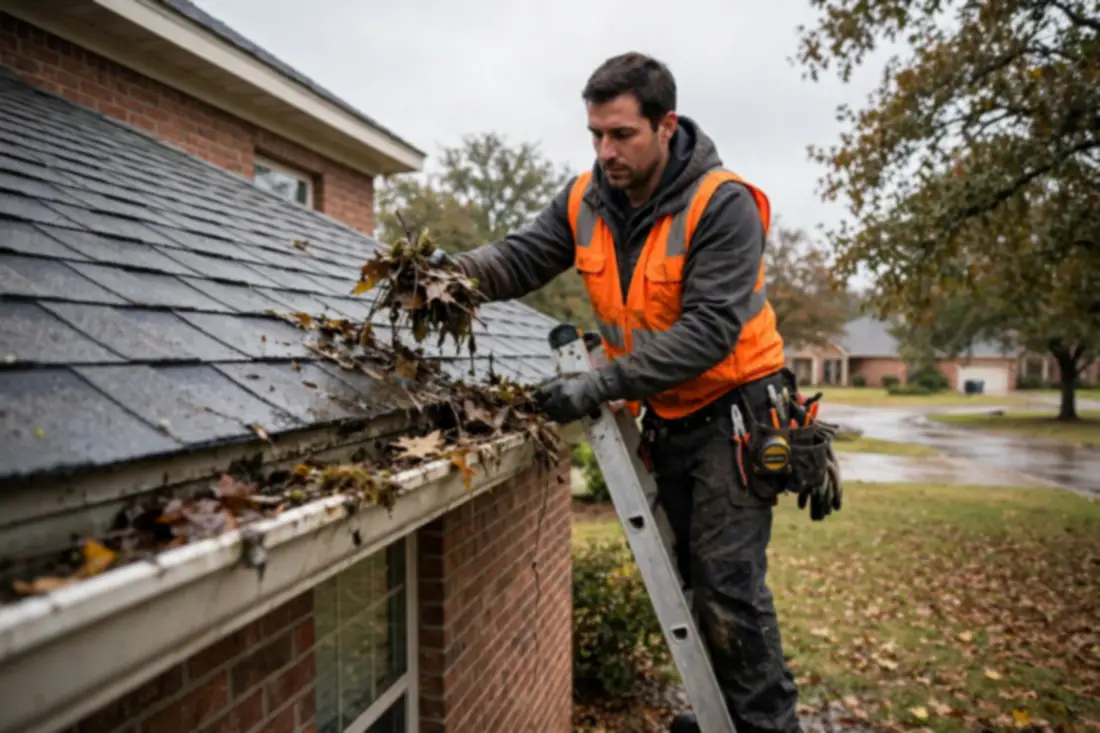
Houston inspections look for Houston signatures. Algae streaking on shaded north slopes — cosmetic, but a marker of where moisture lingers. Boot and sealant failure advanced on sun-blasted south and west faces. Valley debris dams under pine and oak canopy. Attic temperatures and moisture that reveal ventilation shortfalls invisible from outside. And after 2024's storm run — the derecho, then Beryl — a metro full of roofs carrying quiet wind damage that only a slope-by-slope reading finds.
Local inspectors also read the roof against its neighborhood: the housing era, the builder's habits, the additions and their joints. A 2004 master-planned roof and a 1978 inner-loop roof get read on different clocks, and the written estimate should say which clock yours is on.
Boots, flashing sealant, and vent housings installed together fail together. An inspection reads them as a set and treats the set as maintenance, not as five future leaks.
Blocked soffits and undersized ridge venting trap attic heat and moisture, shortening the roof's life from beneath — invisible in every photograph of the surface.
Staining that has never reached a ceiling yet — the earliest, simplest moment to learn that a detail is weeping.
An inspection does not fix problems — it converts them from surprises into plans:
Granules, curl, brittleness, missing pieces, and seal integrity — recorded per slope, because your roof is four roofs aging at four speeds.
Boots, vents, flashing runs, valleys, ridge, drip edge, and gutters — the interruption points where roofs actually fail.
Deck evidence, moisture, daylight, insulation, and the airflow path that decides how fast the system ages.
Findings, remaining-life estimate, and a prioritized maintenance list — a document you own and can act on with any roofer.
Work the list in its order. The 'now' items are almost always details — boots, a flashing run, a valley clean-out — whose whole virtue is being done while they are still small. The 'this year' items become your planned maintenance. The 'watch' items get a date: re-read in twelve months, or after the next major storm, whichever comes first.
Keep the report with your home records and hand it to any future roofer as the starting point. A roof with a documented condition history gets sharper diagnoses, honester scopes, and — when the replacement year comes — a decision made from evidence instead of from a leak's urgency.
Half of a roof's story — the attic, the seals, the deck — cannot be seen from the street. An opinion offered from the ground is worth what it examined.
The report should read like evidence: photographs, findings, timelines. If every finding funnels to one product, ask for the document and decide in quiet.
A post-leak inspection is damage assessment. The same visit two years earlier was maintenance planning — the findings are smaller in that order.
Any inspection that does not include the underside has skipped the half of the roof that confesses first.
That cadence catches detail families as they age and storm damage while it is still a repair, in a climate that tests roofs in clusters.
Once the roof enters its decision decade, a yearly reading keeps the replacement a plan instead of an emergency.
The sequence of reports is the roof's medical record — condition trends visible across years are worth more than any single visit's snapshot.
Age, material, any symptoms, any deadlines — a sale, a storm, a stain. The visit is scoped to your questions.
Surface, details, attic, and ventilation examined and photographed, slope by slope.
Findings explained in plain language: what is sound, what is aging, what needs action and when.
The written report and photographs are yours — to act on now, file for a transaction, or hand to the next roofer.
That is exactly what the diagnosis is for. Describe what you are seeing and a local roofer will read the roof and tell you which service the evidence supports — in writing.
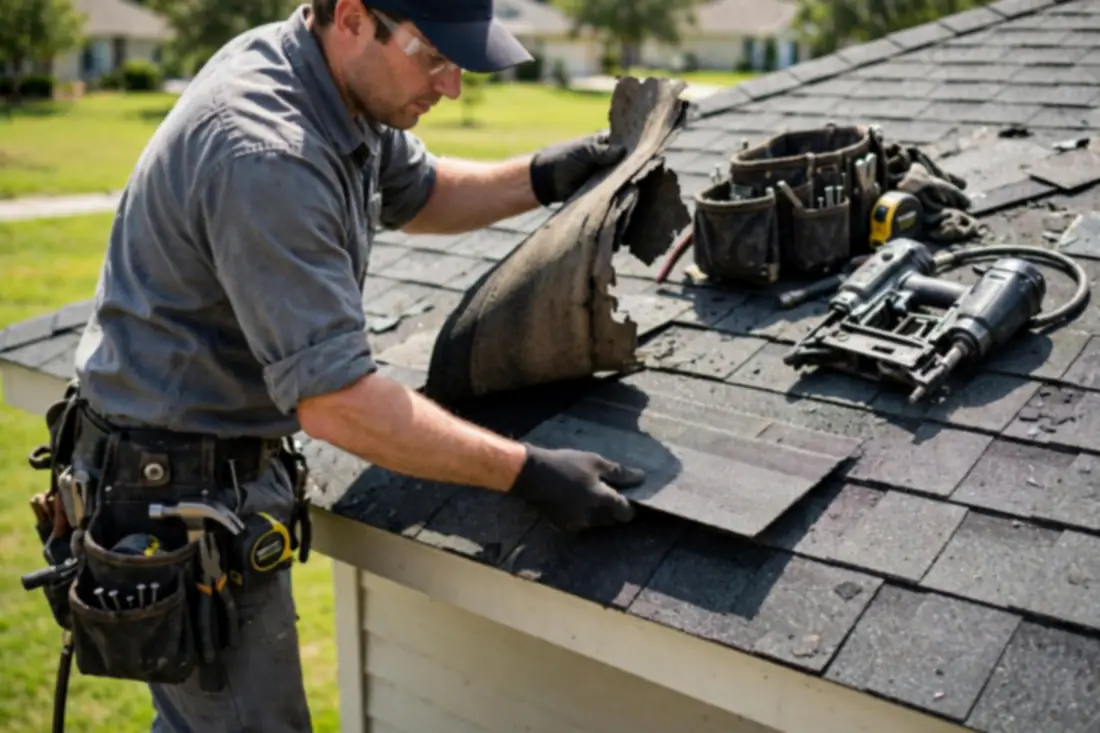
Targeted repairs for the failures Houston roofs actually develop — heat-curled shingles, cracked pipe boots, tired flashing, and storm-lifted edges caught before they reach the ceiling.
Explore Roof Repair →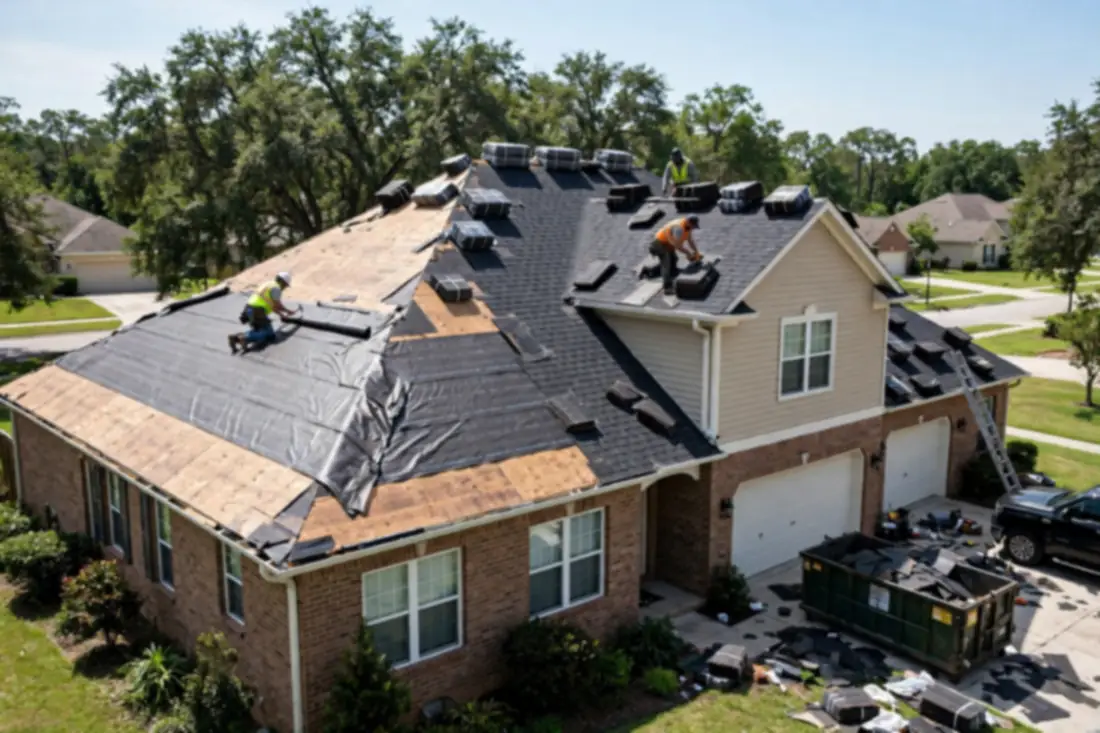
Full tear-off and re-roofing for Houston homes whose shingles have reached the end of their service life — deck inspection, modern underlayment, and a roof built for Gulf storms and Texas heat.
Explore Roof Replacement →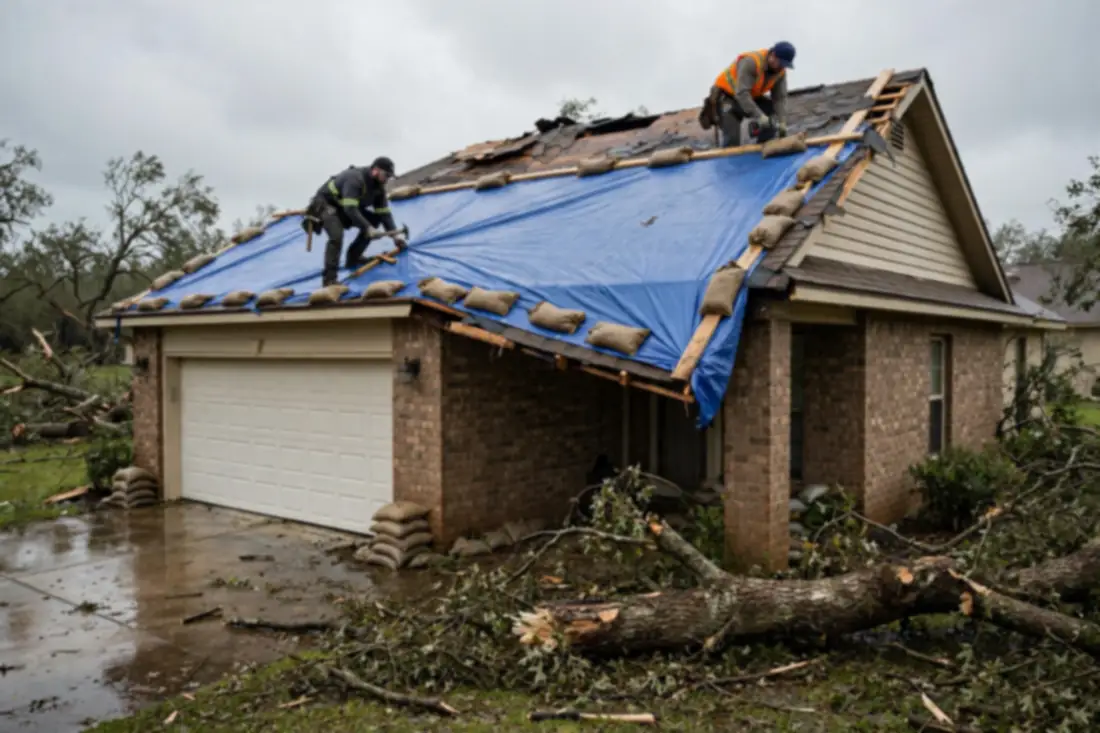
The storm-night service: roofs opened by wind, limbs, or sudden leaks made weather-tight fast — tarping, temporary sealing, and the permanent repair that follows.
Explore Emergency Roof Repair →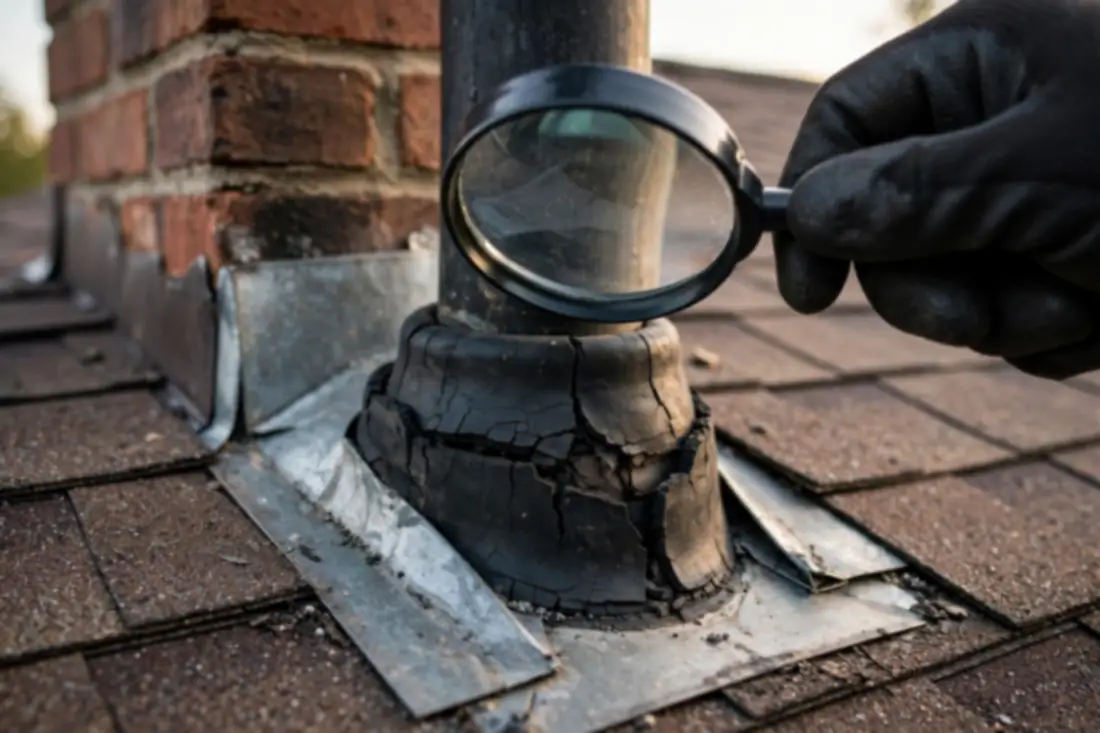
Attic-first leak detection for Houston homes — the stain traced to the failed boot, flashing, or seam above it, then repaired at the source layer, not at the symptom.
Explore Roof Leak Repair →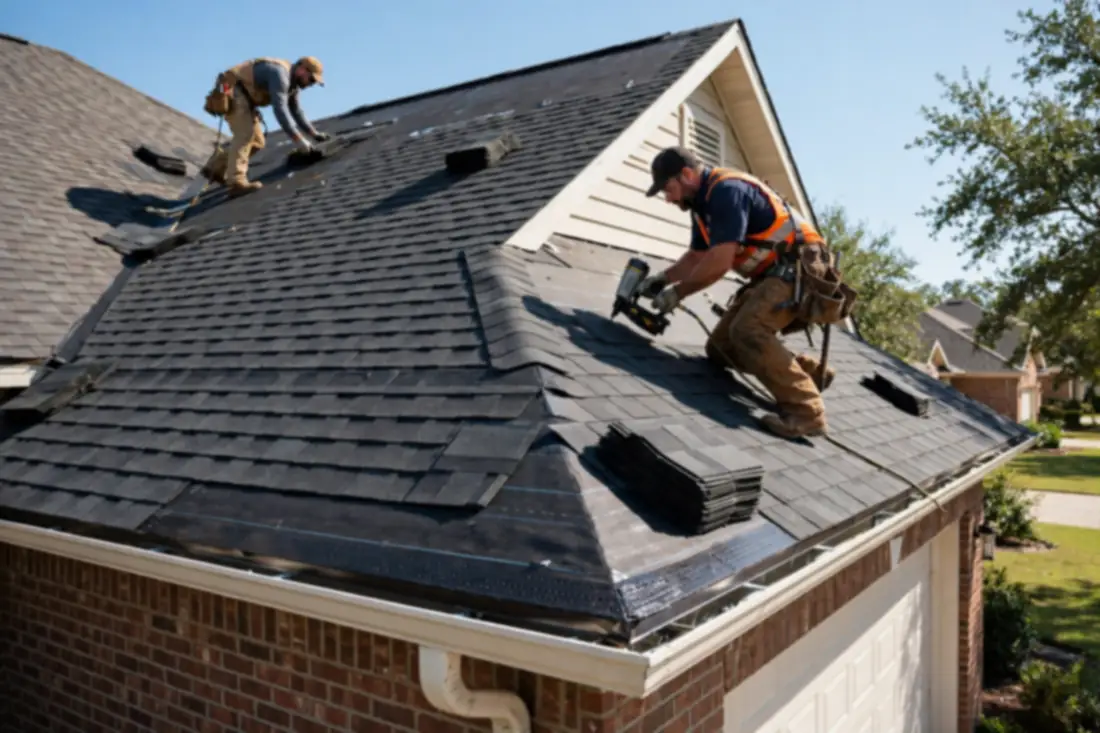
Architectural asphalt shingle roofing installed as a complete system — leak barrier, underlayment, flashing, and ventilation — matched to Houston heat, humidity, and storm wind.
Explore Shingle Roofing →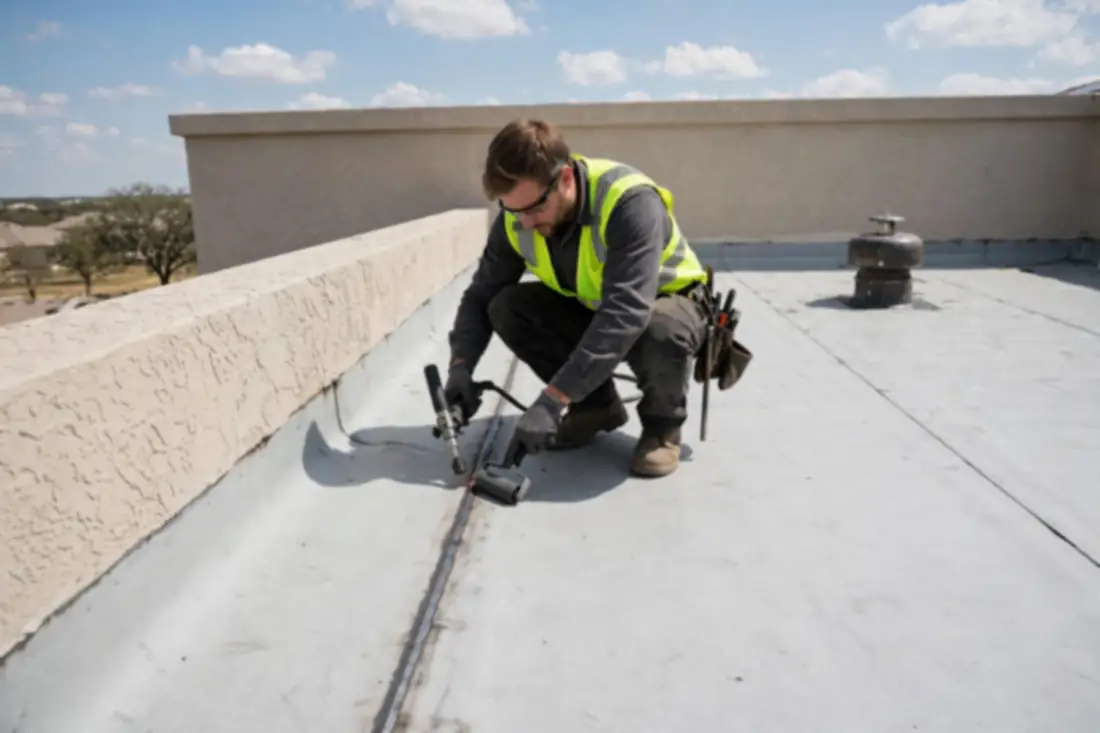
Membrane flat and low-slope roofing for Houston homes and additions — seams, drains, and ponding handled first, because flat roofs live or die by their drainage.
Explore Flat Roofing →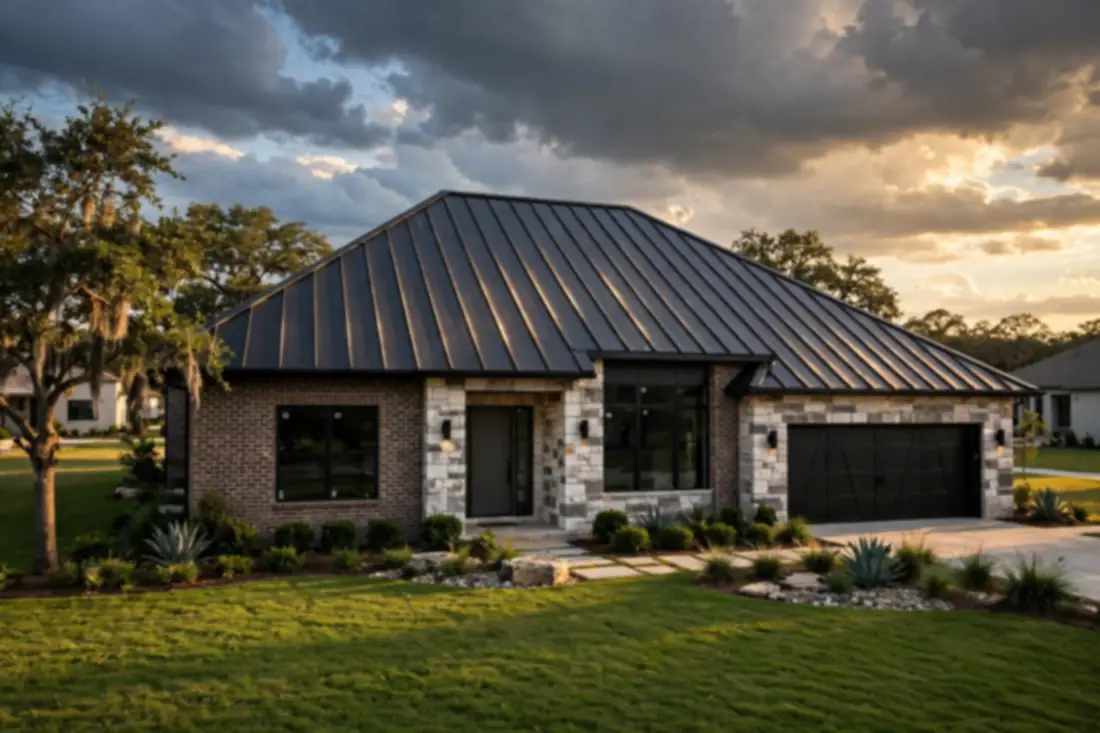
Standing seam and metal shingle roofing for Houston homes — panels detailed for Gulf wind, summer heat reflection, and decades of service with minimal upkeep.
Explore Metal Roofing →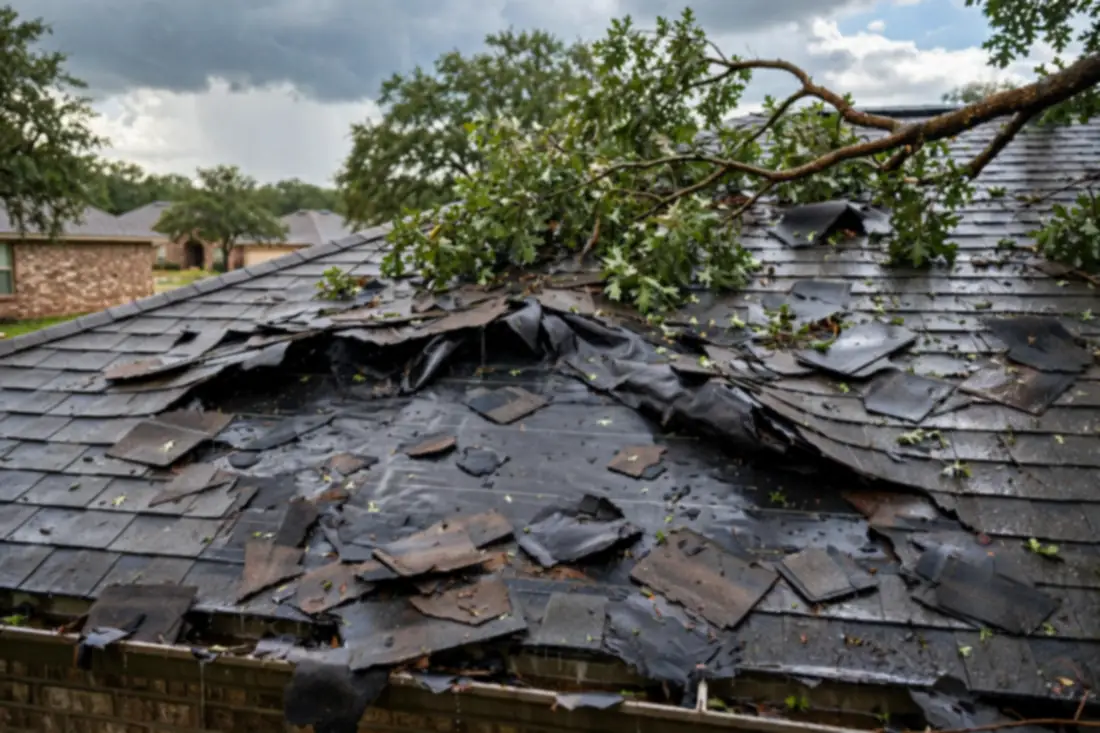
After the wind: storm-torn shingles, limb punctures, and lifted seals across Houston documented properly, stabilized, and repaired as a system — not just the hole you can see.
Explore Storm Damage Roof Repair →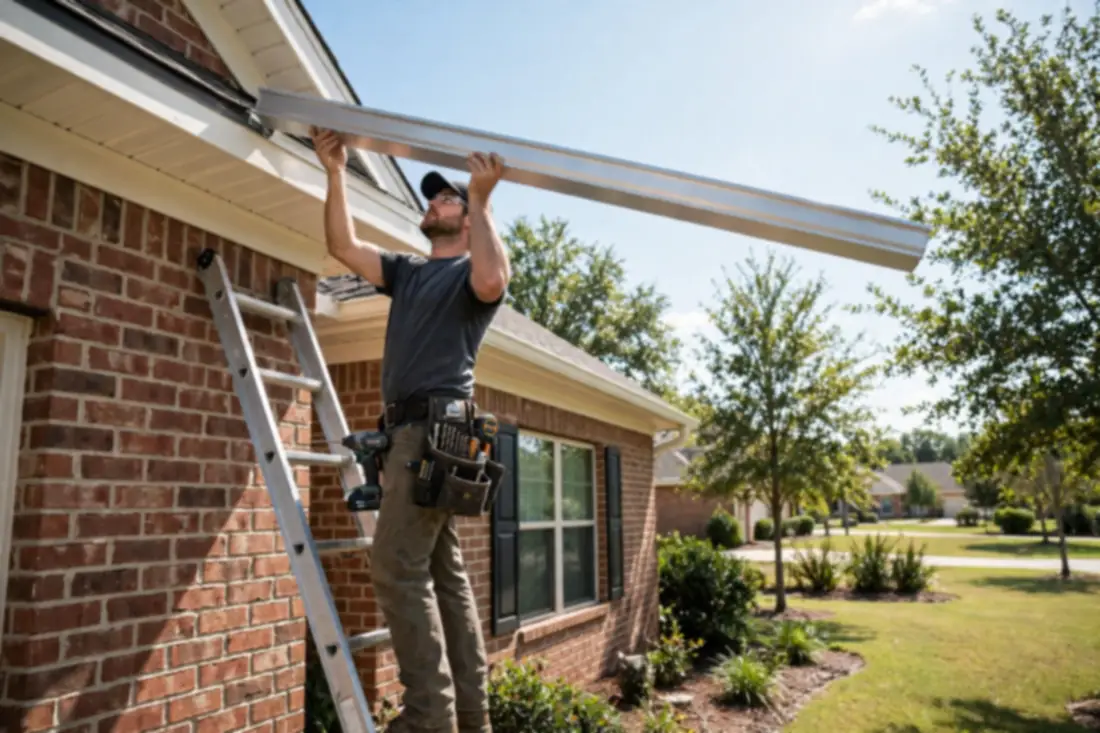
Seamless gutters sized to your roof and Houston's rain rates, pitched to actually drain, hung on sound fascia, and discharged well away from the foundation.
Explore Gutter Installation →The shingle surface slope by slope; every penetration and flashing detail; valleys, ridge, and drip edge; gutter condition; and, from the attic, deck moisture evidence and ventilation. The result is a written, photographed report with a remaining-life estimate.
The deliverable. An inspection produces a document — findings, photographs, priorities — that you own and can act on with anyone. If a visit produces only a pitch, it was not an inspection.
It is among the highest-value documents in the transaction: the roof is the largest near-term maintenance number in most homes, and its real condition is only readable from on top of it and under it.
Every two to three years in its first decade, annually once it passes fifteen years, and after any major storm at any age. Heat and storm clusters here age roofs faster than the calendar suggests.
Yes — with the evidence attached: slope findings, attic results, and the reasoning. A sound roof hears 'maintain'; a spent one hears 'plan' — and either verdict arrives as a reading, not a sales line.
Mon–Fri 7 AM–10 PM · Sat 8 AM–10 PM · Sun 7 AM–9 PM Central. One call connects you with a local roofing professional.