Canopy shade roofs
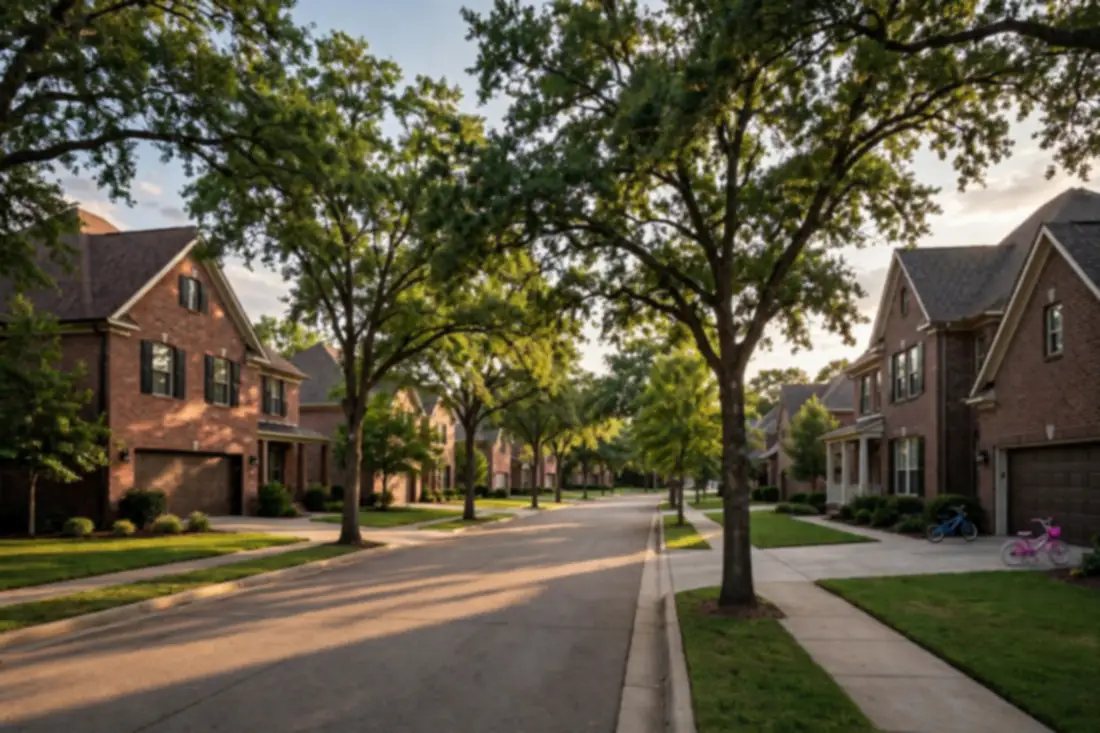
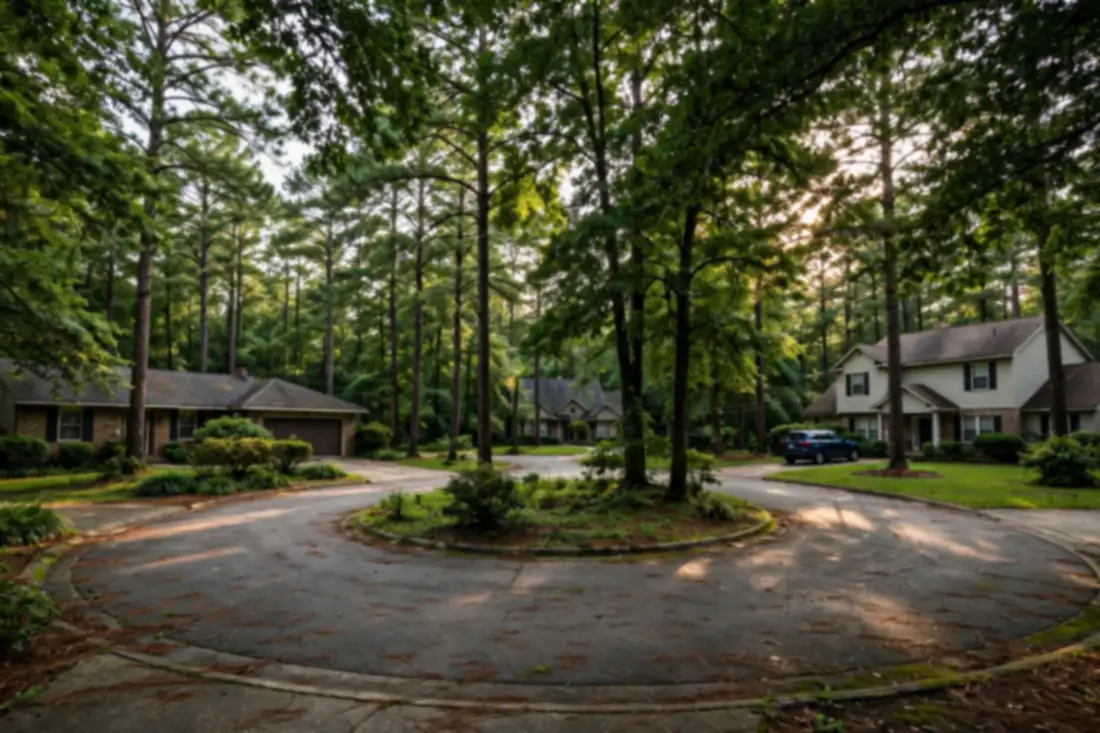
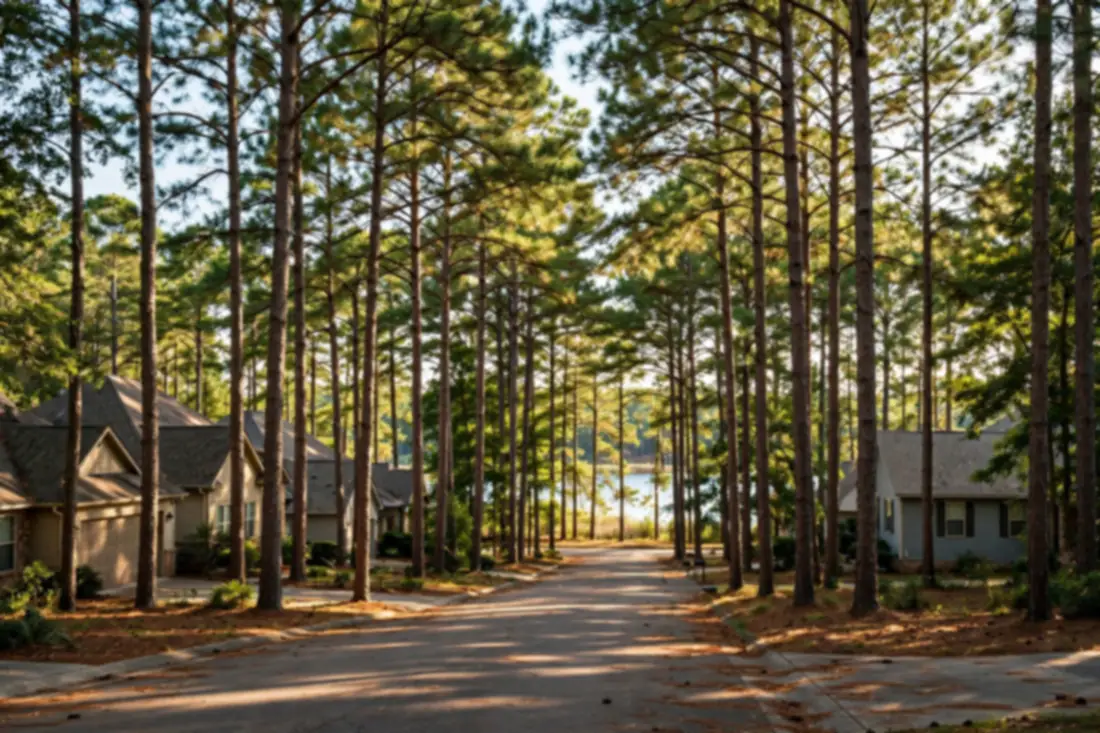
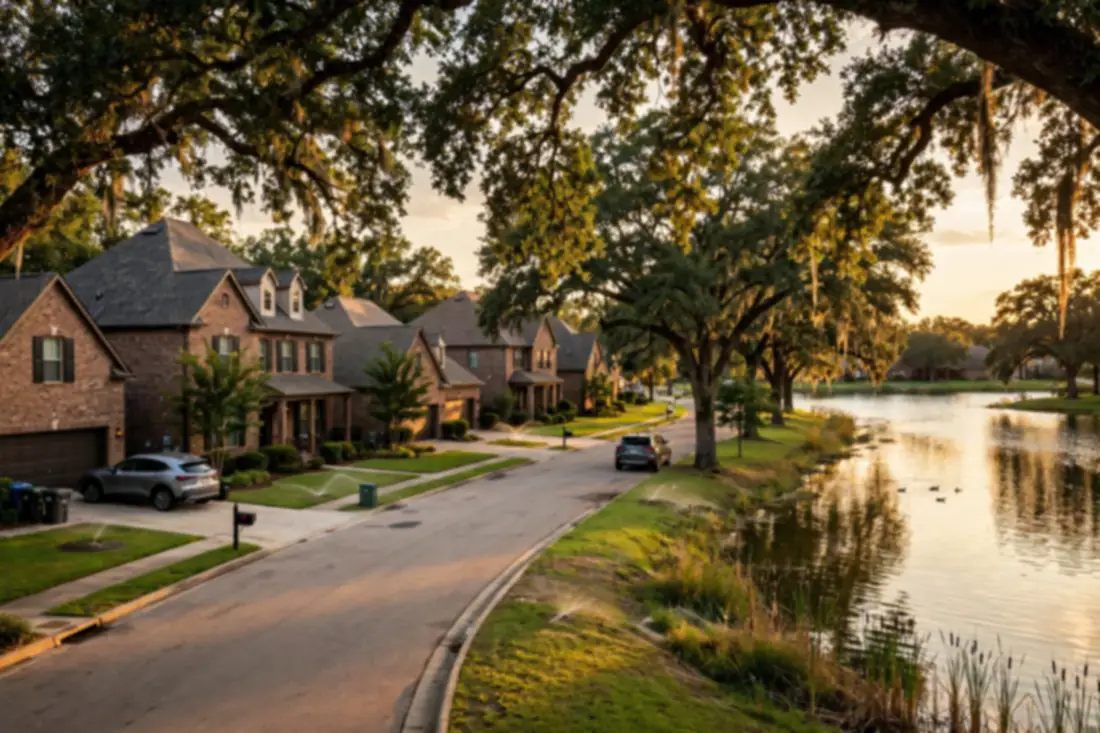
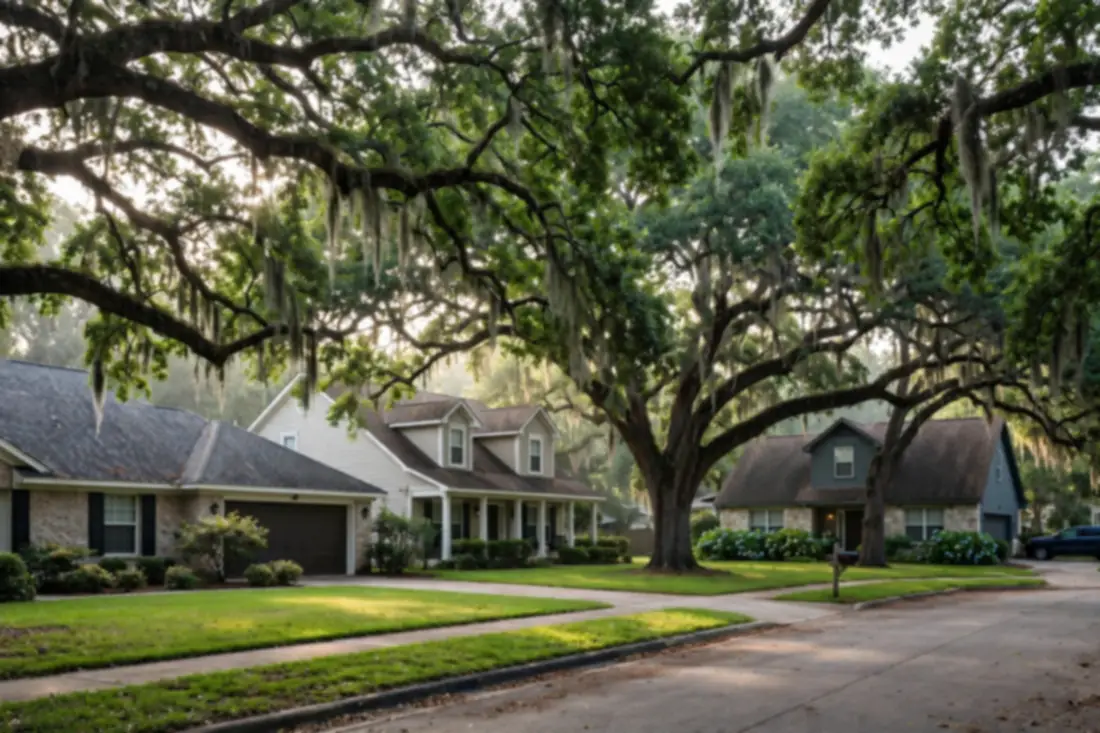
Under Sugar Creek and First Colony oaks, shaded slopes hold moisture and grow algae. Algae-resistant shingles and valley-clearing rhythms are standing answers here.
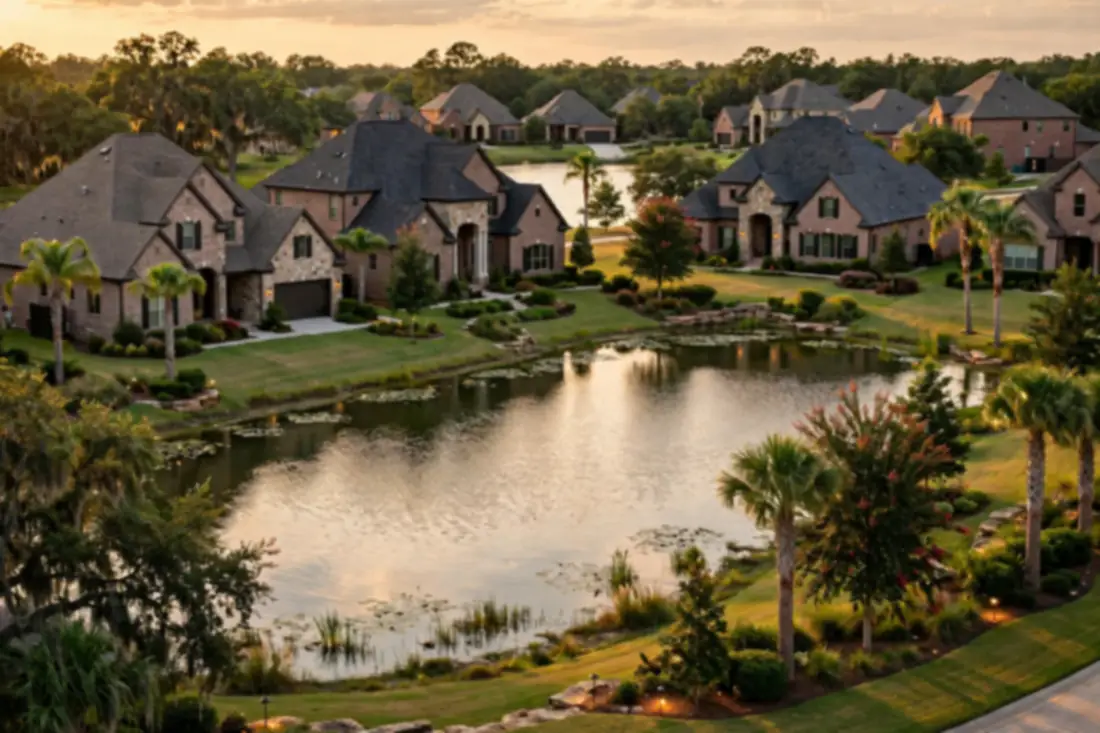
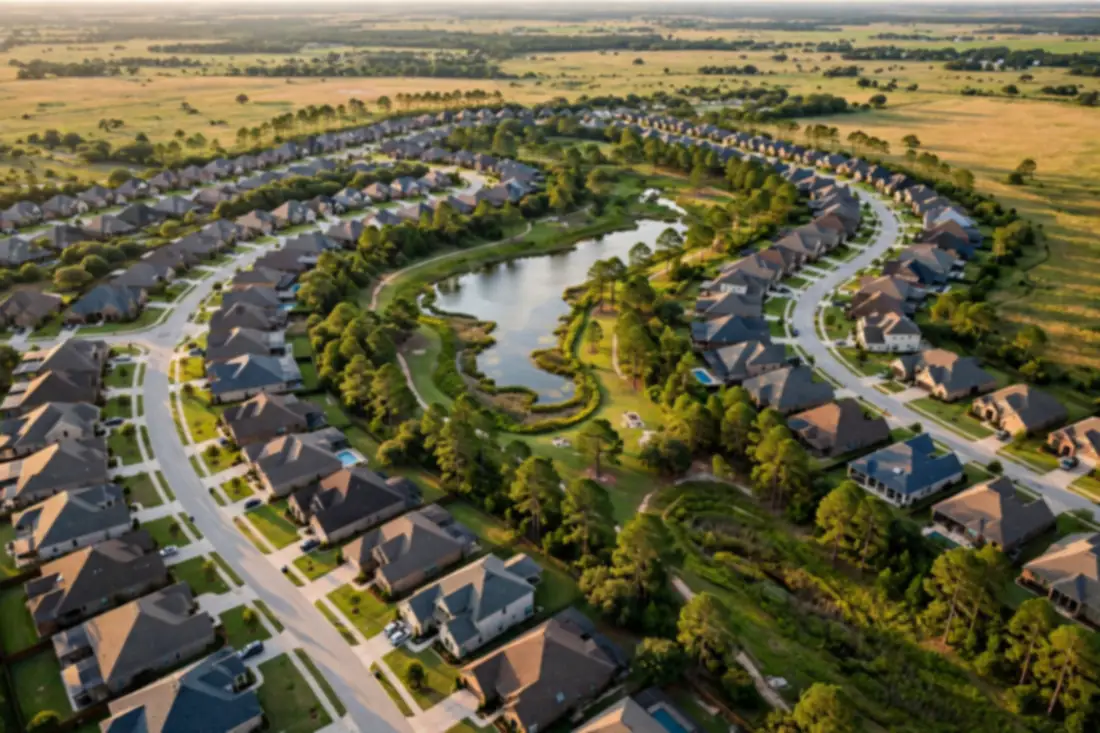
Large fields under oak canopy, 1980s–2000s master-planned homes. Algae-geography readings and wave-generation replacements.
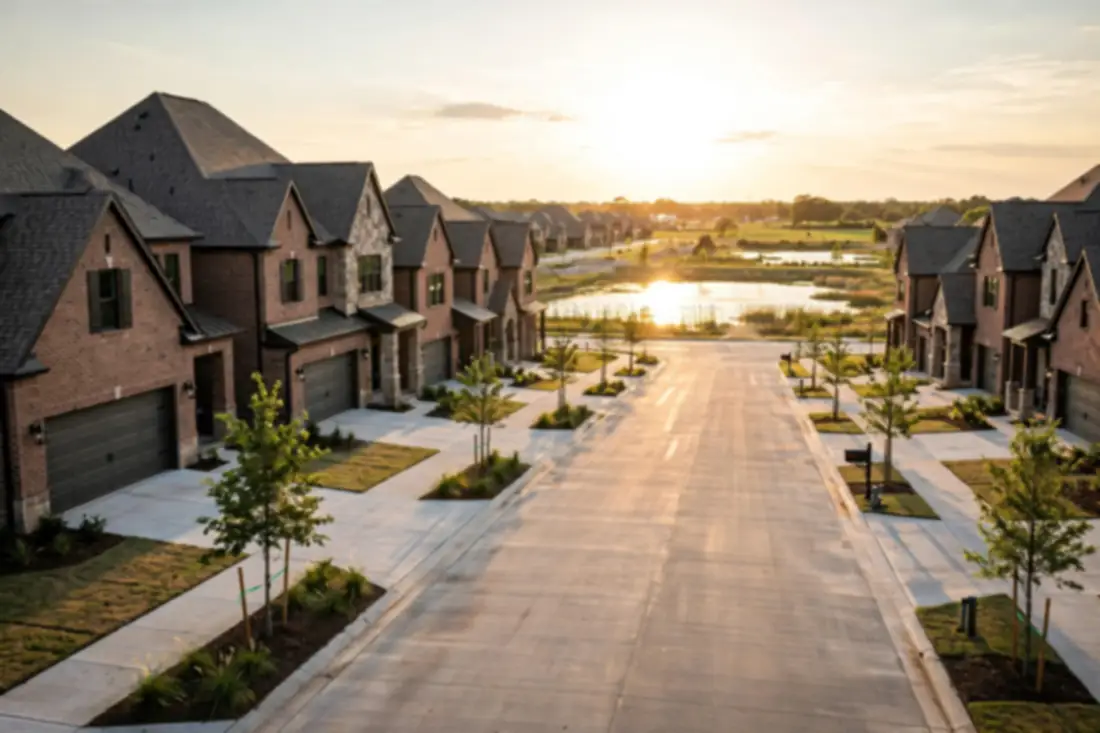
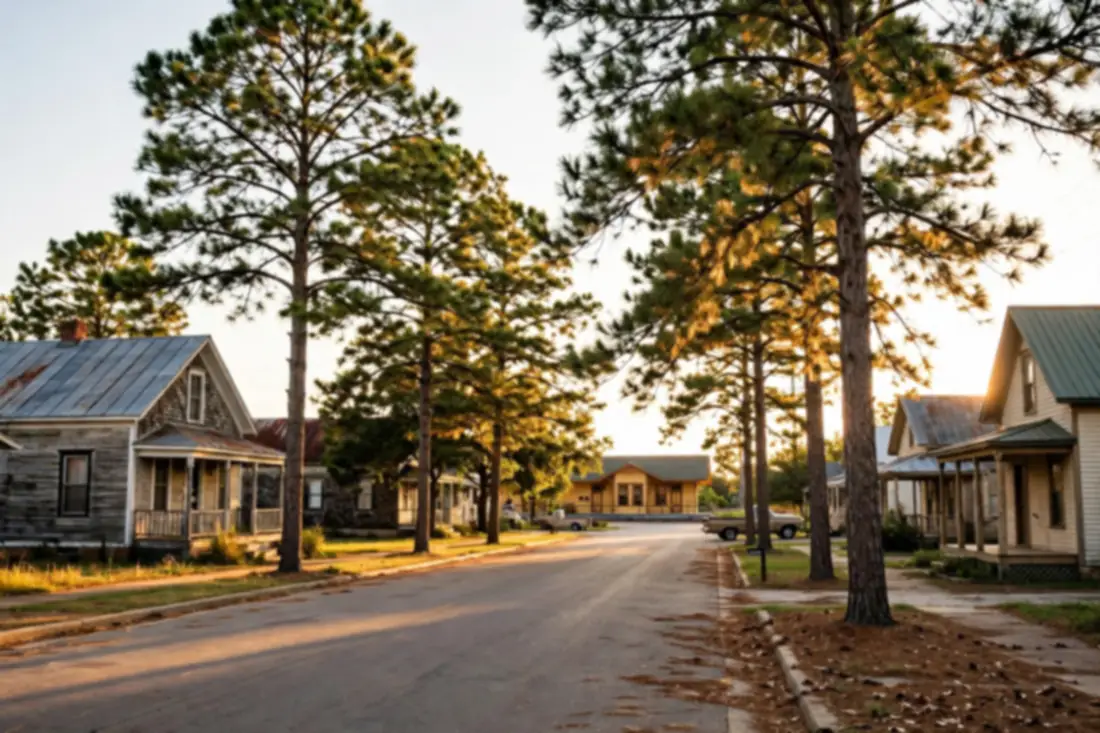
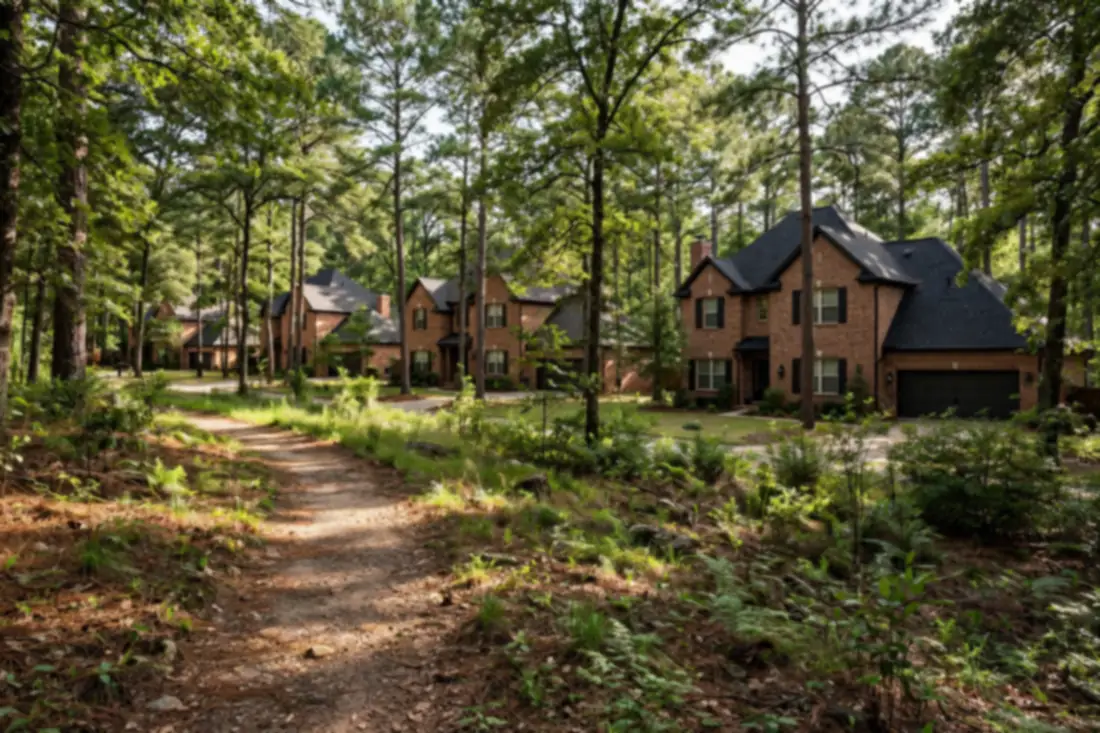
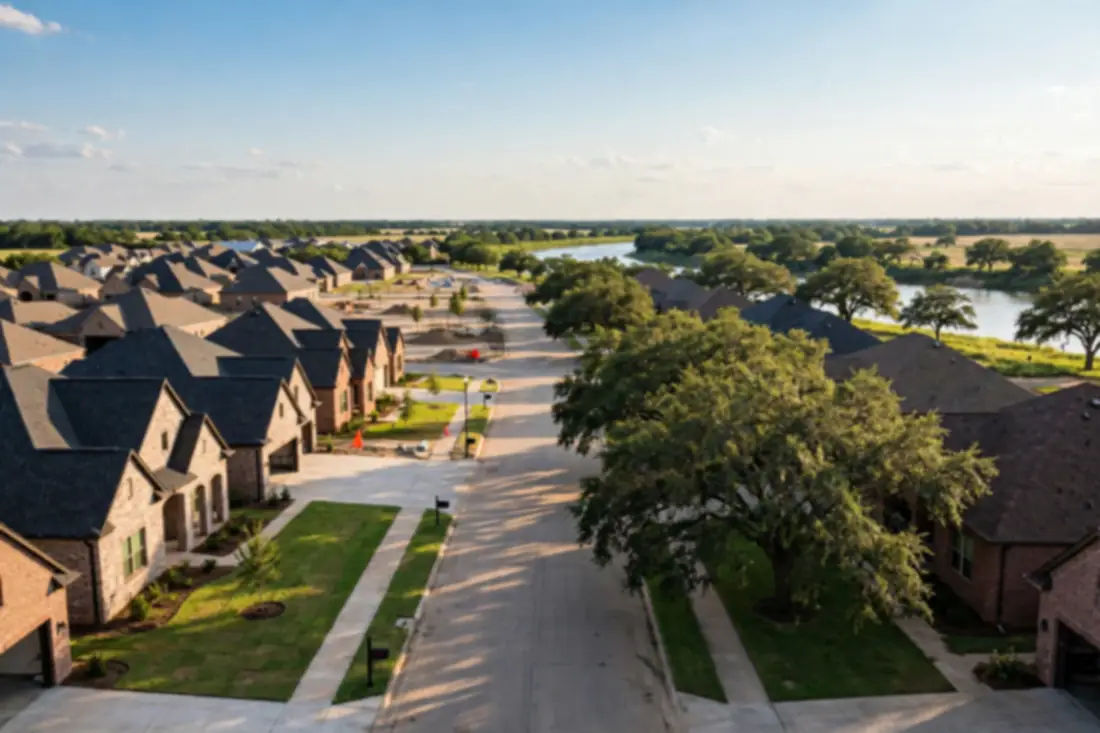
Sugar Land grew from a company town around the Imperial Sugar refinery into Fort Bend County's flagship suburb — and its roofs tell that story in layers. Sugar Creek and the older sections near the old refinery carry established homes under heavy oak canopy. First Colony, the master-planned giant, rolled out across the 1980s and 1990s in brick subdivisions now mature in every sense. Telfair and Riverstone, the newest generation, carry the steep, complex roofs of modern Texas luxury building. One city's roofs, three distinct eras of them.
The roofing agenda here follows the eras: replacement planning across First Colony's mature stock, detail maintenance under Sugar Creek's canopy, and storm-hardening attention on the big exposed fields of the newest sections. Sugar Land's five covered ZIP codes — 77478, 77479, 77487, 77496, and 77498 — are all served through one call to Houston Roofing Help.
Neighborhoods: First Colony, Telfair, New Territory, Greatwood, Sugar Creek, Riverstone, Sweetwater, Commonwealth, Avalon, Sugar Mill — and every street in the covered ZIP codes.
Under Sugar Creek and First Colony oaks, shaded slopes hold moisture and grow algae. Algae-resistant shingles and valley-clearing rhythms are standing answers here.
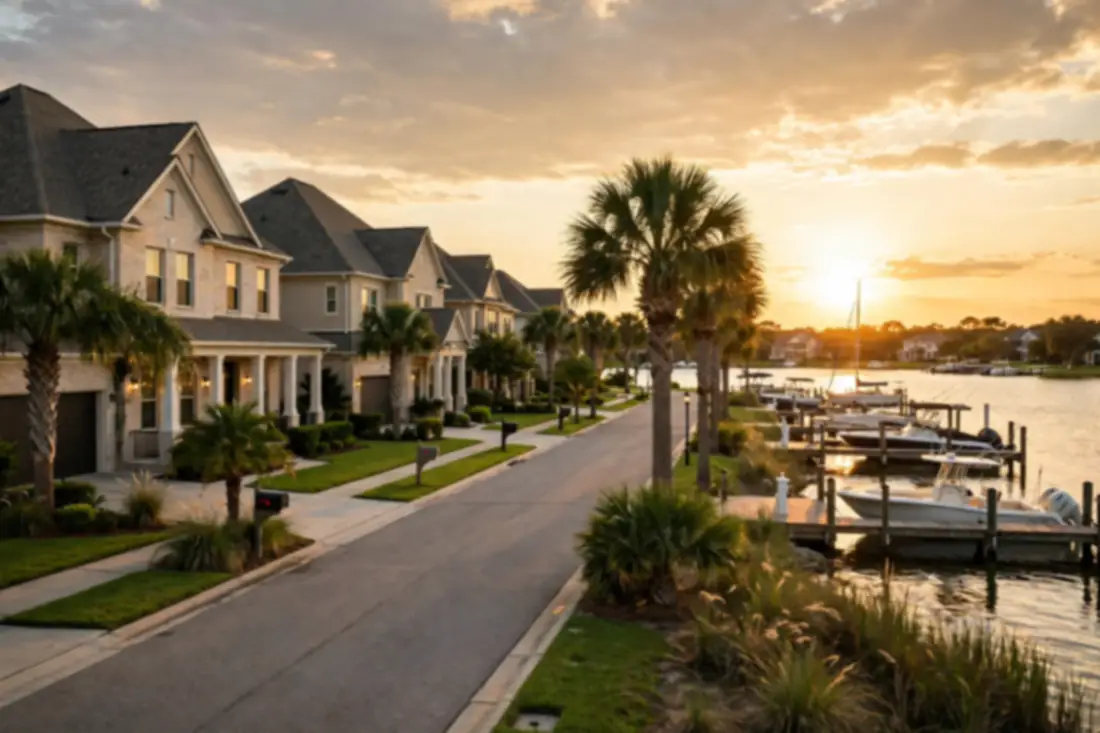
Waterfront and greenbelt lots collect wind-blown debris in their valleys from every direction. Gutter and valley capacity on these homes works a double shift.
Built in waves through the eighties and nineties, First Colony's sections age as cohorts — the street-level predictability Katy shows, in Fort Bend form.
Sugar Land's communities carry active associations with material and color rules for visible roofs. Scopes here confirm the rules before samples are chosen, not after.
Sugar Land is built around water — community lakes thread through First Colony, New Territory, and Greatwood — and water-adjacent lots grow the metro's most generous tree canopy in return. The roofing consequence is shade geography: north slopes that stay damp and algae-streaked, valleys that collect oak tassels and leaves in spring drifts, and fields whose lower edges age in permanent morning moisture. Sugar Land roofers read the canopy as part of the roof.
The counterpoint is scale. Sugar Land homes run large, and their roofs are correspondingly vast — more square footage, more valleys, more ridge line, more of everything a storm can test. On these fields the difference between a roof maintained as a system and one patched as episodes is measured in whole slopes.

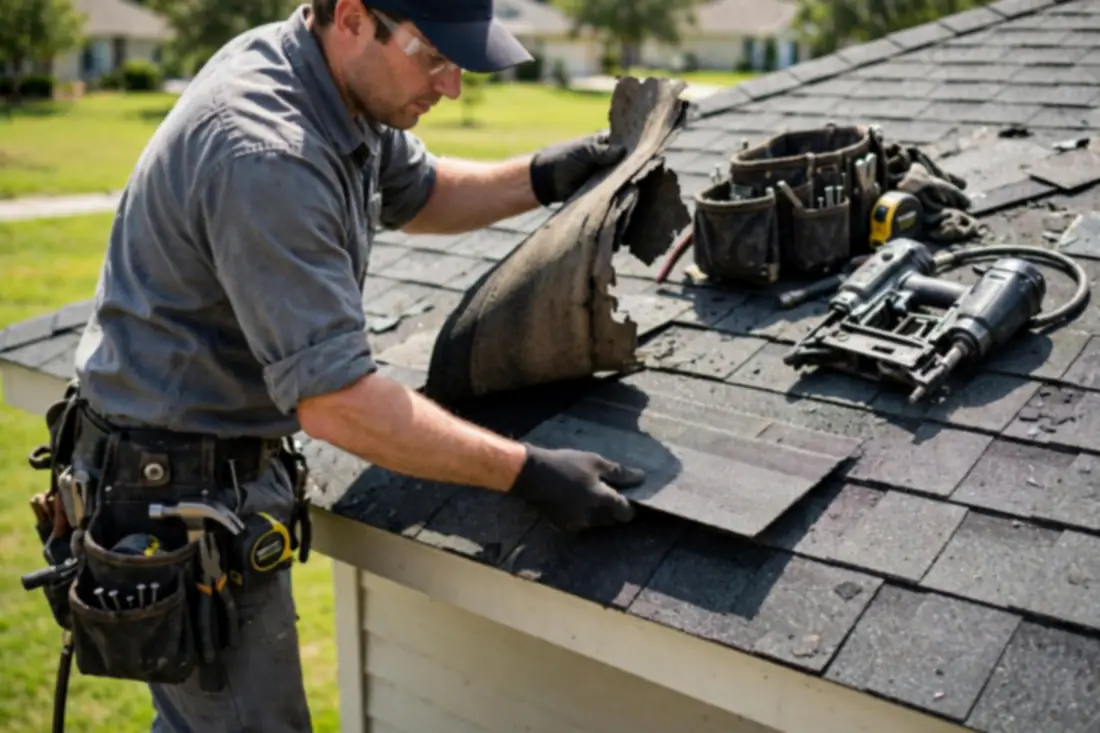
Targeted repairs for the failures Houston roofs actually develop — heat-curled shingles, cracked pipe boots, tired flashing, and storm-lifted edges caught before they reach the ceiling.
Explore Roof Repair →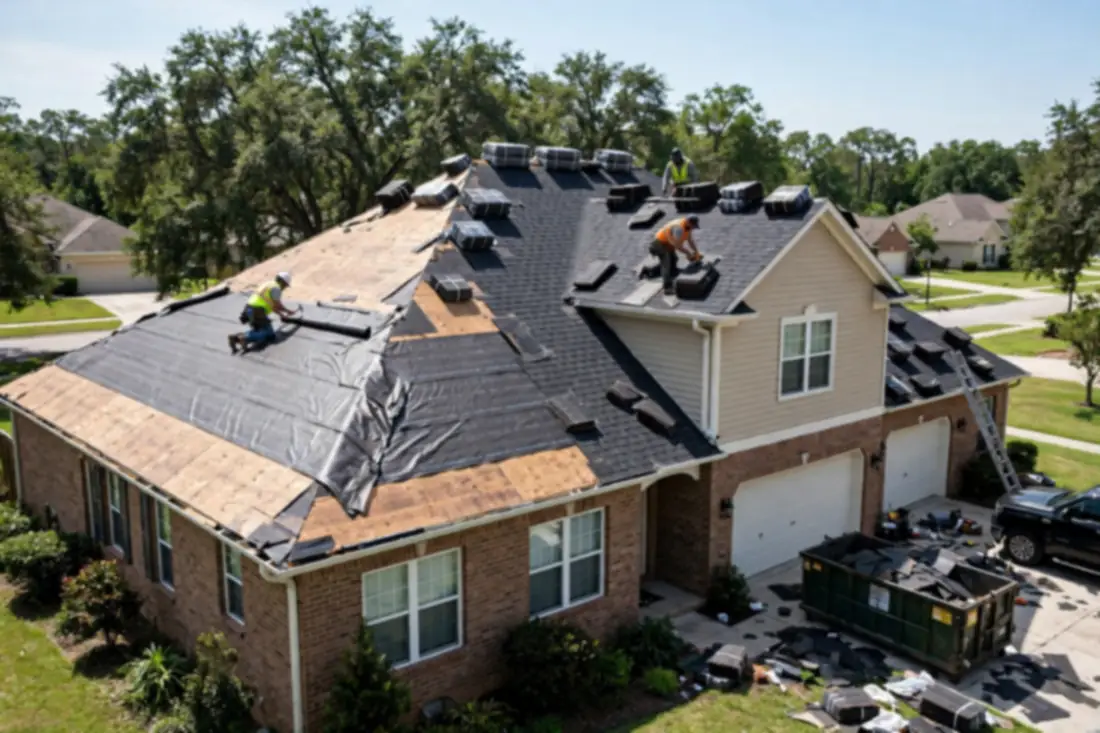
Full tear-off and re-roofing for Houston homes whose shingles have reached the end of their service life — deck inspection, modern underlayment, and a roof built for Gulf storms and Texas heat.
Explore Roof Replacement →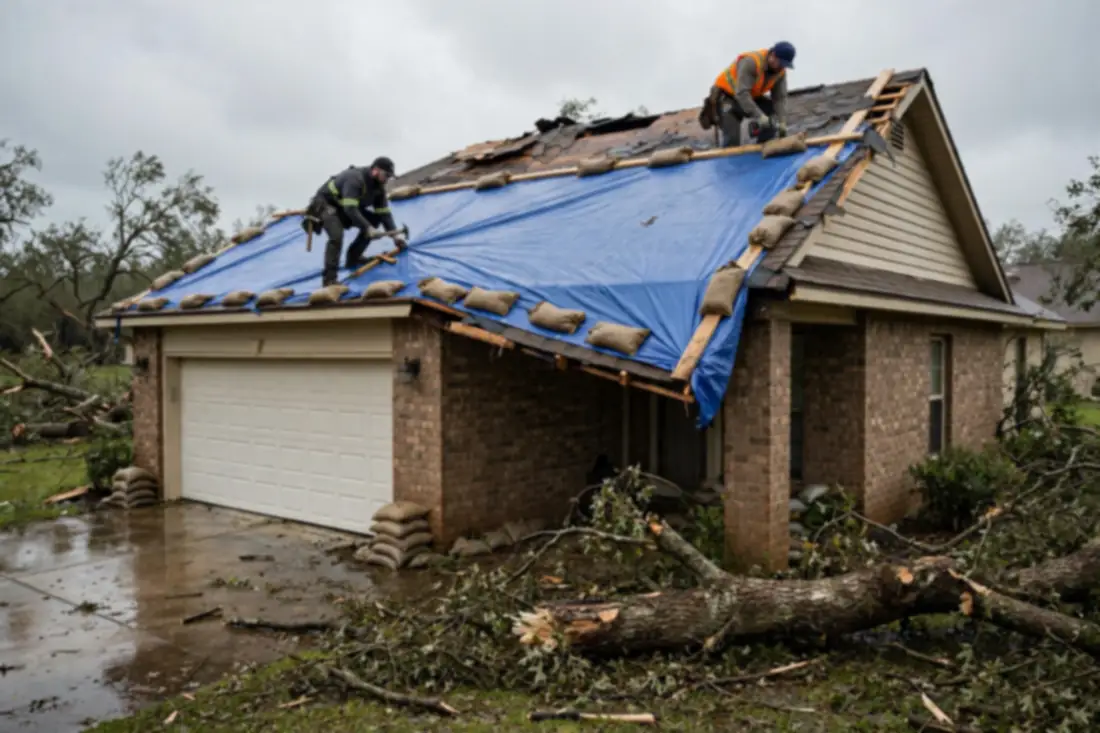
The storm-night service: roofs opened by wind, limbs, or sudden leaks made weather-tight fast — tarping, temporary sealing, and the permanent repair that follows.
Explore Emergency Roof Repair →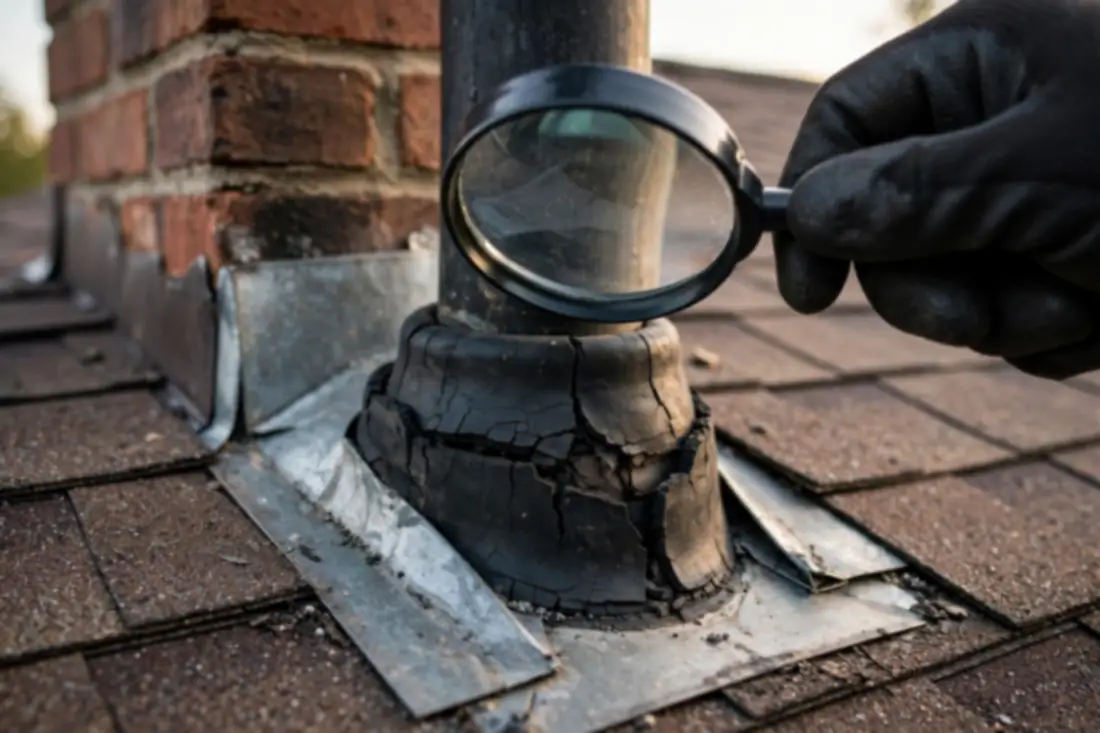
Attic-first leak detection for Houston homes — the stain traced to the failed boot, flashing, or seam above it, then repaired at the source layer, not at the symptom.
Explore Roof Leak Repair →
A full condition reading of your roof — surface, flashing, deck, attic, and ventilation — with photographs, findings by slope, and an honest remaining-life estimate in writing.
Explore Roof Inspection →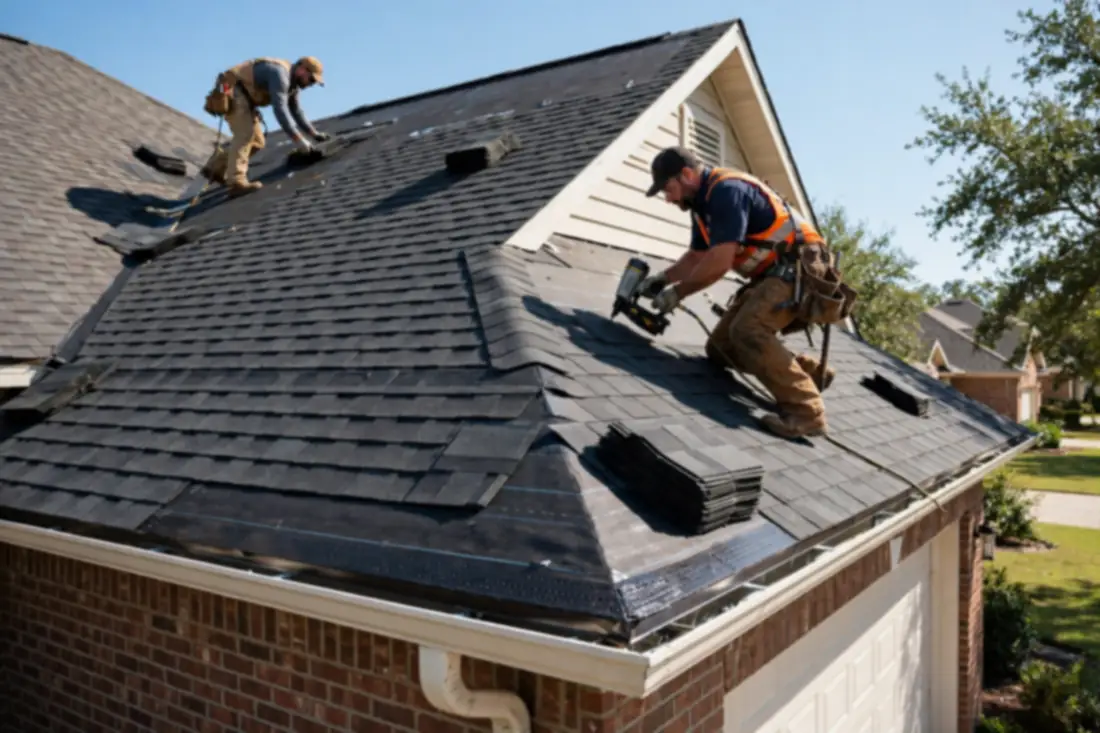
Architectural asphalt shingle roofing installed as a complete system — leak barrier, underlayment, flashing, and ventilation — matched to Houston heat, humidity, and storm wind.
Explore Shingle Roofing →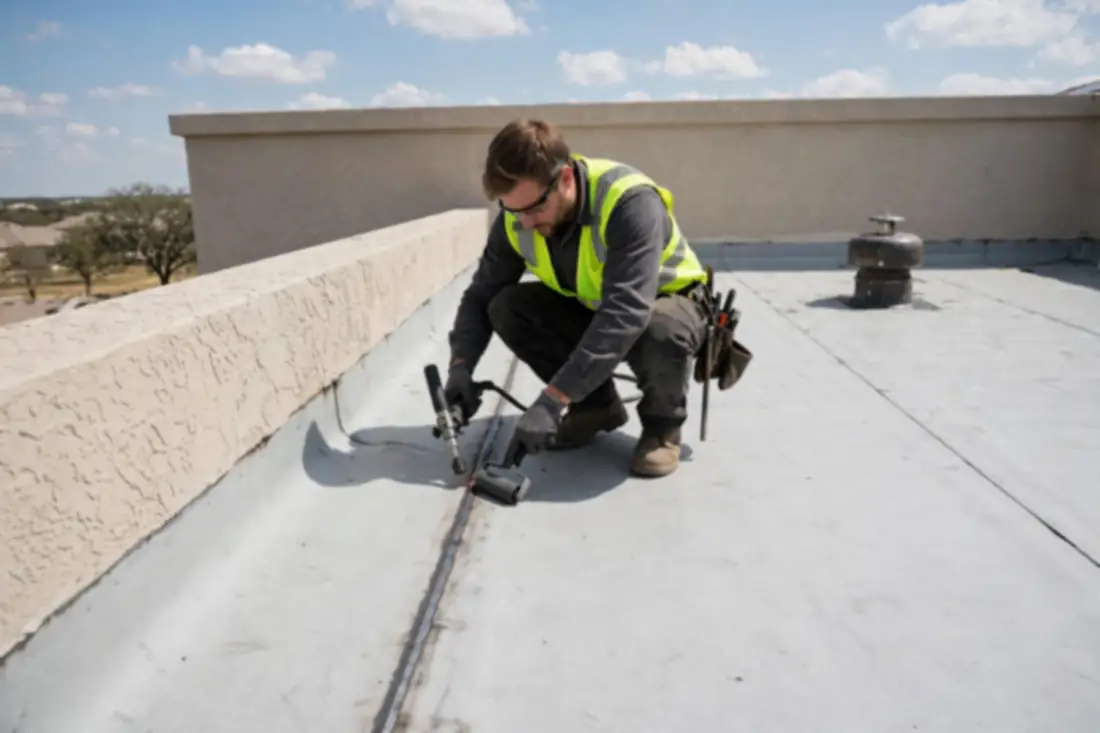
Membrane flat and low-slope roofing for Houston homes and additions — seams, drains, and ponding handled first, because flat roofs live or die by their drainage.
Explore Flat Roofing →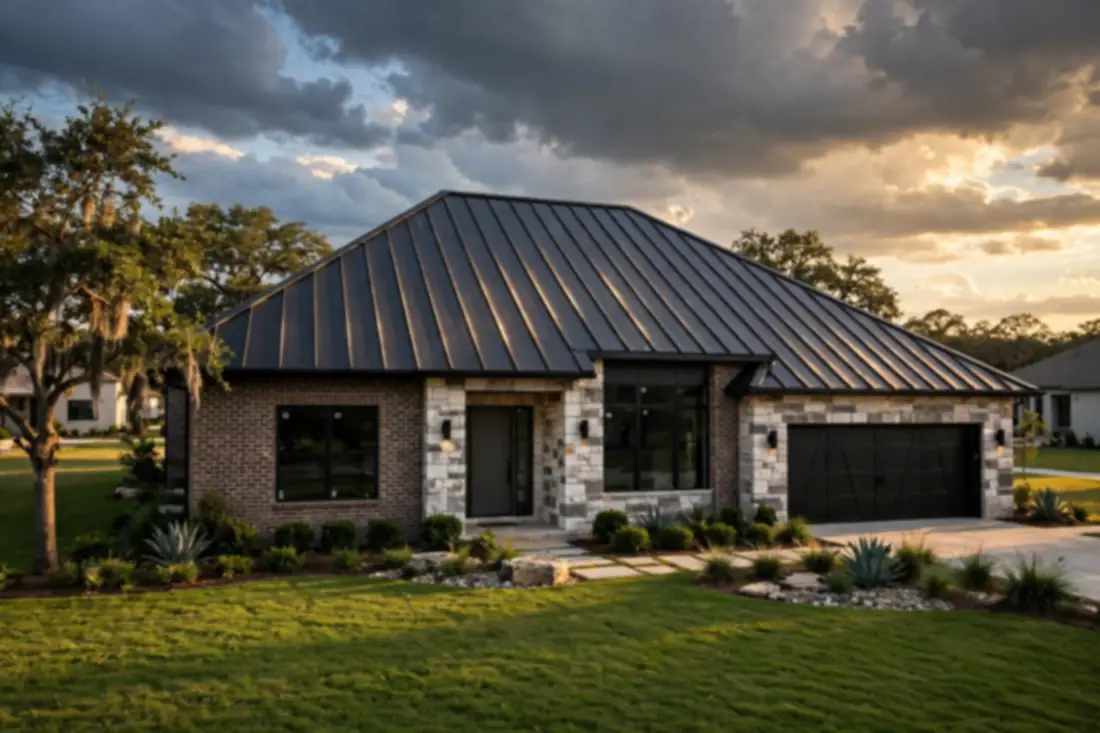
Standing seam and metal shingle roofing for Houston homes — panels detailed for Gulf wind, summer heat reflection, and decades of service with minimal upkeep.
Explore Metal Roofing →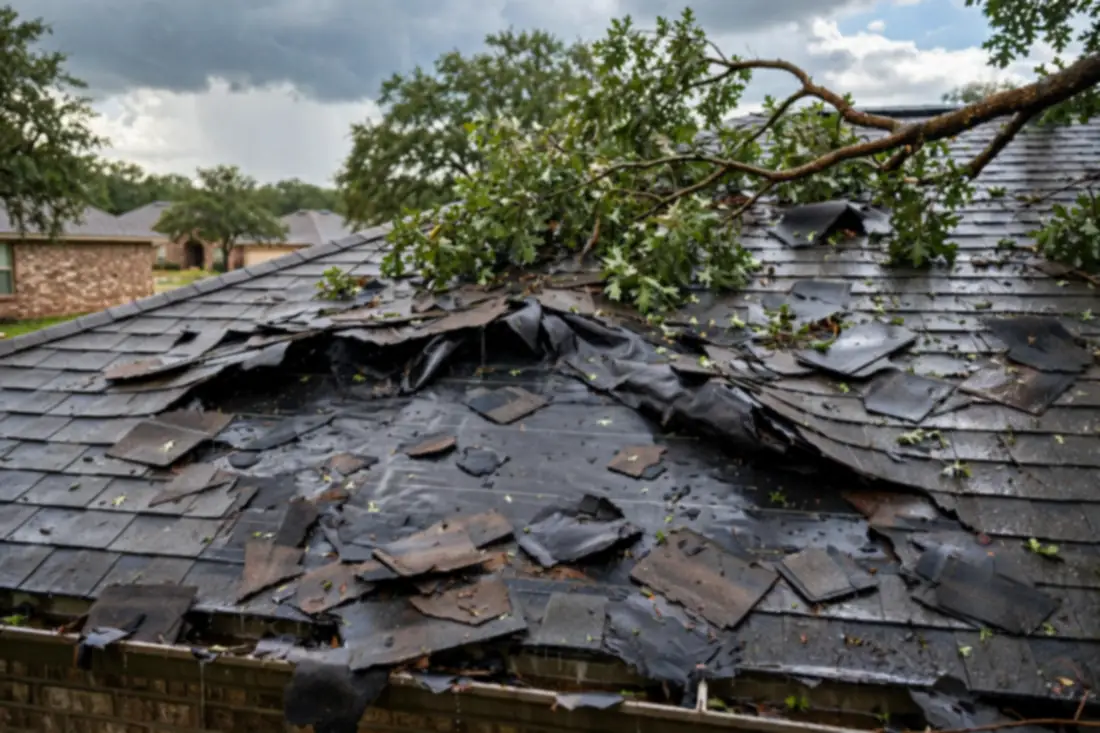
After the wind: storm-torn shingles, limb punctures, and lifted seals across Houston documented properly, stabilized, and repaired as a system — not just the hole you can see.
Explore Storm Damage Roof Repair →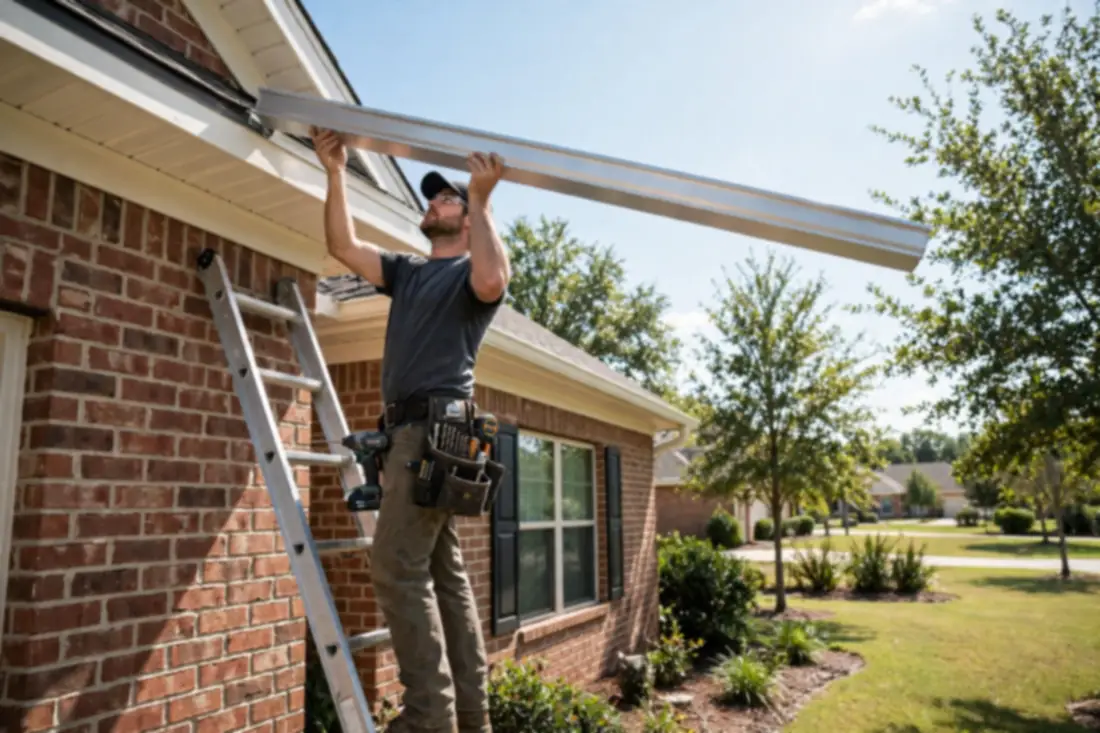
Seamless gutters sized to your roof and Houston's rain rates, pitched to actually drain, hung on sound fascia, and discharged well away from the foundation.
Explore Gutter Installation →Tell us what you are seeing — a leak, storm damage, an aging roof, a deadline. Your ZIP code confirms coverage and your description loads the right visit.
A local roofing professional reads the roof and the attic, photographs the findings, and explains them in plain language.
The work is set out in writing before it begins: what will be done, with what materials, and what happens if the deck holds surprises.
The project is completed as scoped, walked through with you, and documented for your home records.
The streaks themselves are algae — cosmetic, not a leak. But they map where moisture lingers, and the details in those zones age fastest. An inspection separates the cosmetic story from the condition story and dates both.
Often, yes — many Sugar Land communities specify shingle lines, weights, or colors. The professional who scopes your roof confirms the association's requirements as part of the written scope, before materials are chosen.
Five: 77478, 77479, 77487, 77496, and 77498 — First Colony, Telfair, New Territory, Greatwood, Sugar Creek, Riverstone, and the rest of the city.
More planes, more valleys, more ridge — the reading simply takes longer and is recorded slope by slope, because on a large roof the slopes genuinely age at different speeds.
Yes — gutters are the roof's drainage handoff, and on Sugar Land's canopy lots the two are one conversation: valleys, channels, and discharge read as a single water system.
Mon–Fri 7 AM–10 PM · Sat 8 AM–10 PM · Sun 7 AM–9 PM Central. Describe the roof; a local professional takes it from there.