Builder detail templates
Pearland's big builders repeated their roof details across thousands of homes. Knowing the template means knowing which boot, valley, and flashing habit presents first — and checking it before it leaks.
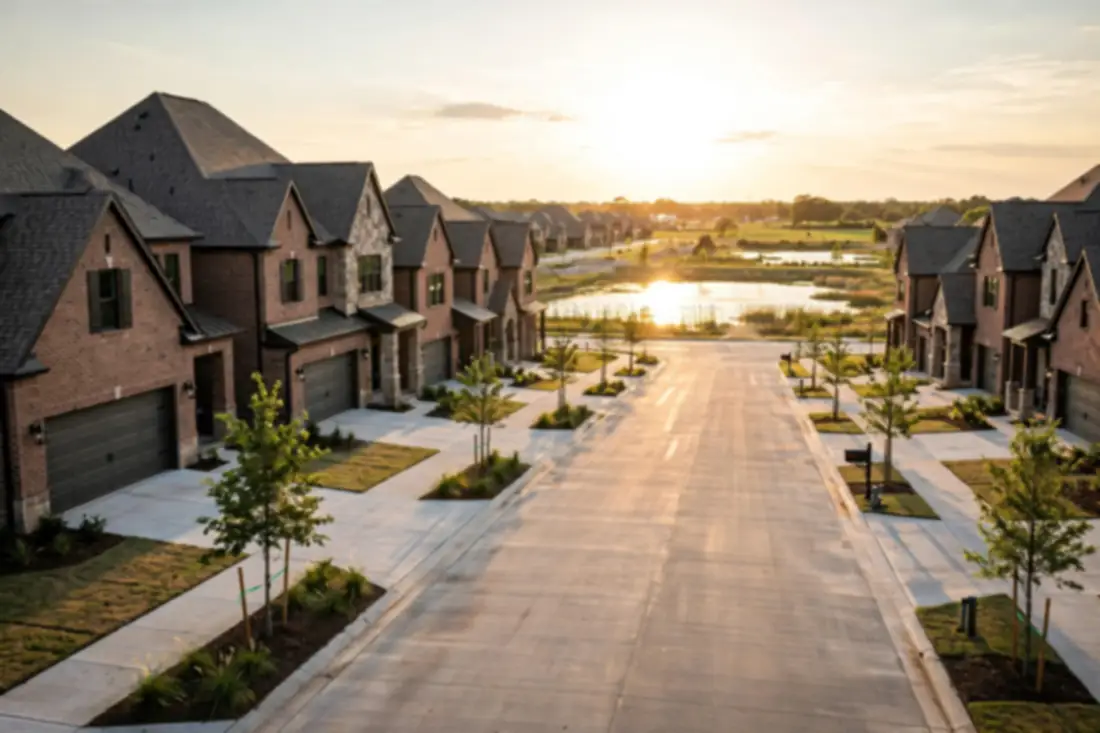
Big production-built fields from the 2000s growth era. First-decade detail renewal — boots, sealant, valleys.
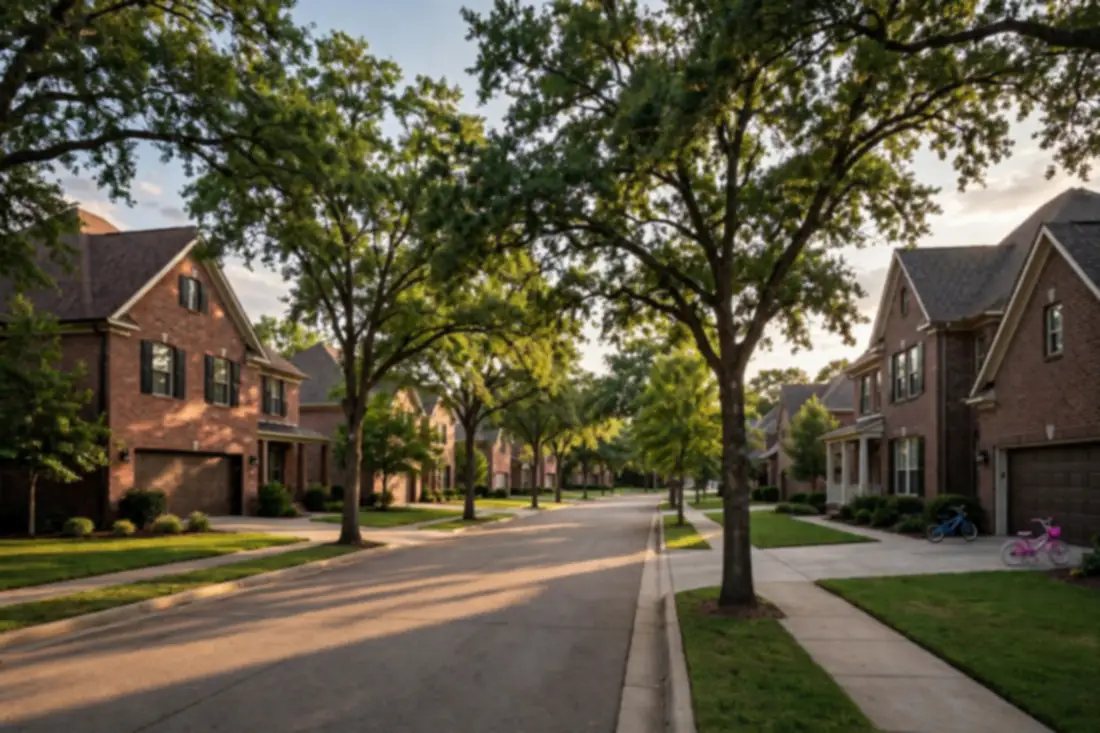
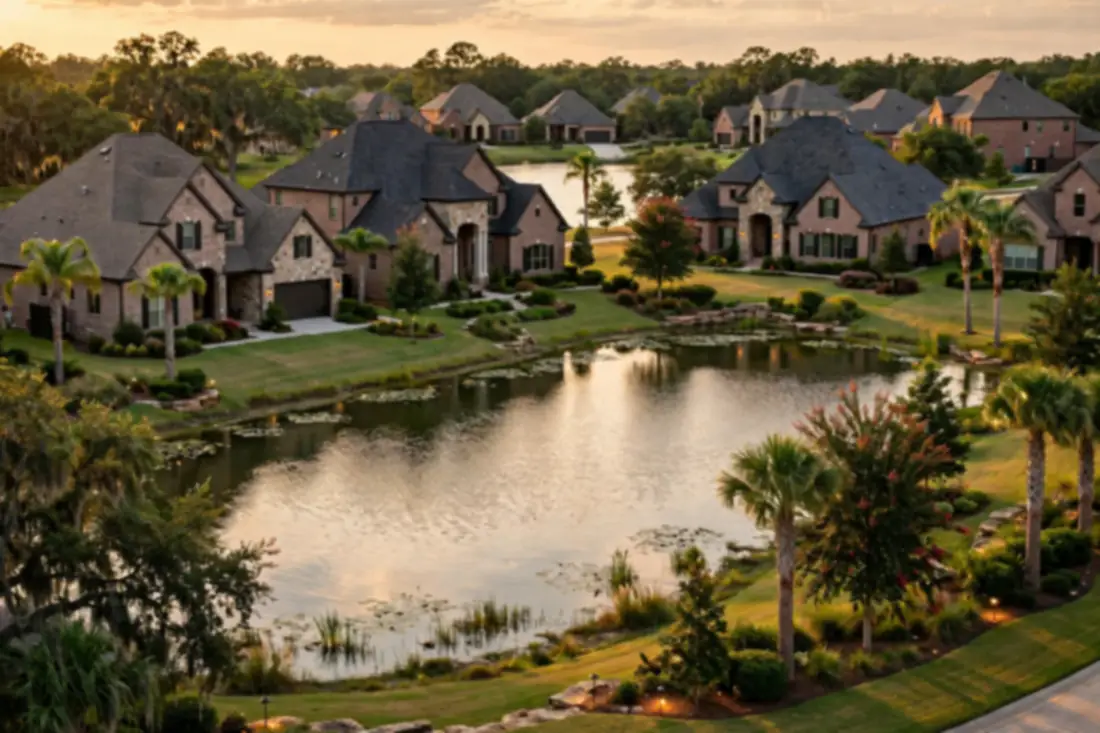
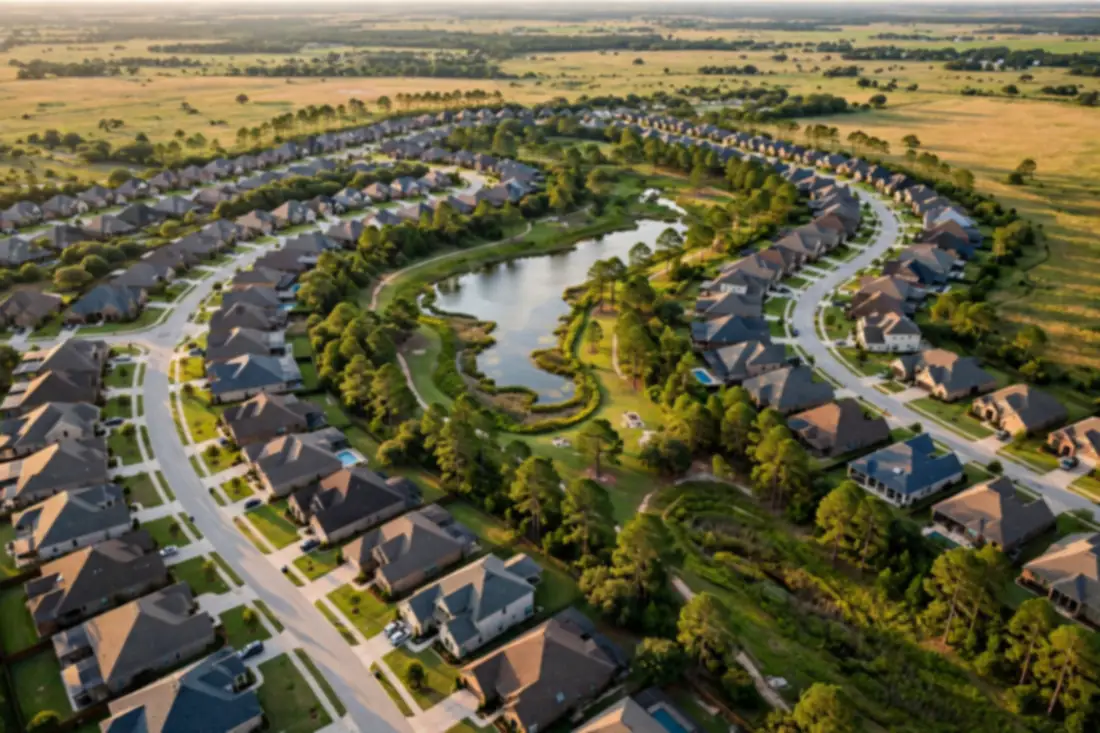
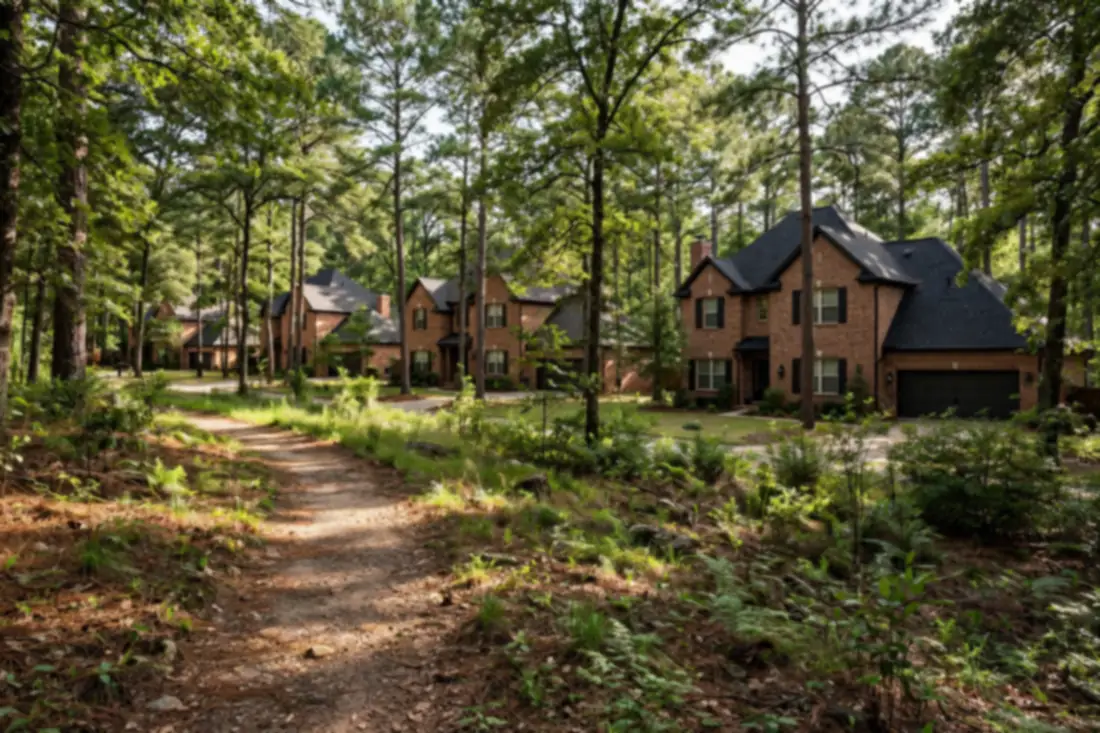
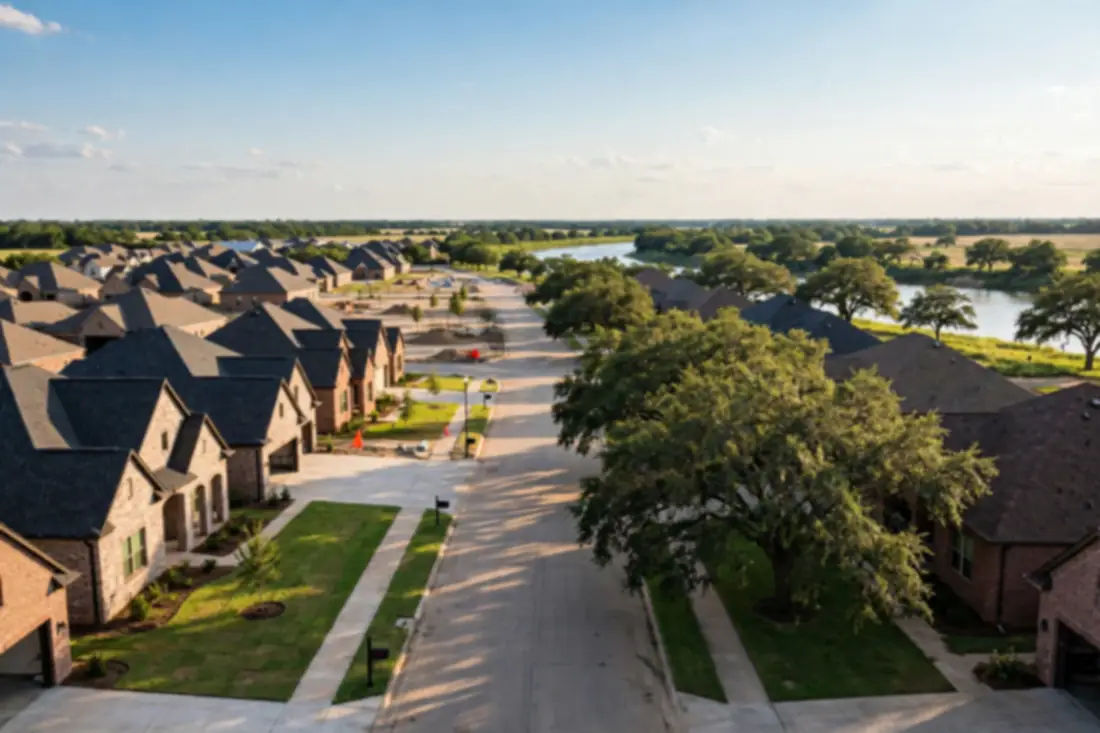
Pearland is the metro's great growth story south of the Beltway — a small farming town that became one of Texas's fastest-growing cities, its fields of pear orchards replaced by master-planned communities at Shadow Creek Ranch, Silverlake, and Southern Trails. The housing is correspondingly young and large: two-story brick homes with steep, complex, detail-dense roofs, built in waves from the early 2000s to today. Old Pearland, along Broadway, keeps the smaller-town stock the growth grew around.
Young suburbs have young-roof problems, and Pearland's are distinctive: builder-grade details arriving at their first maintenance decade together, vast roof fields on the big Shadow Creek homes, and a whole city whose roofs were young enough to be untested until the storm runs of recent years tested them all at once. Pearland's three covered ZIP codes — 77581, 77584, and 77588 — are served through one call to Houston Roofing Help.
Neighborhoods: Shadow Creek Ranch, Silverlake, Silvercreek, Southern Trails, Sunrise Lakes, Lakes of Savannah edge, Old Pearland, Pearland Farms, Country Club Estates, Green Tee Terrace — and every street in the covered ZIP codes.
Pearland's big builders repeated their roof details across thousands of homes. Knowing the template means knowing which boot, valley, and flashing habit presents first — and checking it before it leaks.
Shadow Creek and Silverlake homes carry some of the metro's biggest residential roofs. Scope, crew, and schedule are planned to the field's real size, not a suburb average.
Most Pearland roofs are in the era where small money on details prevents the first leak entirely. Inspections here pay for themselves in avoided ceilings.
Pearland sits open between the prairie and the bay — storm wind arrives with fetch, and the newest sections have the least canopy to break it. Seals and edges are read accordingly.
A production-built roof is a system of compromises made at scale: adequate materials, fast details, and flashing executed to a schedule. For its first decade in the mild years, that is usually fine. Pearland's 2000s and early-2010s sections are now arriving, together, at the age where the compromises present themselves — boots cracking on schedule, sealant at its design limit, valley work showing its pace. This is not failure; it is a generation of roofs entering the maintenance era their builders deferred.
The opportunity inside that timing is real: a suburb whose roofs are young enough that detail renewal — boots as a set, flashing resealed, valleys cleared and checked — restores the whole field's reliability for years, at the moment when doing it as a planned set is simplest. Pearland's inspection wave is, in that sense, the most timely in the metro.
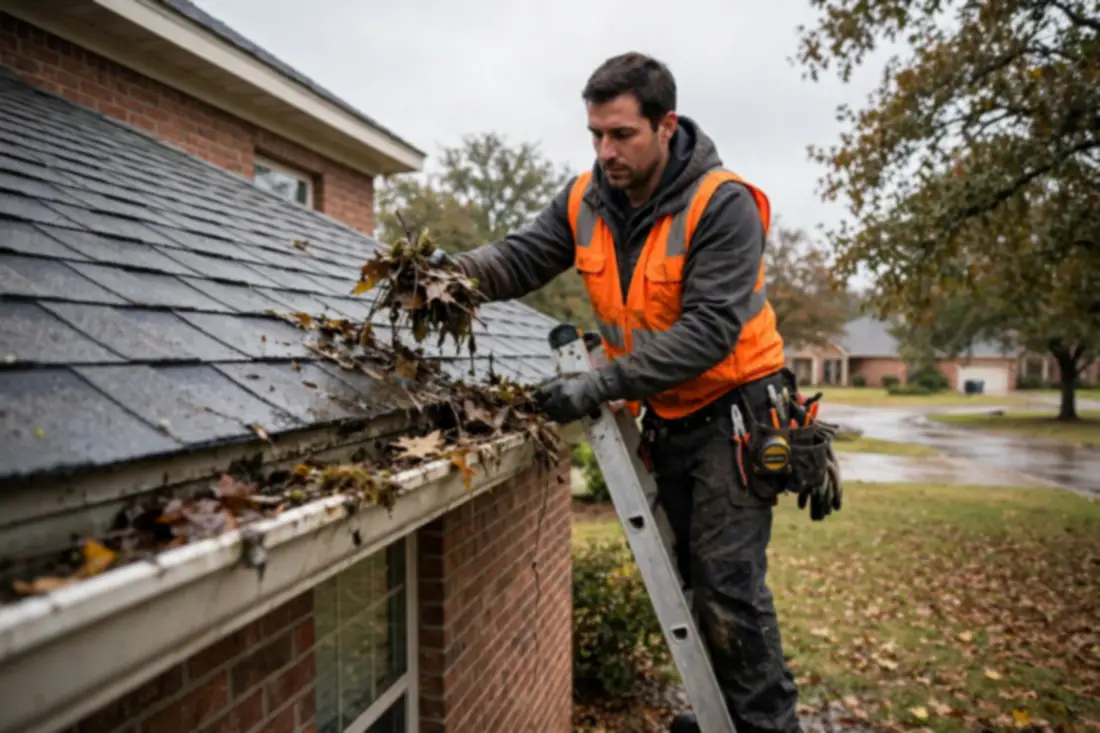
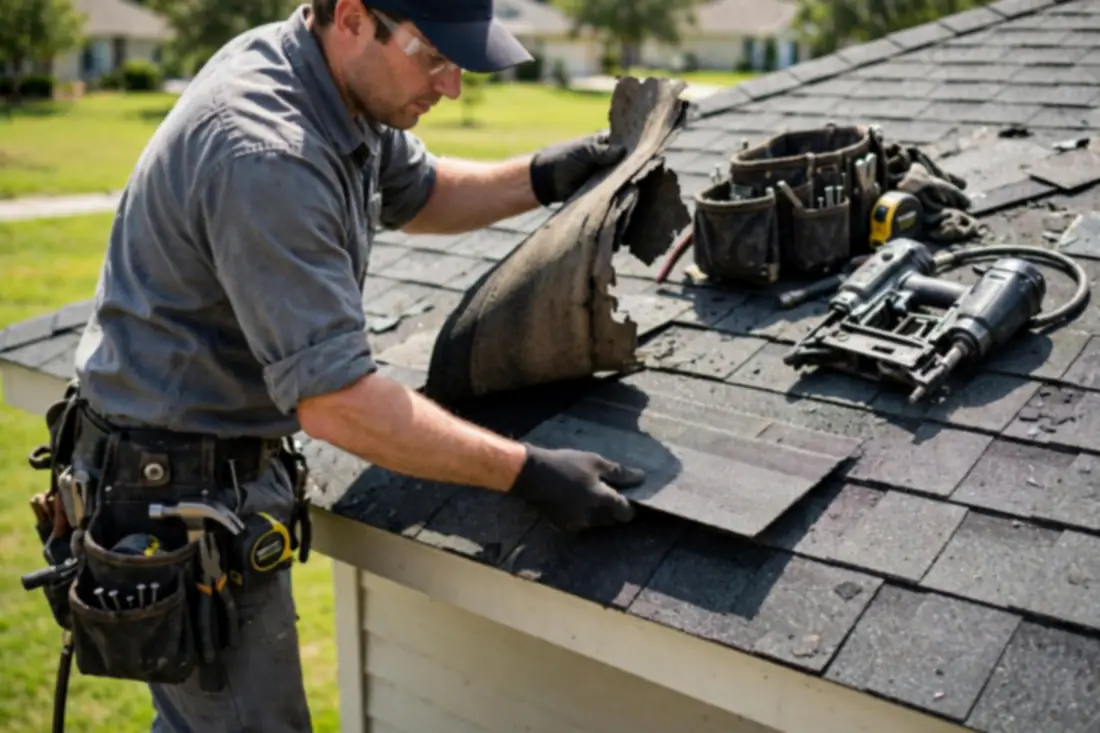
Targeted repairs for the failures Houston roofs actually develop — heat-curled shingles, cracked pipe boots, tired flashing, and storm-lifted edges caught before they reach the ceiling.
Explore Roof Repair →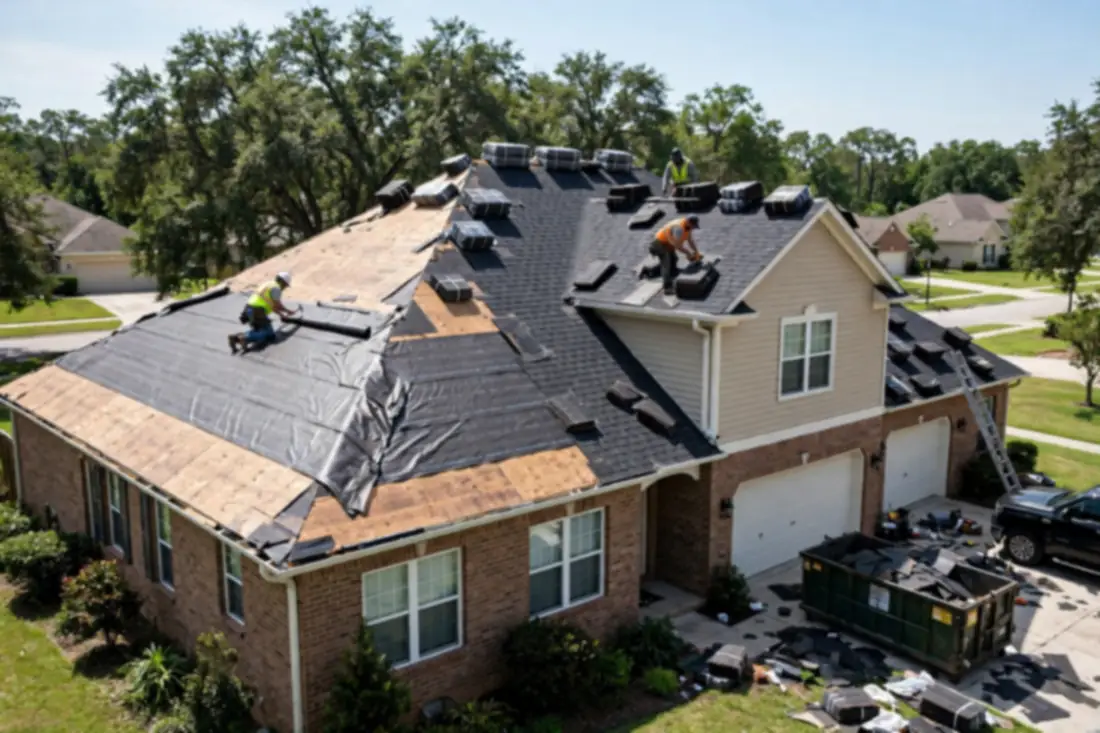
Full tear-off and re-roofing for Houston homes whose shingles have reached the end of their service life — deck inspection, modern underlayment, and a roof built for Gulf storms and Texas heat.
Explore Roof Replacement →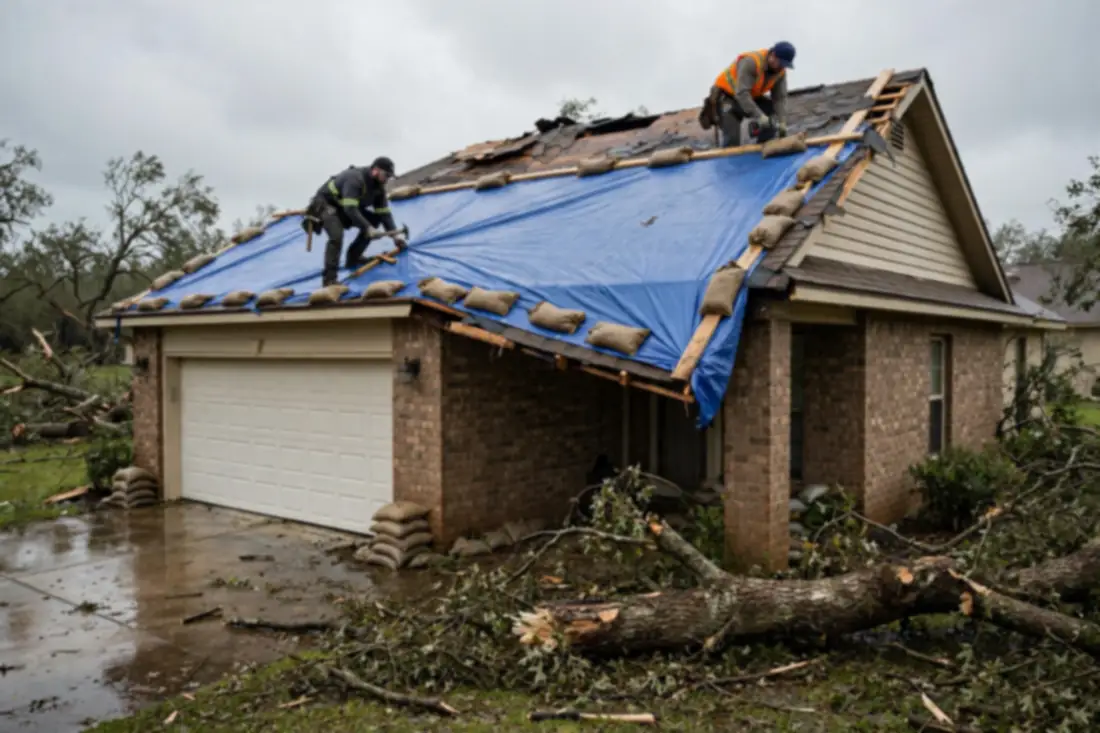
The storm-night service: roofs opened by wind, limbs, or sudden leaks made weather-tight fast — tarping, temporary sealing, and the permanent repair that follows.
Explore Emergency Roof Repair →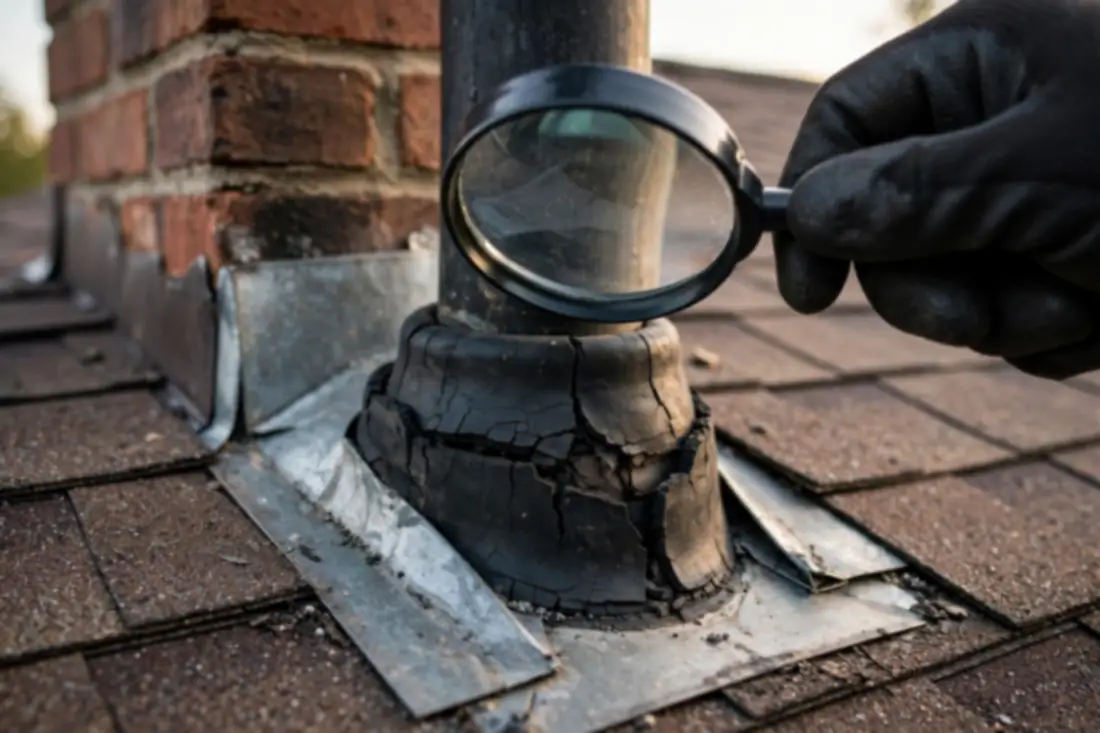
Attic-first leak detection for Houston homes — the stain traced to the failed boot, flashing, or seam above it, then repaired at the source layer, not at the symptom.
Explore Roof Leak Repair →
A full condition reading of your roof — surface, flashing, deck, attic, and ventilation — with photographs, findings by slope, and an honest remaining-life estimate in writing.
Explore Roof Inspection →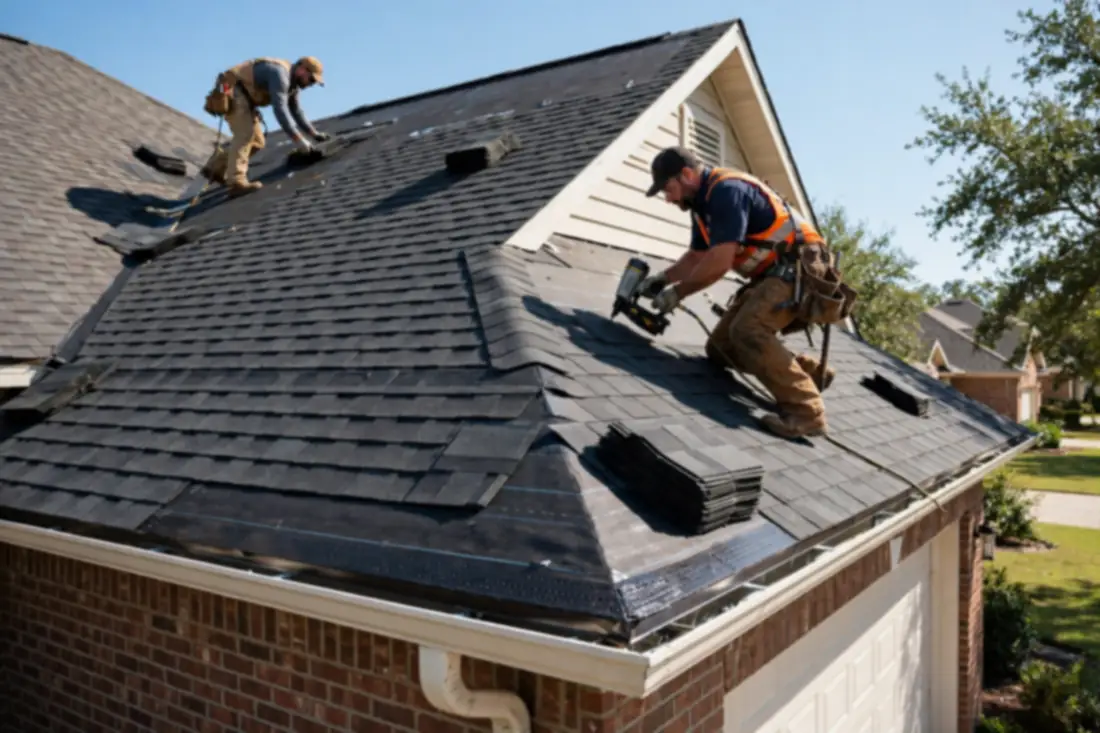
Architectural asphalt shingle roofing installed as a complete system — leak barrier, underlayment, flashing, and ventilation — matched to Houston heat, humidity, and storm wind.
Explore Shingle Roofing →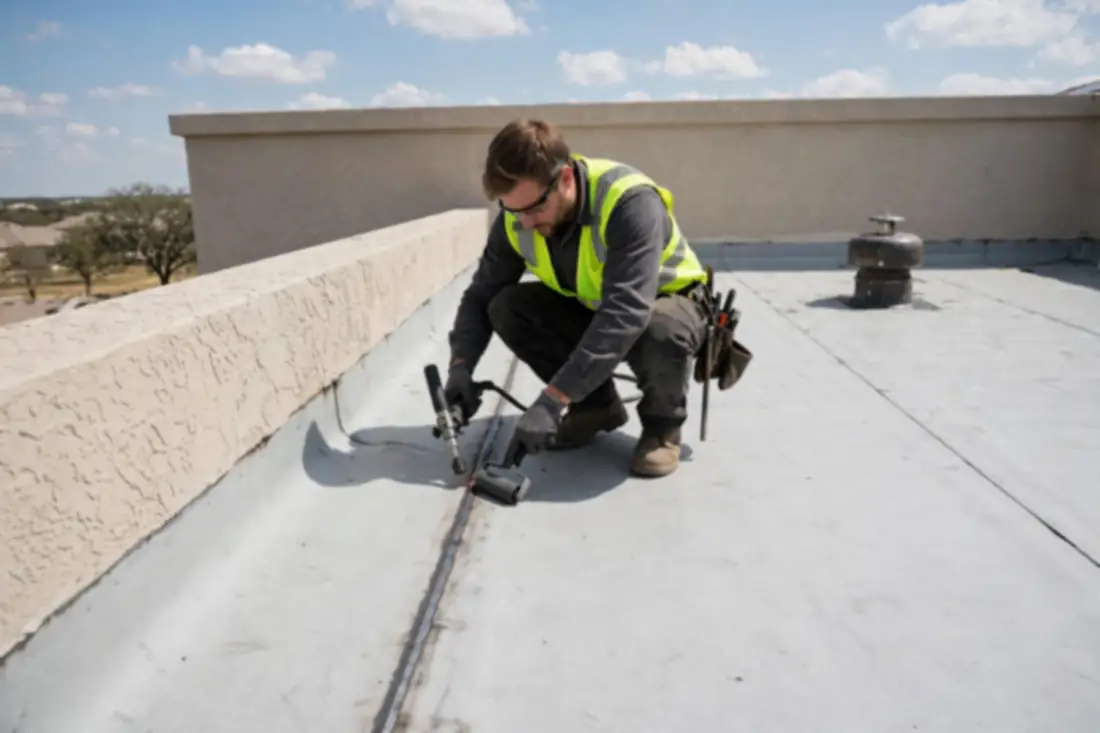
Membrane flat and low-slope roofing for Houston homes and additions — seams, drains, and ponding handled first, because flat roofs live or die by their drainage.
Explore Flat Roofing →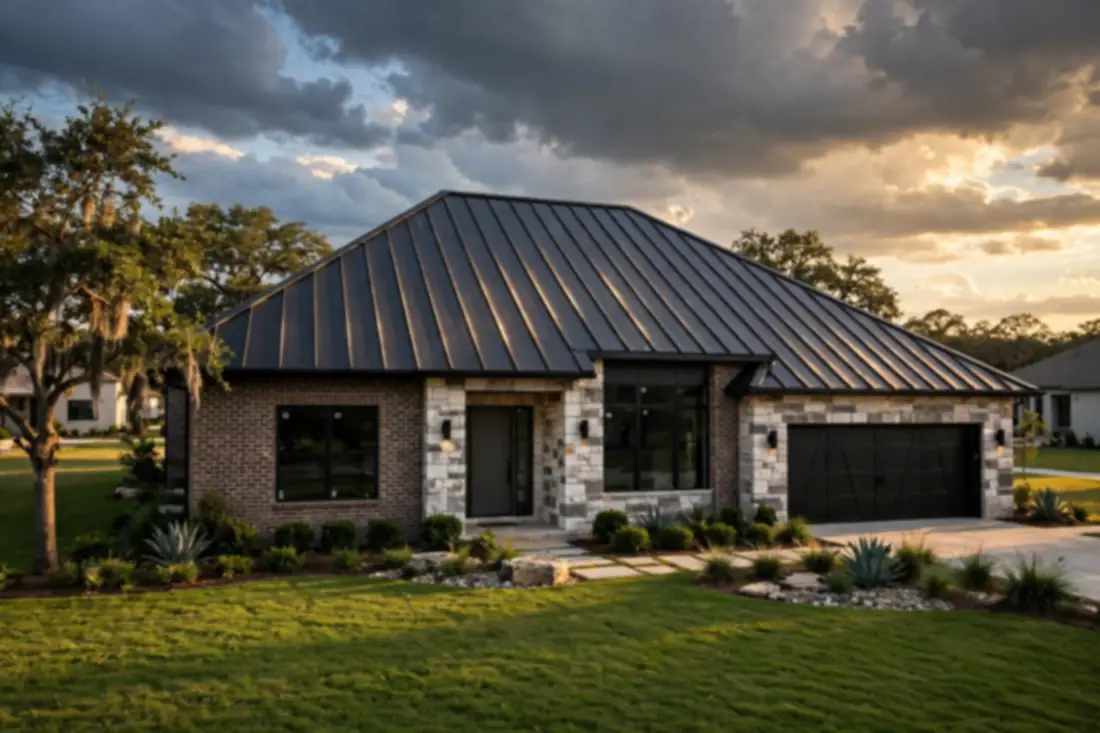
Standing seam and metal shingle roofing for Houston homes — panels detailed for Gulf wind, summer heat reflection, and decades of service with minimal upkeep.
Explore Metal Roofing →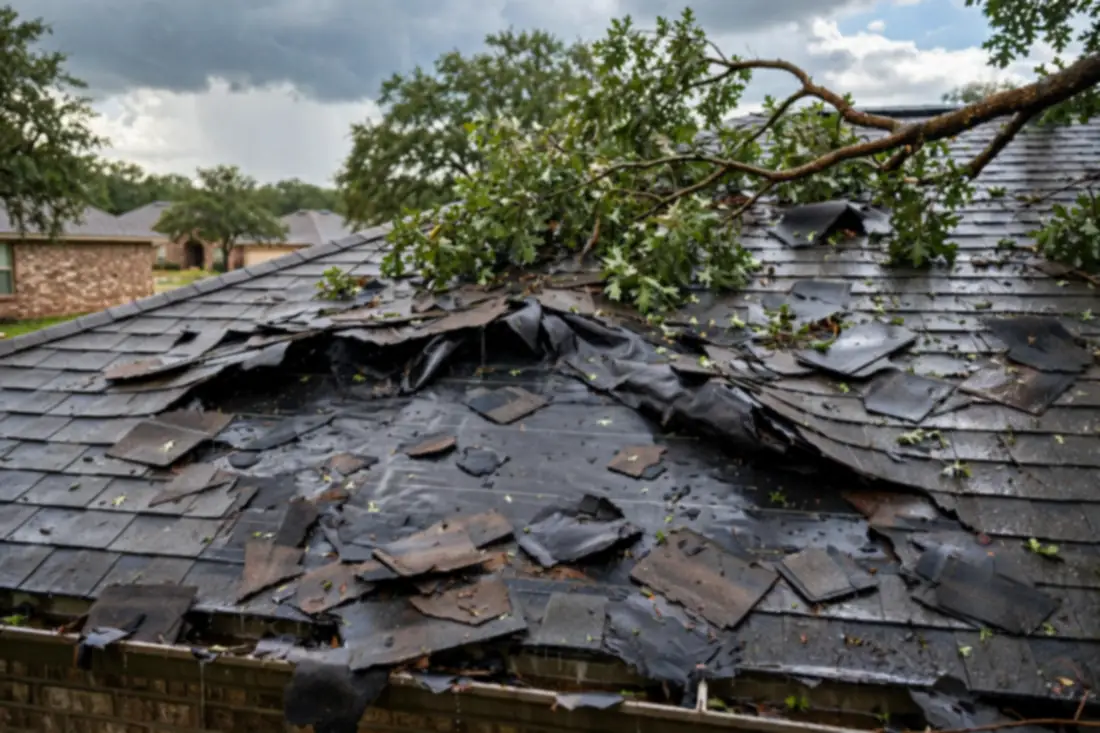
After the wind: storm-torn shingles, limb punctures, and lifted seals across Houston documented properly, stabilized, and repaired as a system — not just the hole you can see.
Explore Storm Damage Roof Repair →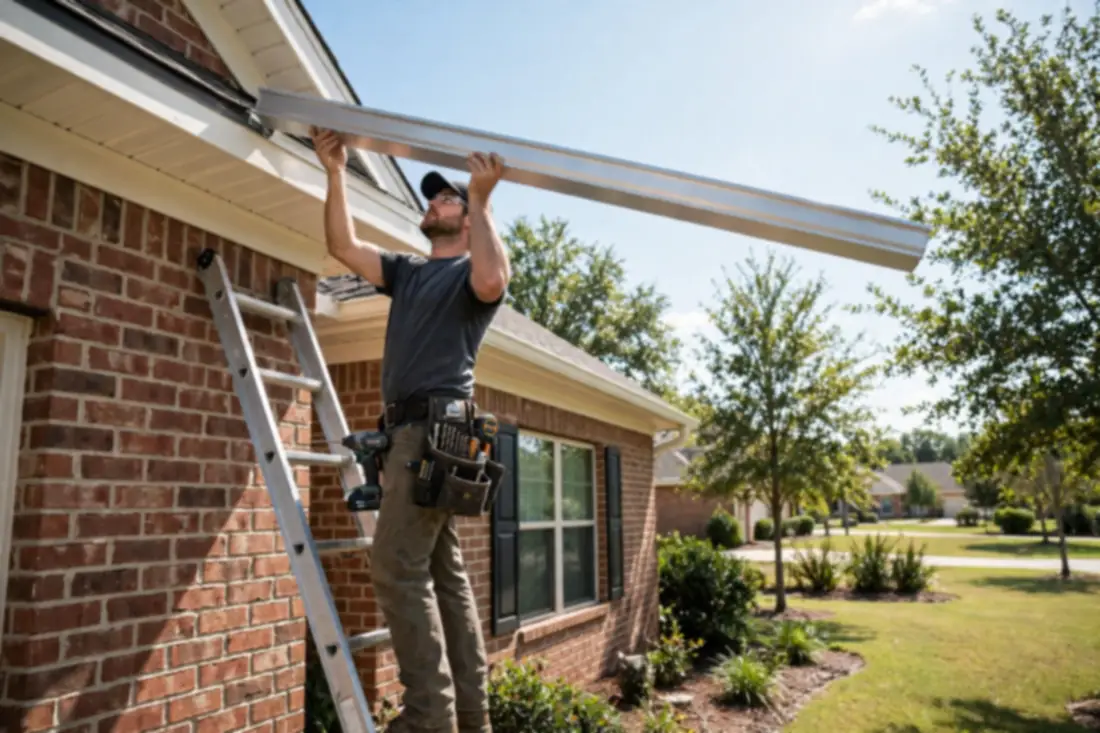
Seamless gutters sized to your roof and Houston's rain rates, pitched to actually drain, hung on sound fascia, and discharged well away from the foundation.
Explore Gutter Installation →Tell us what you are seeing — a leak, storm damage, an aging roof, a deadline. Your ZIP code confirms coverage and your description loads the right visit.
A local roofing professional reads the roof and the attic, photographs the findings, and explains them in plain language.
The work is set out in writing before it begins: what will be done, with what materials, and what happens if the deck holds surprises.
The project is completed as scoped, walked through with you, and documented for your home records.
Twelve is exactly when the first detail family — pipe boots and sealant — reaches its design age in Texas sun. The roof field has years left; the details are the story. An inspection reads them as a set and treats the renewal as maintenance.
Because a young suburb met its first serious storm run all at once: seals at their youngest-but-untested age, large exposed fields, and little canopy. The post-storm inventories here found the metro's most instructive hidden-damage cases.
Three: 77581, 77584, and 77588 — Shadow Creek Ranch, Silverlake, Silvercreek, Southern Trails, Old Pearland, and the rest of the city.
They are more detailed — more valleys, more flashing, more rigging — but the work itself follows the same discipline: diagnose at the source, repair the layer that failed, document the rest of the roof's condition.
It is the highest-value first document in a young suburb: your roof's detail families dated, its storm history read, and its maintenance calendar set — while everything is still in the easy years.
Mon–Fri 7 AM–10 PM · Sat 8 AM–10 PM · Sun 7 AM–9 PM Central. Describe the roof; a local professional takes it from there.