Coastal fastening and edges
On the bay, the perimeter is the roof's front line. Edge metal, starter integrity, and fastener patterns are read and built to the wind's expectations, not the inland minimum.

Mid-century and later homes in a genuinely coastal setting. Post-storm wind inventories on the bay.
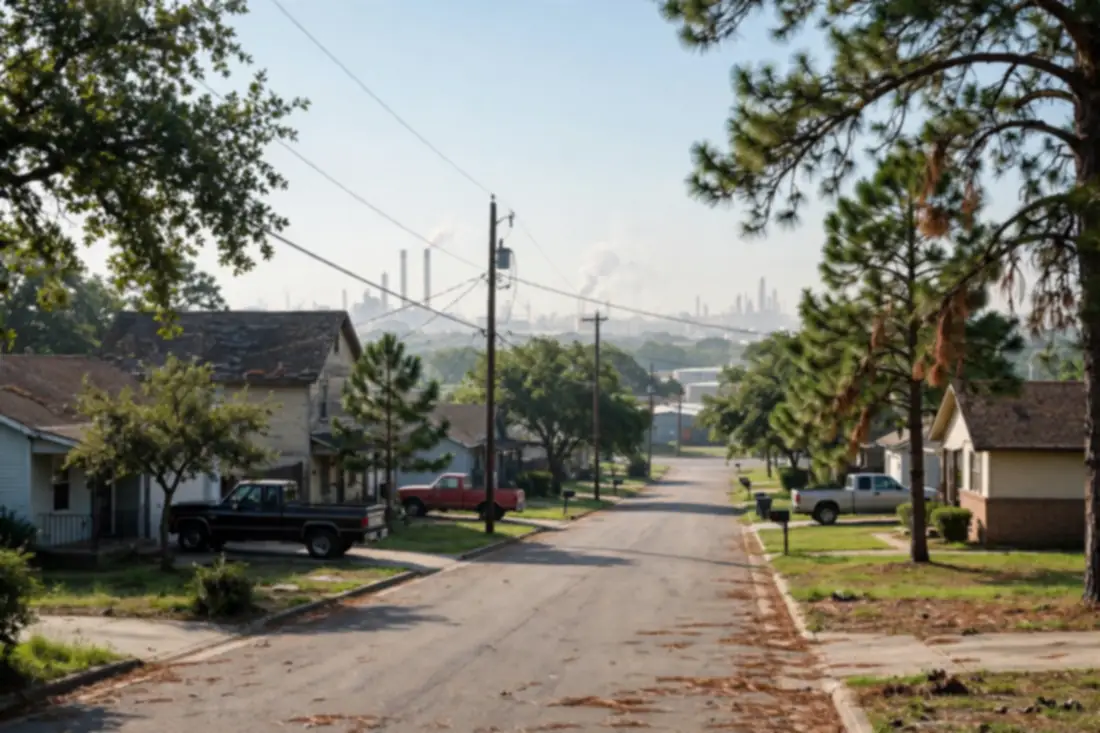
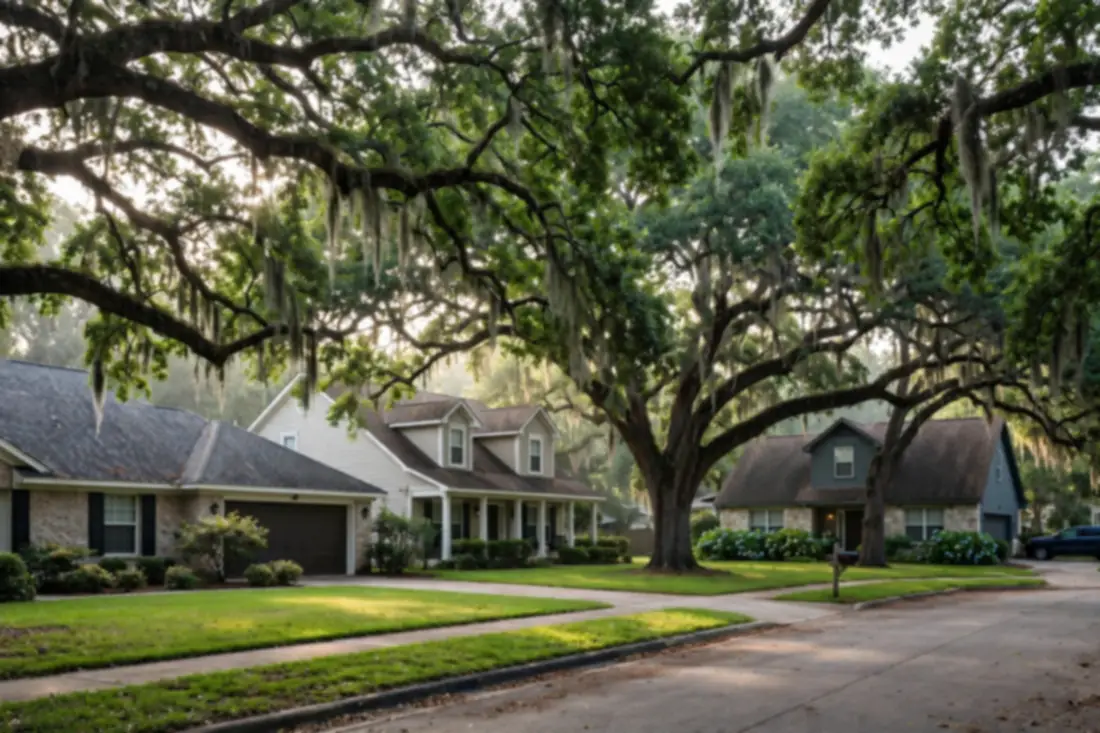
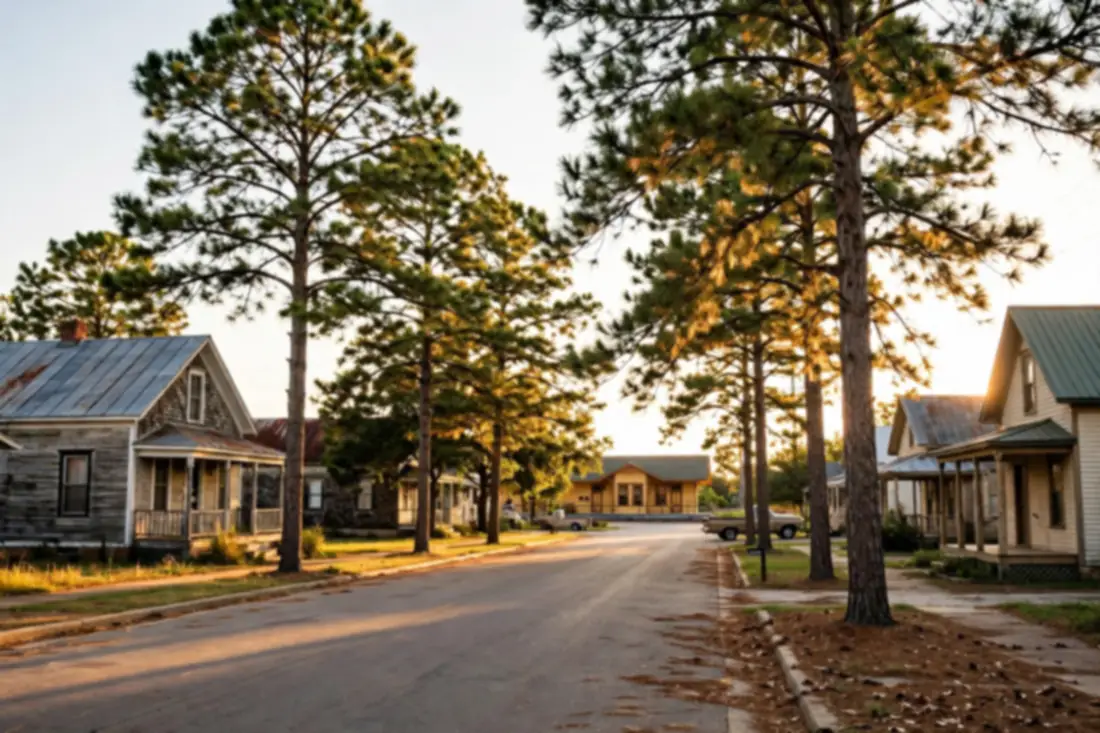
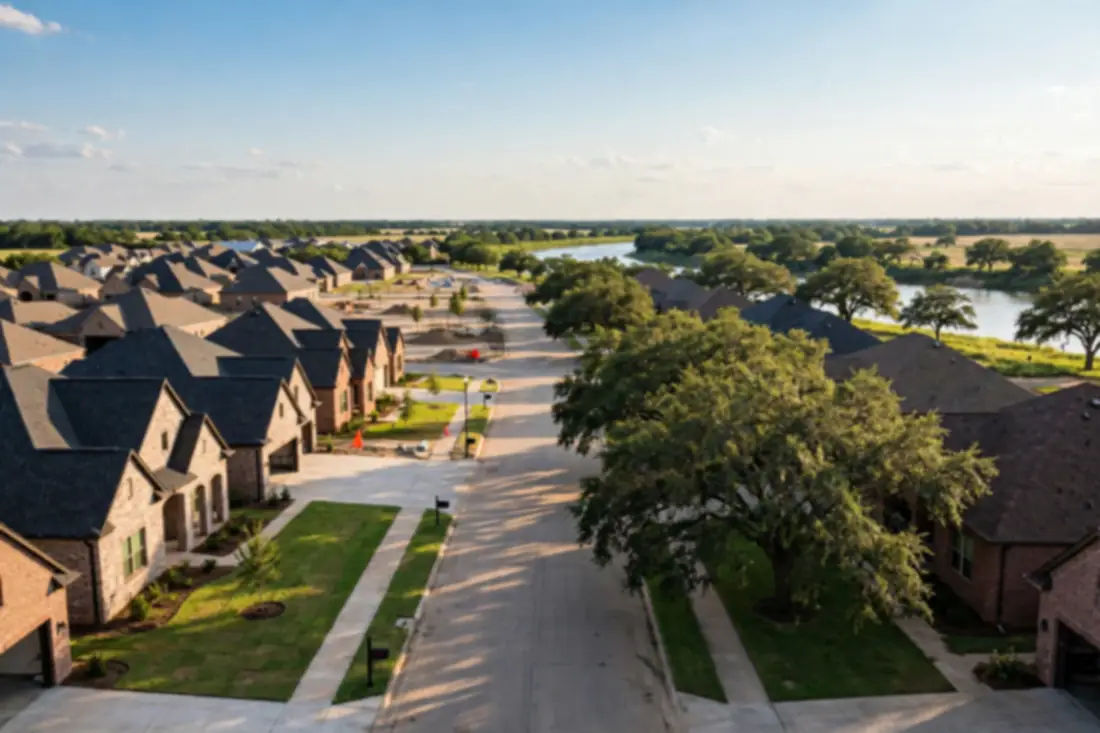
Baytown sits where the San Jacinto River meets Galveston Bay — a refinery city of deep roots, its neighborhoods built around the plants and the water: Old Baytown's historic streets, the Goose Creek area's established subdivisions, and newer growth pushing north and east. The Fred Hartman Bridge stands over the ship channel at its edge, and the bay itself is the city's eastern horizon — which means Baytown's roofs live a genuinely coastal life, an hour from the open Gulf but fully in its weather.
Coastal life writes the agenda: wind and driven rain read on the Gulf clock, humidity and salt air in every attic, storm inventories after every system that crosses the bay. Baytown's four covered ZIP codes — 77520, 77521, 77522, and 77523 — are all served through one call to Houston Roofing Help.
Neighborhoods: Old Baytown, Goose Creek, Baytown Heights, Wooster, Pinehurst, Chaparral Village, Country Club Oaks, Lakewood, Eastpoint, Pelican Bay area — and every street in the covered ZIP codes.
Distance from the beach is not the measure of a coastal roof — exposure is. Baytown's open water to the east and south, its flat terrain, and its position in the landfall corridor give its roofs the Gulf's full repertoire: sustained storm wind with fetch, rain driven sideways for hours, and the humidity regime that never lets a slow leak dry out. Local roofers apply the coastal checklist without being asked: edge metal and fastening patterns, seal systems, corrosion-resistant details where the salt air reaches, and post-storm inventories that assume wind-lift until the slopes prove otherwise.
The housing answers in kind — a city of practical, well-kept homes whose owners understand weather as a standing condition rather than an event. Baytown's roof conversations are refreshingly direct: what the last storm did, what the next one will test, and what to make right in between.
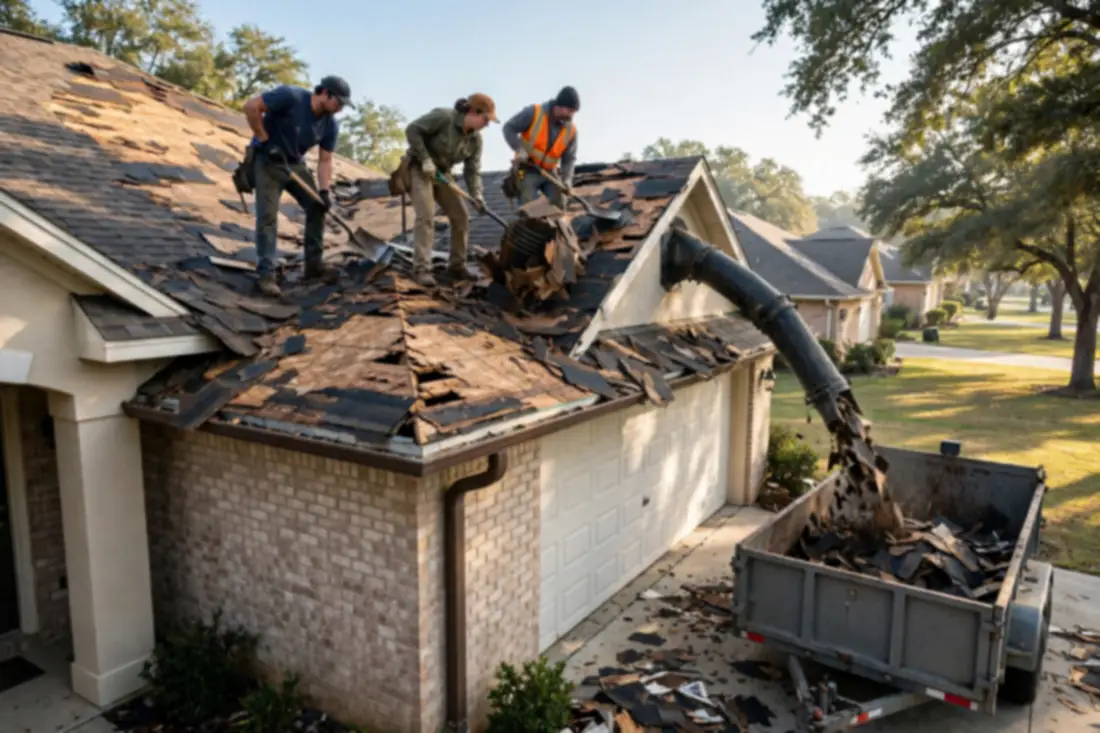
On the bay, the perimeter is the roof's front line. Edge metal, starter integrity, and fastener patterns are read and built to the wind's expectations, not the inland minimum.
Baytown rain arrives horizontally. Laps, ridge details, and flashing terminations that shed vertical rain are tested here on their driven-rain merits — and scoped accordingly.
Fasteners, flashing metals, and finishes within the bay's reach are chosen for the air they will live in. The wrong metal pairing corrodes on the coast's schedule.
Practical mid-century and later housing, maintained by owners who keep records. Baytown inspections meet a documented housing stock — and add their chapter to the file.
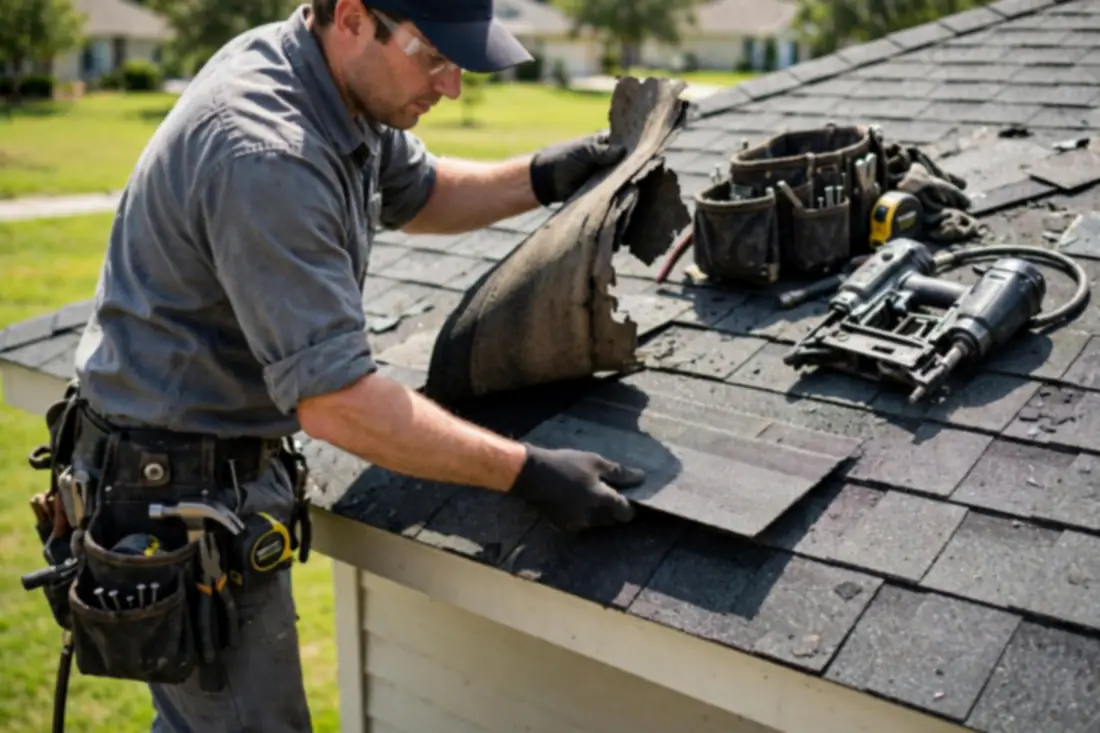
Targeted repairs for the failures Houston roofs actually develop — heat-curled shingles, cracked pipe boots, tired flashing, and storm-lifted edges caught before they reach the ceiling.
Explore Roof Repair →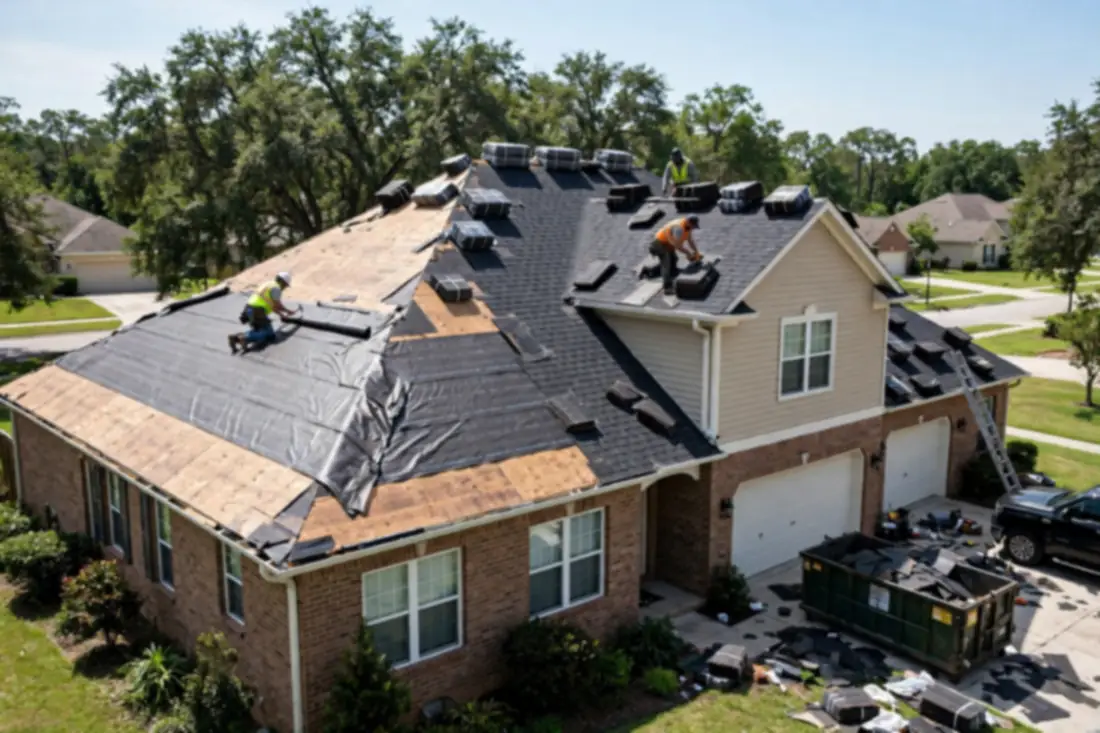
Full tear-off and re-roofing for Houston homes whose shingles have reached the end of their service life — deck inspection, modern underlayment, and a roof built for Gulf storms and Texas heat.
Explore Roof Replacement →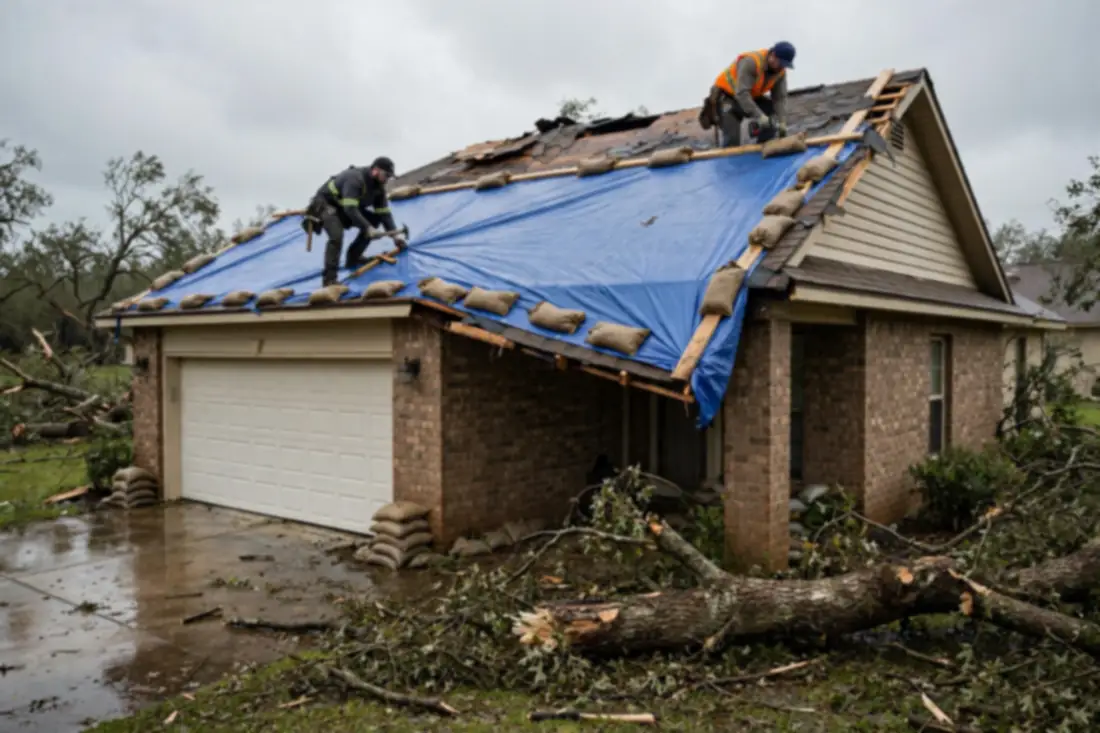
The storm-night service: roofs opened by wind, limbs, or sudden leaks made weather-tight fast — tarping, temporary sealing, and the permanent repair that follows.
Explore Emergency Roof Repair →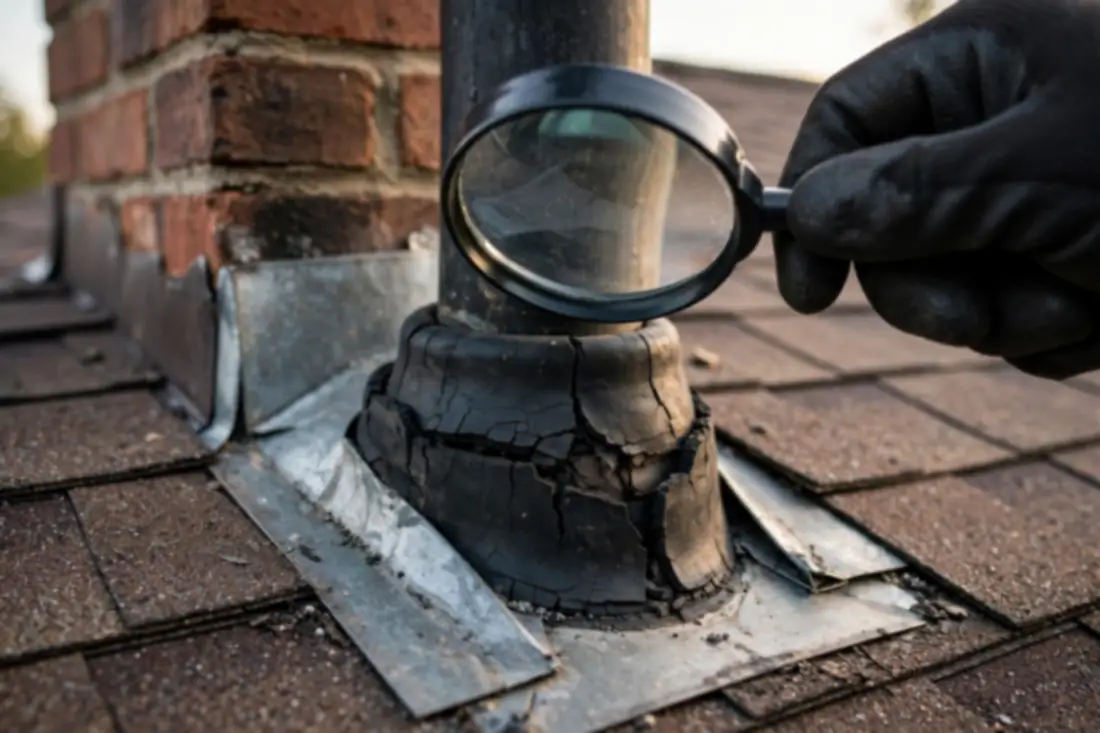
Attic-first leak detection for Houston homes — the stain traced to the failed boot, flashing, or seam above it, then repaired at the source layer, not at the symptom.
Explore Roof Leak Repair →
A full condition reading of your roof — surface, flashing, deck, attic, and ventilation — with photographs, findings by slope, and an honest remaining-life estimate in writing.
Explore Roof Inspection →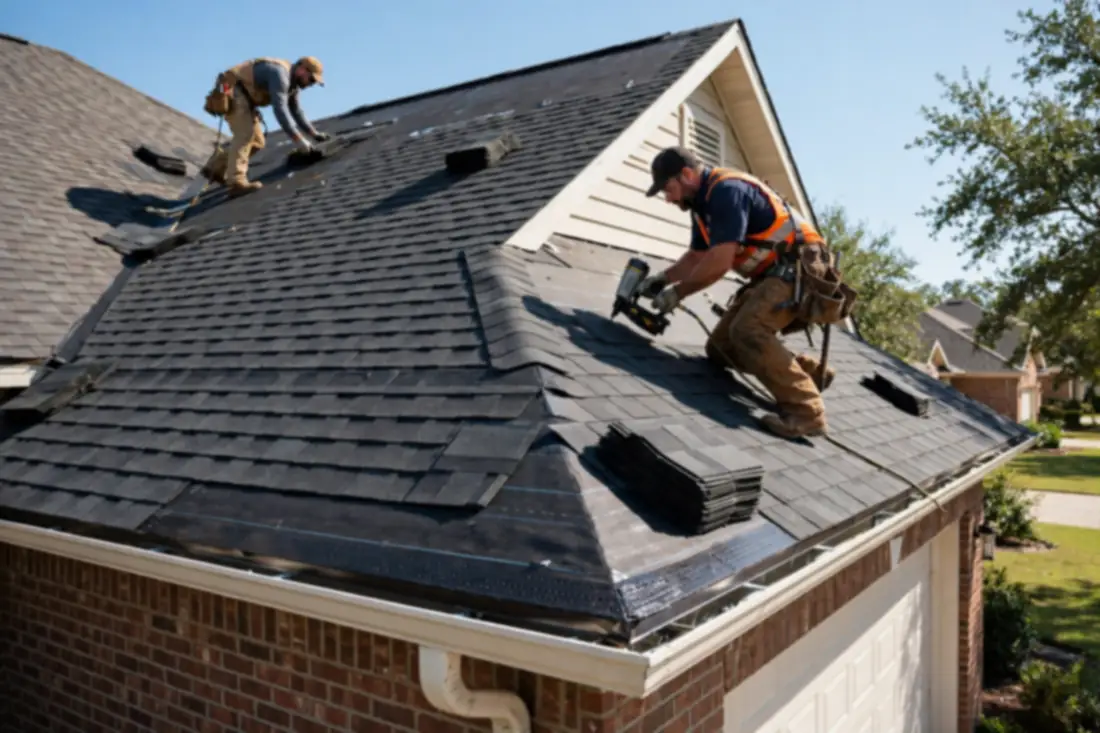
Architectural asphalt shingle roofing installed as a complete system — leak barrier, underlayment, flashing, and ventilation — matched to Houston heat, humidity, and storm wind.
Explore Shingle Roofing →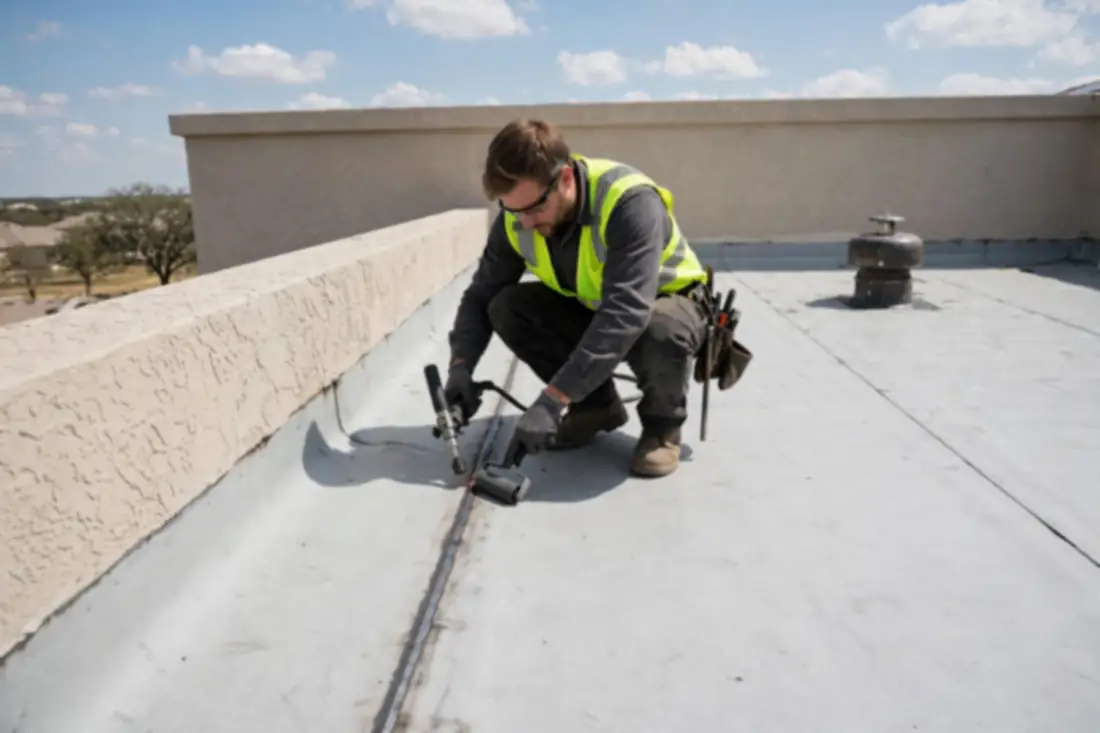
Membrane flat and low-slope roofing for Houston homes and additions — seams, drains, and ponding handled first, because flat roofs live or die by their drainage.
Explore Flat Roofing →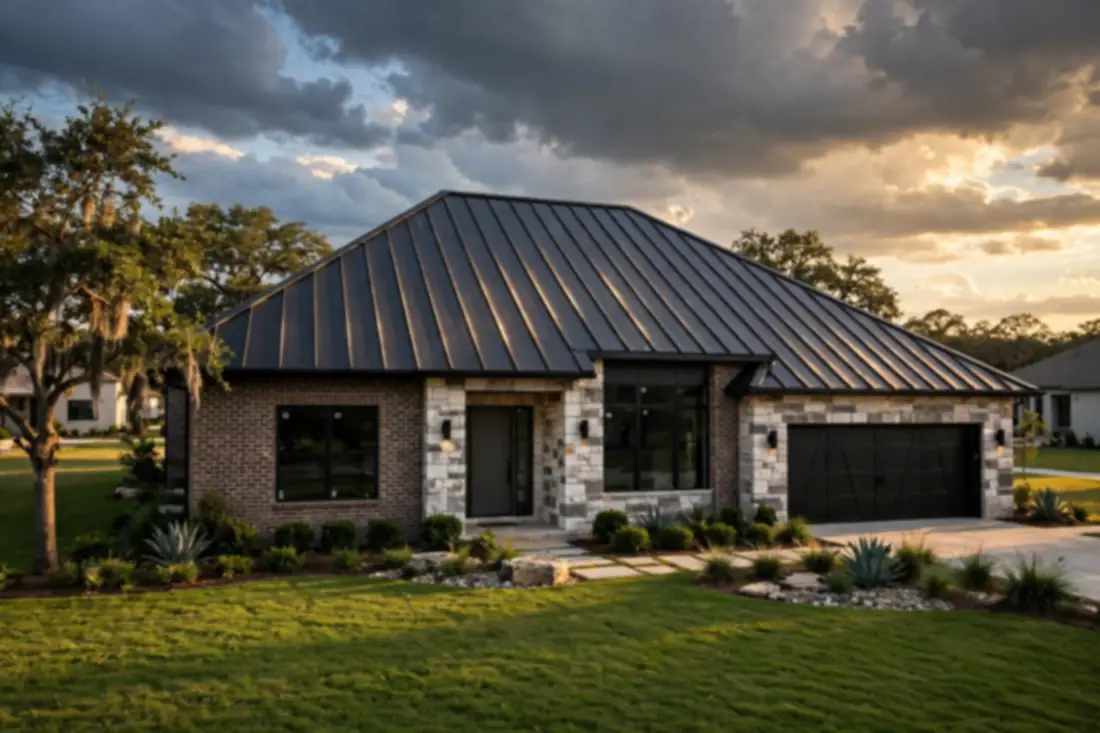
Standing seam and metal shingle roofing for Houston homes — panels detailed for Gulf wind, summer heat reflection, and decades of service with minimal upkeep.
Explore Metal Roofing →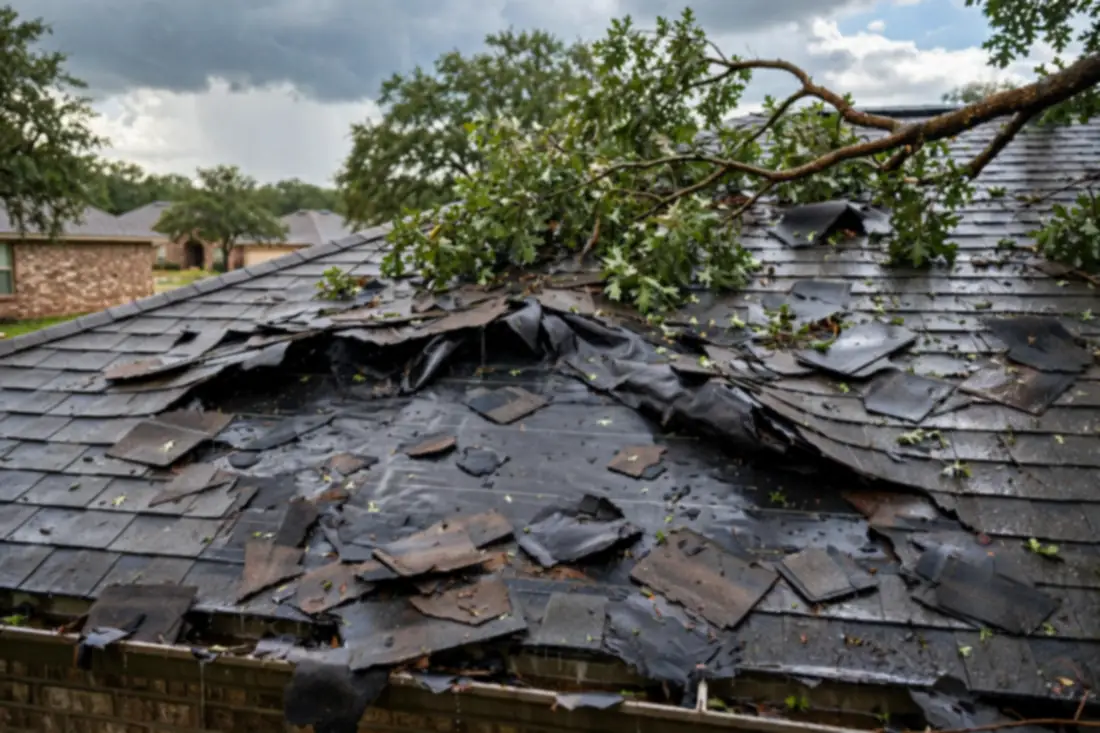
After the wind: storm-torn shingles, limb punctures, and lifted seals across Houston documented properly, stabilized, and repaired as a system — not just the hole you can see.
Explore Storm Damage Roof Repair →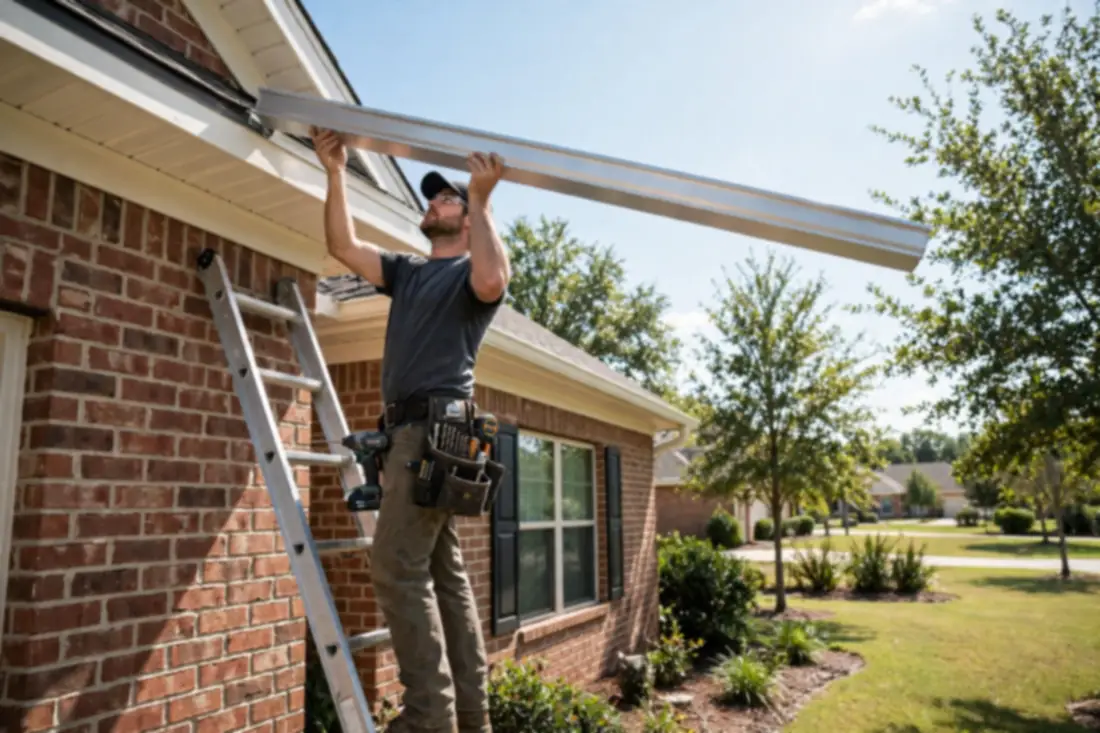
Seamless gutters sized to your roof and Houston's rain rates, pitched to actually drain, hung on sound fascia, and discharged well away from the foundation.
Explore Gutter Installation →Tell us what you are seeing — a leak, storm damage, an aging roof, a deadline. Your ZIP code confirms coverage and your description loads the right visit.
A local roofing professional reads the roof and the attic, photographs the findings, and explains them in plain language.
The work is set out in writing before it begins: what will be done, with what materials, and what happens if the deck holds surprises.
The project is completed as scoped, walked through with you, and documented for your home records.
All four: 77520, 77521, 77522, and 77523 — Old Baytown, Goose Creek, Baytown Heights, Wooster, and the growth areas north and east.
Yes — wind fetch, driven rain, salt air, and permanent humidity are all roof facts, and Baytown has all four. Materials, fastening, and the post-storm routine here follow the coastal discipline.
Survived is the right word to verify: seal-lift and creasing are exactly the injuries that look like survival from the ground. A post-storm inventory converts the assumption into a document.
Faster than inland — the humidity never gives wet decking a drying season. Baytown's rule is the coast's rule: the first stain gets a prompt call, not a monitoring period.
Often, yes — interlocked panels answer the wind mechanically and the finishes suit the air, when the system and its fastening are specified for coastal exposure. The roof's geometry and pitch make the final call.
Mon–Fri 7 AM–10 PM · Sat 8 AM–10 PM · Sun 7 AM–9 PM Central. Describe the roof; a local professional takes it from there.