Cohort legibility
Production generations mean your roof's likely findings are partly predictable from its build year and builder — Cypress inspections use that evidence honestly, then verify it on your actual slopes.
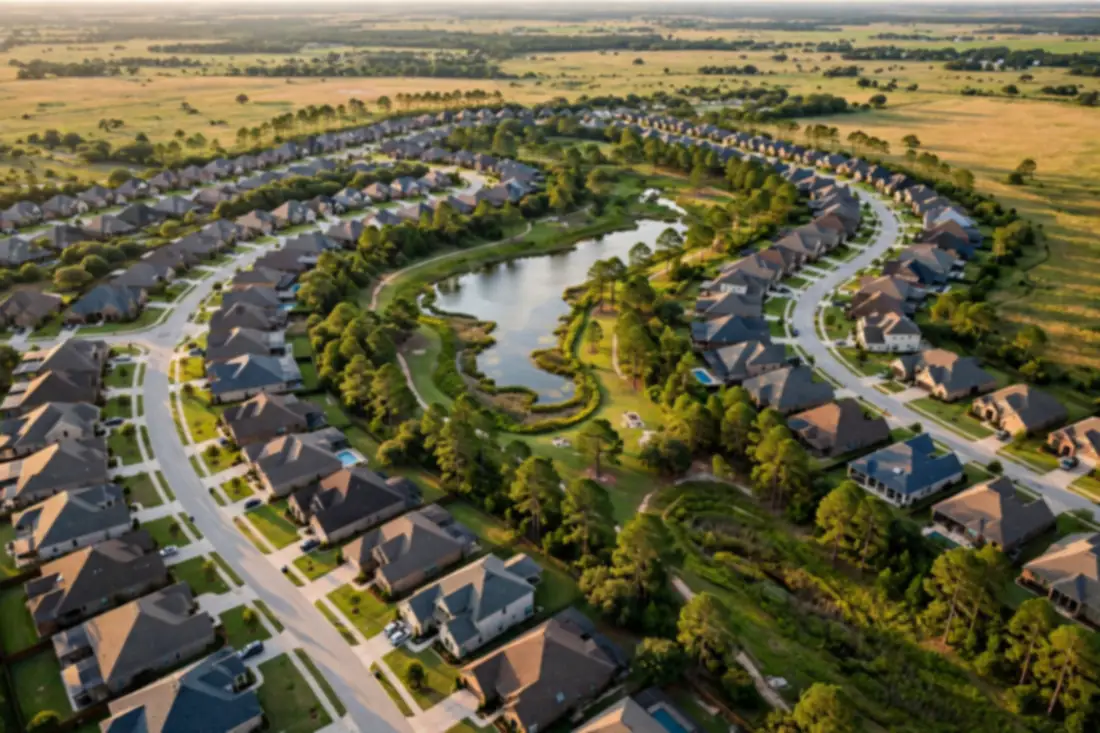
Large, complex production fields from the 1990s onward. Detail-dense repairs on intersection-rich roofs.
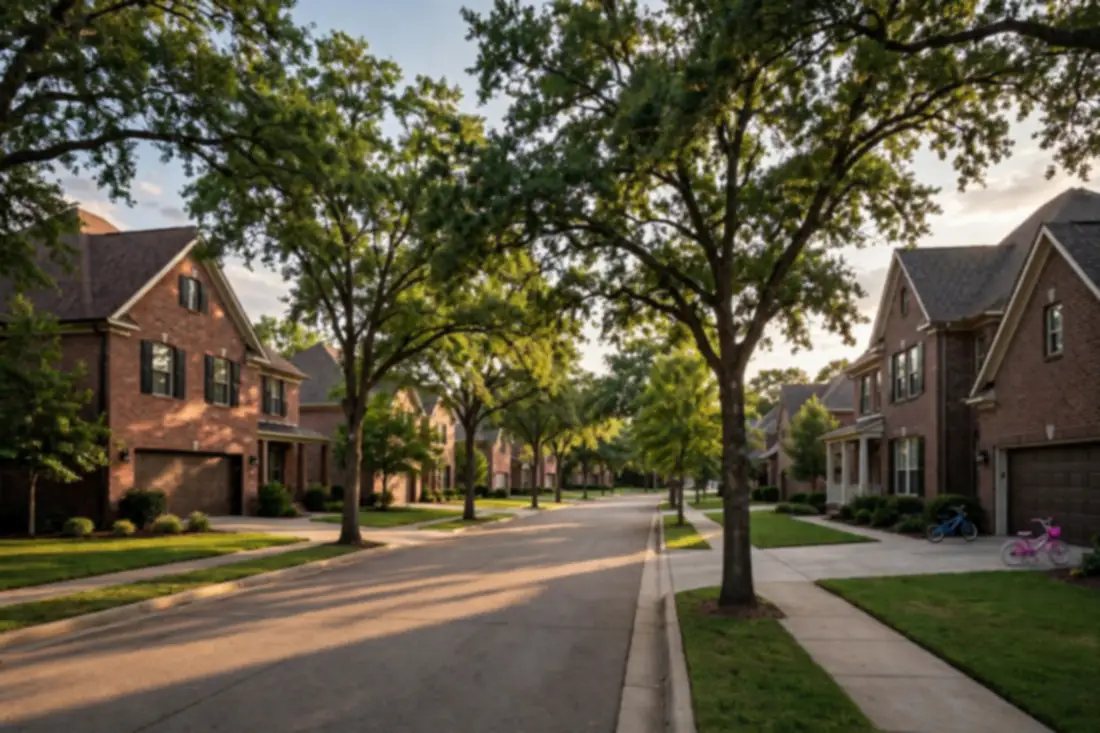
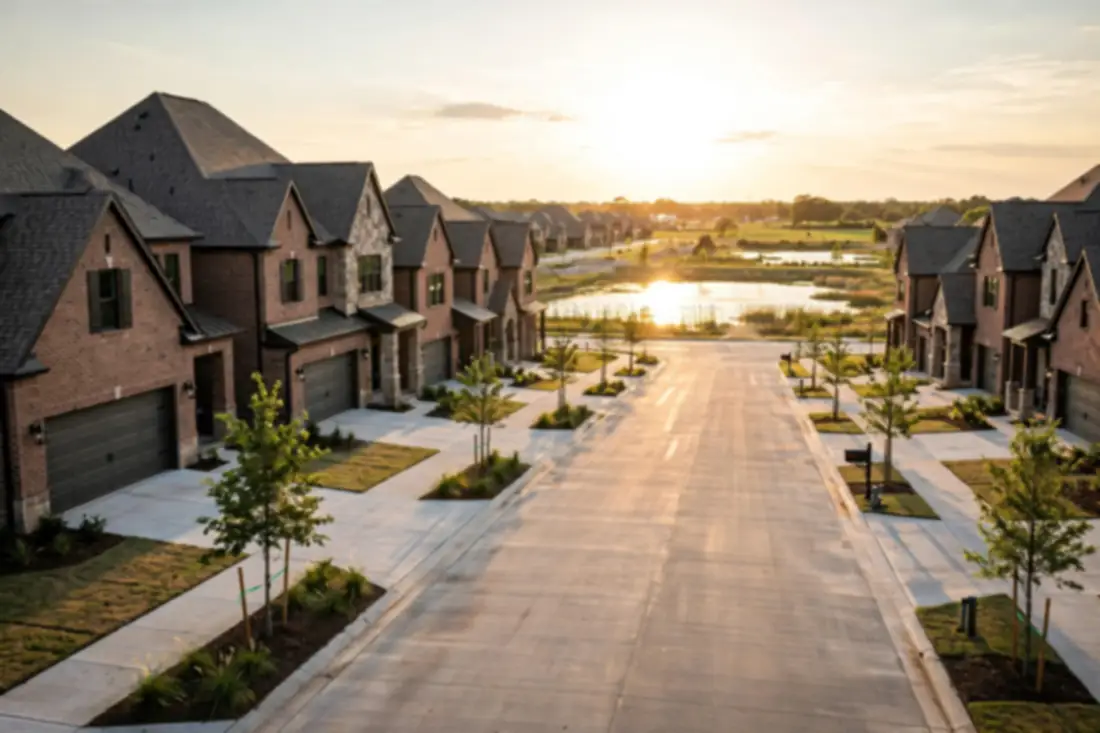
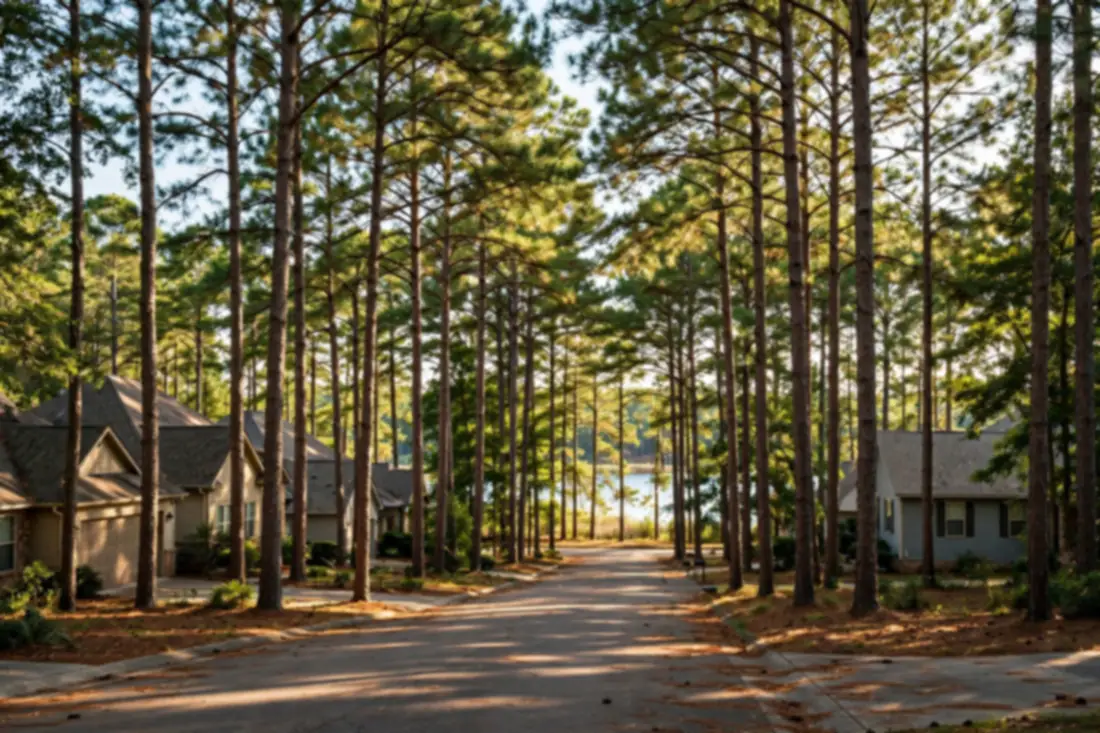
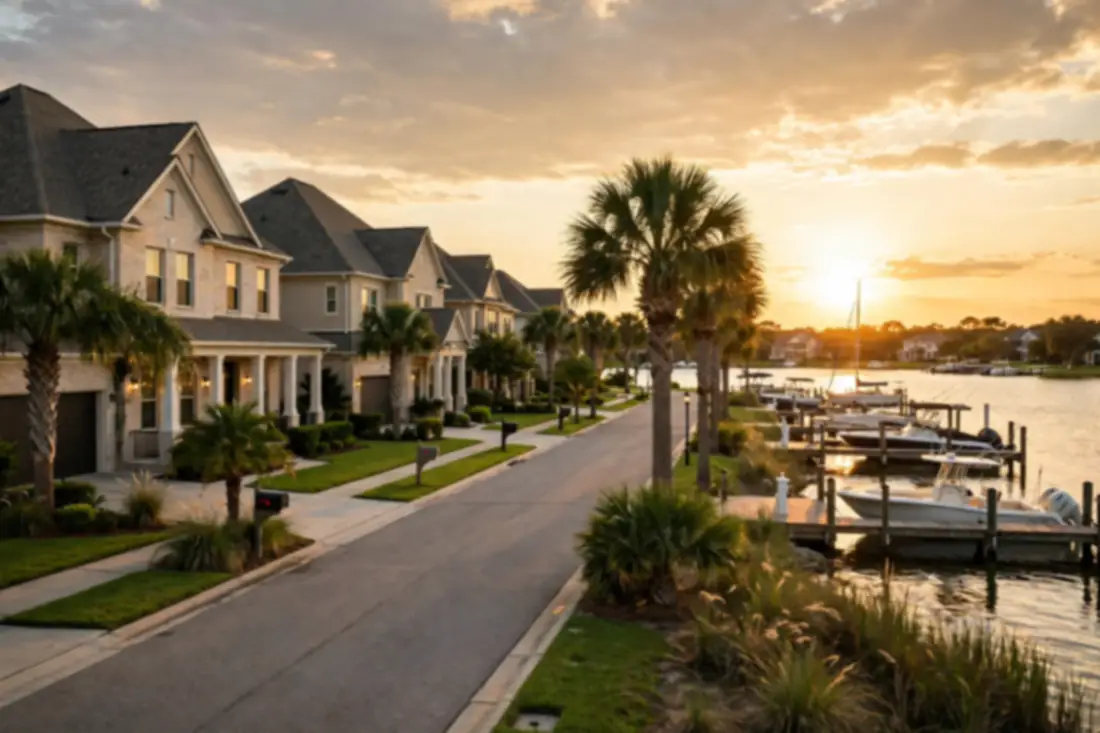
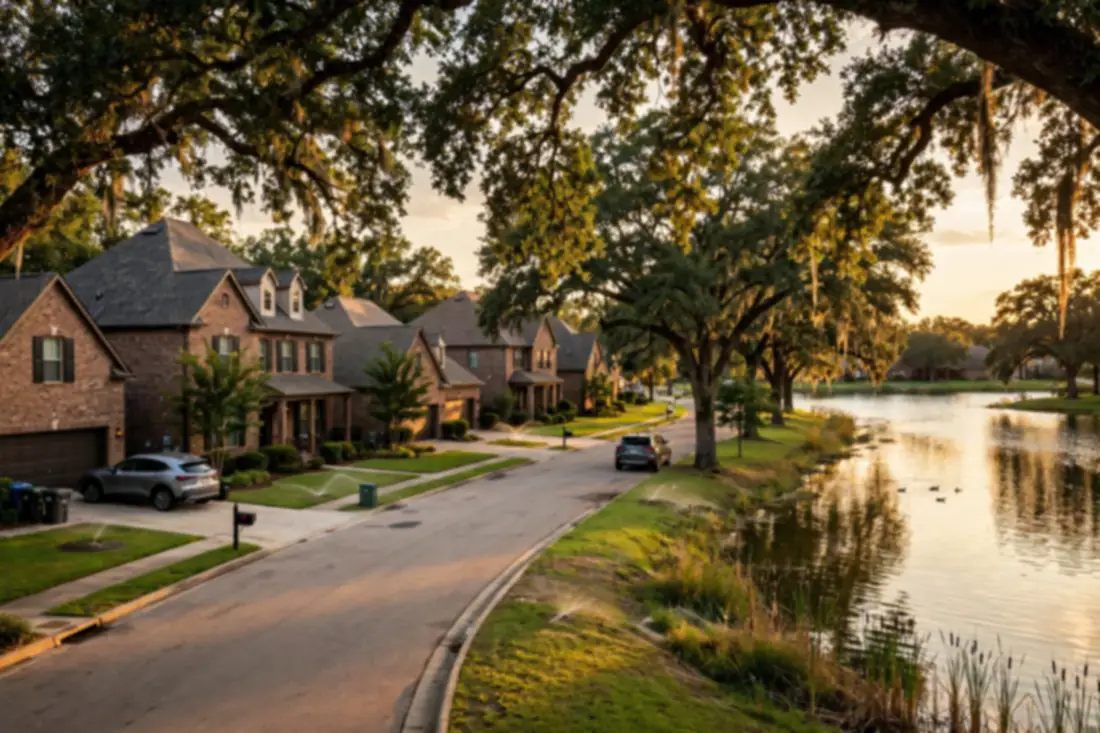
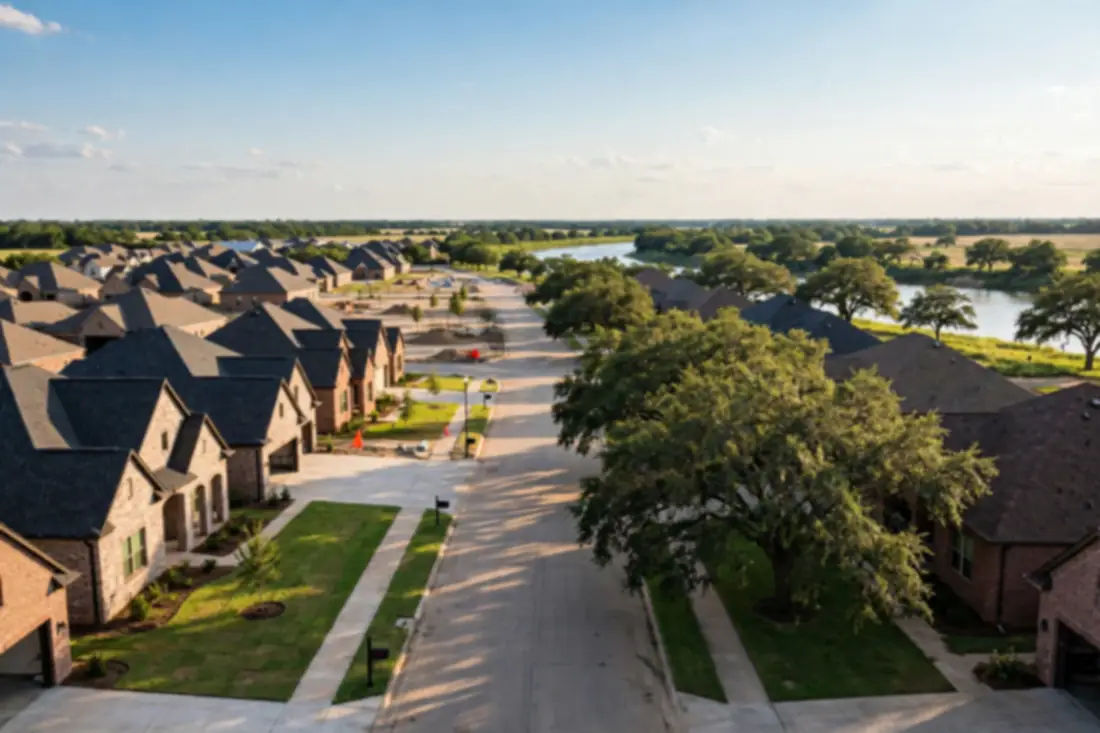
Cypress is not a city — it is one of the largest unincorporated communities in Texas, a prairie-and-pine expanse along the Highway 290 corridor that grew from ranch land into master-planned giants: Bridgeland's lakes and nature trails, Towne Lake built around its 300-acre lake, Fairfield and Coles Crossing from the earlier wave. Close to two hundred thousand people live in the Cypress area's three covered ZIP codes, in housing that is overwhelmingly post-1995, large, and architecturally ambitious — steep roofs, turrets, courtyards, and fields measured in the plural thousands of square feet.
That scale sets the roofing character: big complex fields where the detail count is the project, production generations aging as readable cohorts, and the prairie-edge wind that crosses the west side unobstructed. Cypress's ZIP codes — 77410, 77429, and 77433 — are served through one call to Houston Roofing Help.
Neighborhoods: Bridgeland, Towne Lake, Fairfield, Cypress Creek Lakes, Coles Crossing, Lakewood Glen, StoneGate, Riata Ranch, BlackHorse Ranch, Cypress Mill — and every street in the covered ZIP codes.
Because Cypress grew as county land under master plans rather than as a city, its communities were built fast, large, and to template — which makes its roofs unusually legible. A Fairfield section from 2003 or a Bridgeland street from 2012 is a cohort with shared materials, shared details, and therefore a shared maintenance calendar that an experienced local roofer can read like a schedule. The newest Bridgeland and Towne Lake roofs are in their early years; the Fairfield generation is in its decision decade; the whole area's post-storm inventories benefit from that legibility.
The architectural ambition adds the second theme: Cypress homes wear some of the metro's most complex roofs — intersecting hips, eyebrow dormers, tower elements, courtyard transitions. On these roofs the flashing count rivals the field in importance, and the craft conversation is always, properly, about details.
Production generations mean your roof's likely findings are partly predictable from its build year and builder — Cypress inspections use that evidence honestly, then verify it on your actual slopes.
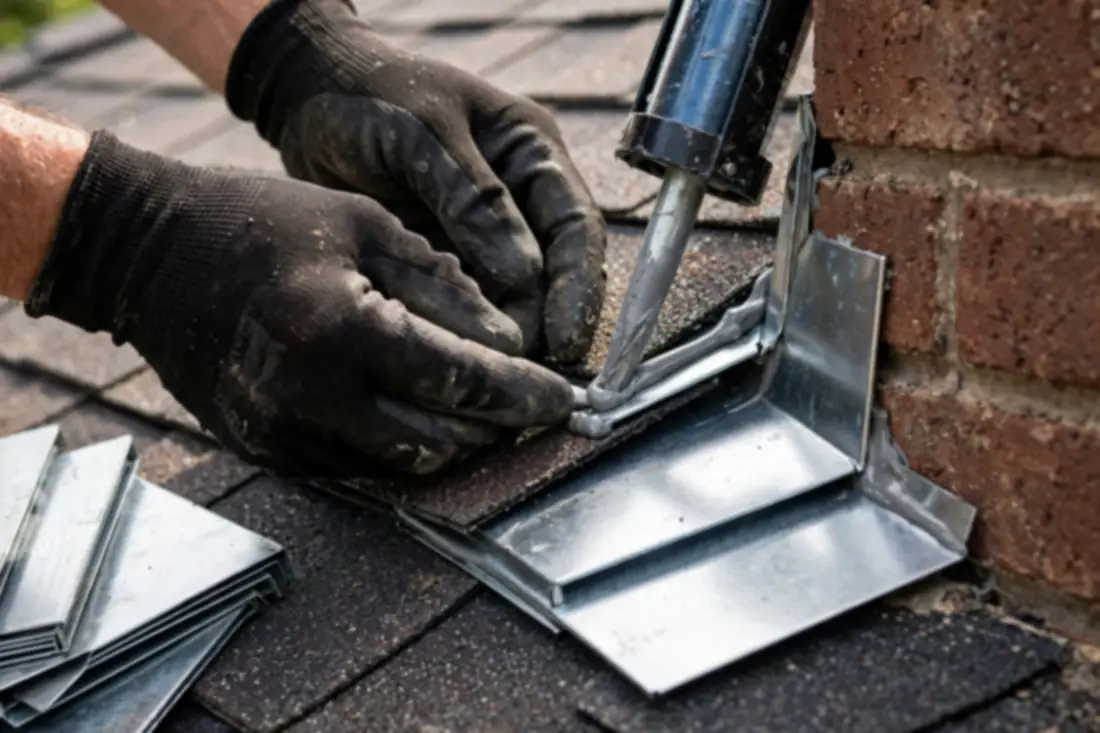
Turrets, dormers, and courtyard joints multiply the flashing runs. Cypress scopes are detail documents; the field is the easy half.
The 290 corridor's western sections meet open land. Wind reads on the exposed streets follow the prairie rule: seals and edges first, after every event.
Towne Lake and Bridgeland's waterside lots collect wind-carried debris from every direction — valleys and gutters on these homes serve a wider catchment than the lot.
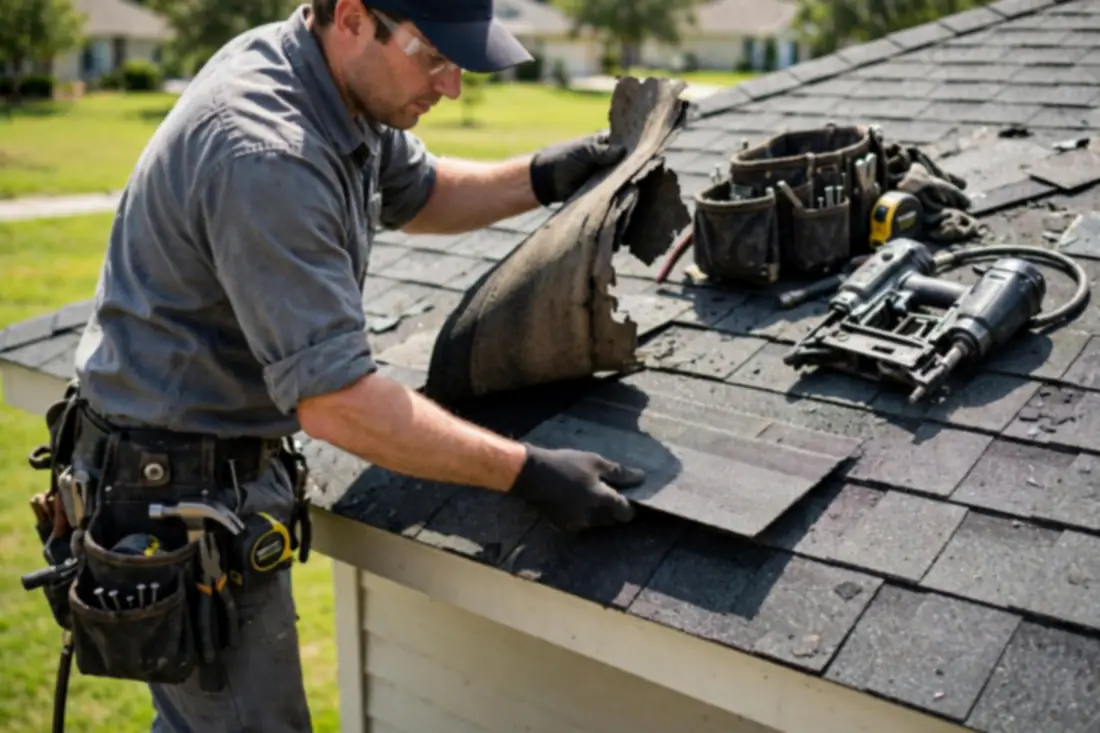
Targeted repairs for the failures Houston roofs actually develop — heat-curled shingles, cracked pipe boots, tired flashing, and storm-lifted edges caught before they reach the ceiling.
Explore Roof Repair →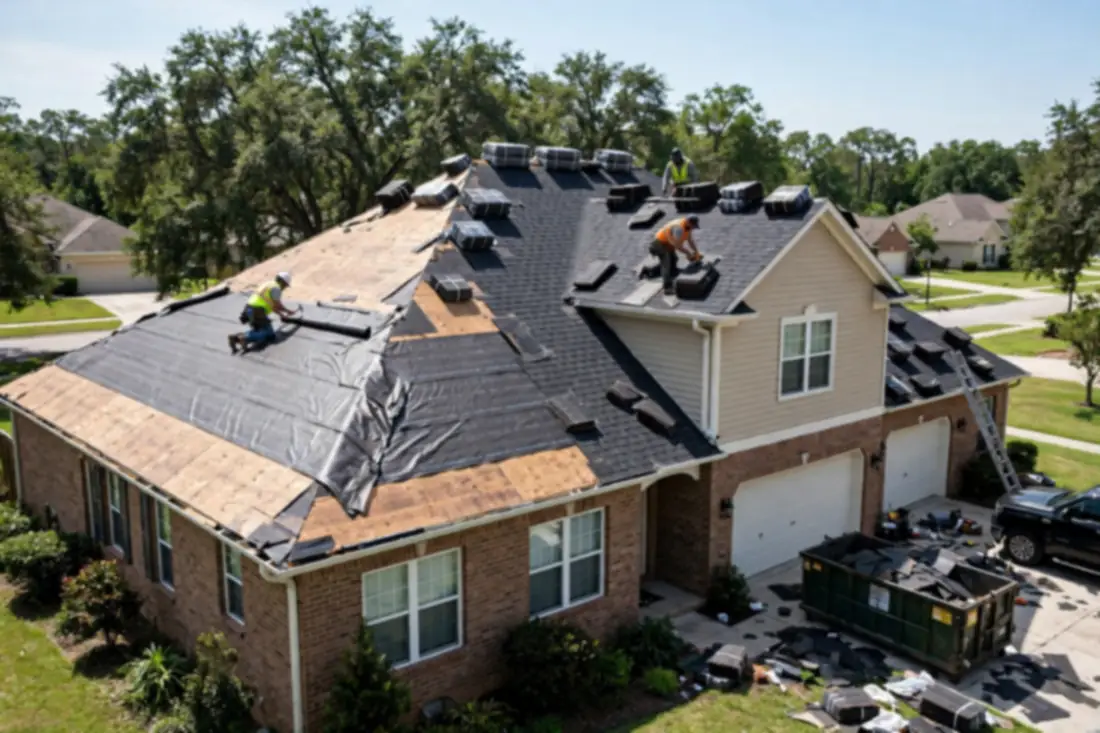
Full tear-off and re-roofing for Houston homes whose shingles have reached the end of their service life — deck inspection, modern underlayment, and a roof built for Gulf storms and Texas heat.
Explore Roof Replacement →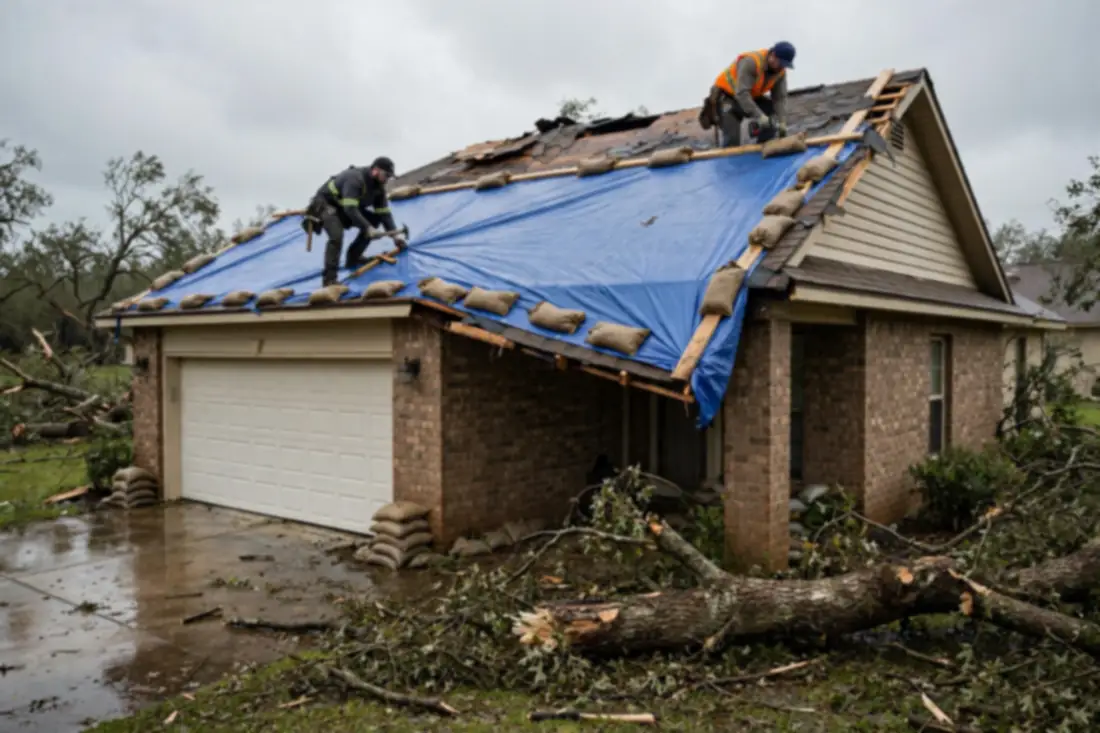
The storm-night service: roofs opened by wind, limbs, or sudden leaks made weather-tight fast — tarping, temporary sealing, and the permanent repair that follows.
Explore Emergency Roof Repair →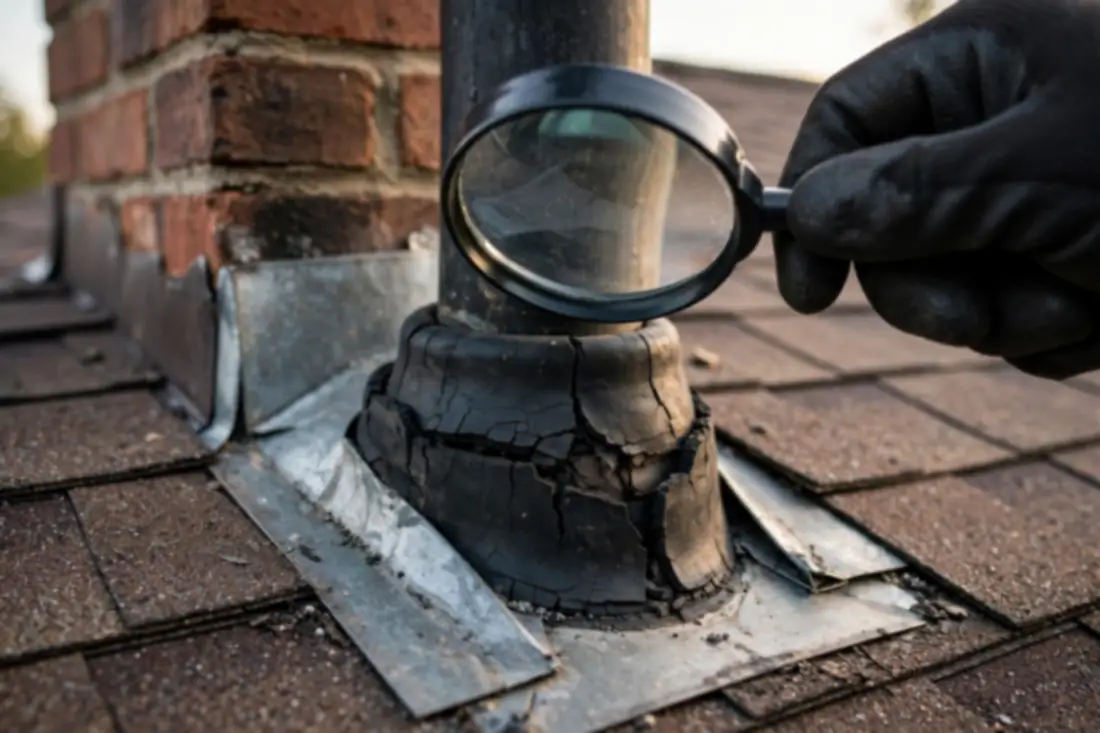
Attic-first leak detection for Houston homes — the stain traced to the failed boot, flashing, or seam above it, then repaired at the source layer, not at the symptom.
Explore Roof Leak Repair →
A full condition reading of your roof — surface, flashing, deck, attic, and ventilation — with photographs, findings by slope, and an honest remaining-life estimate in writing.
Explore Roof Inspection →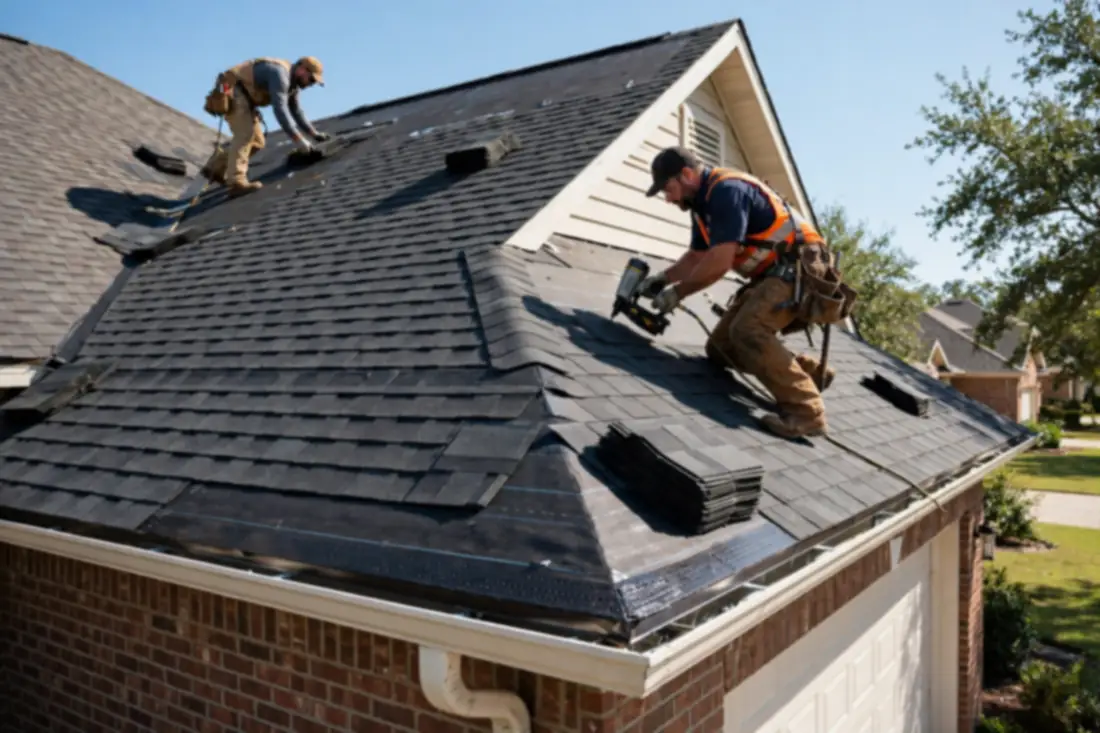
Architectural asphalt shingle roofing installed as a complete system — leak barrier, underlayment, flashing, and ventilation — matched to Houston heat, humidity, and storm wind.
Explore Shingle Roofing →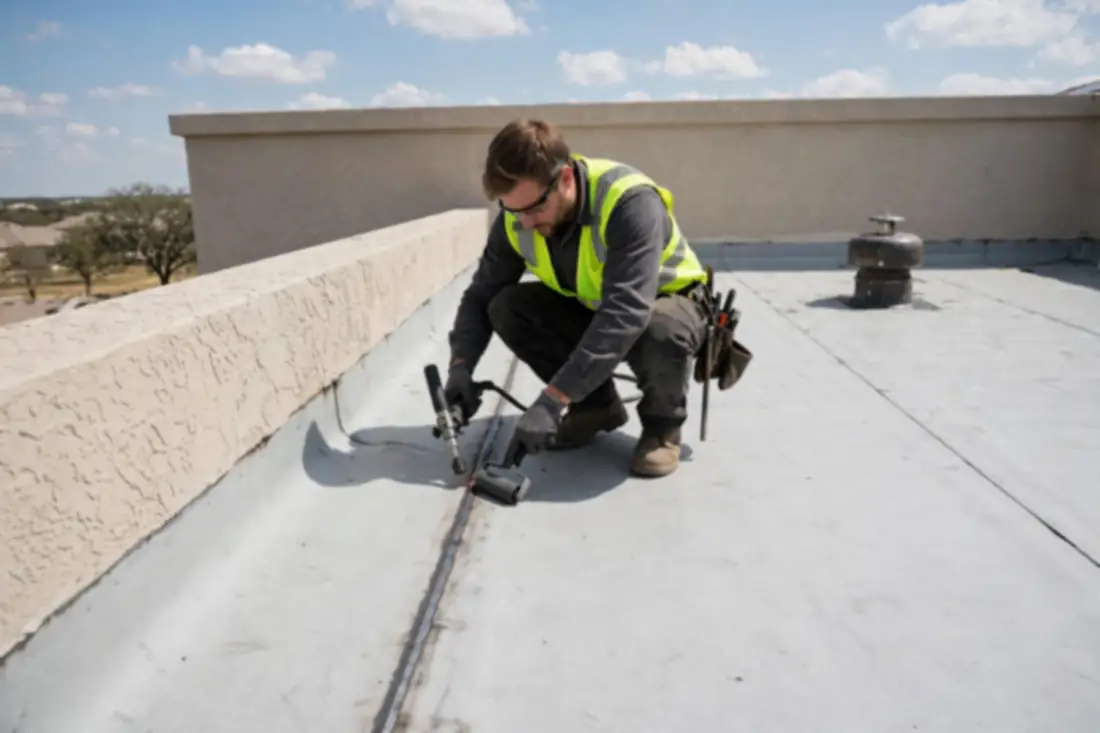
Membrane flat and low-slope roofing for Houston homes and additions — seams, drains, and ponding handled first, because flat roofs live or die by their drainage.
Explore Flat Roofing →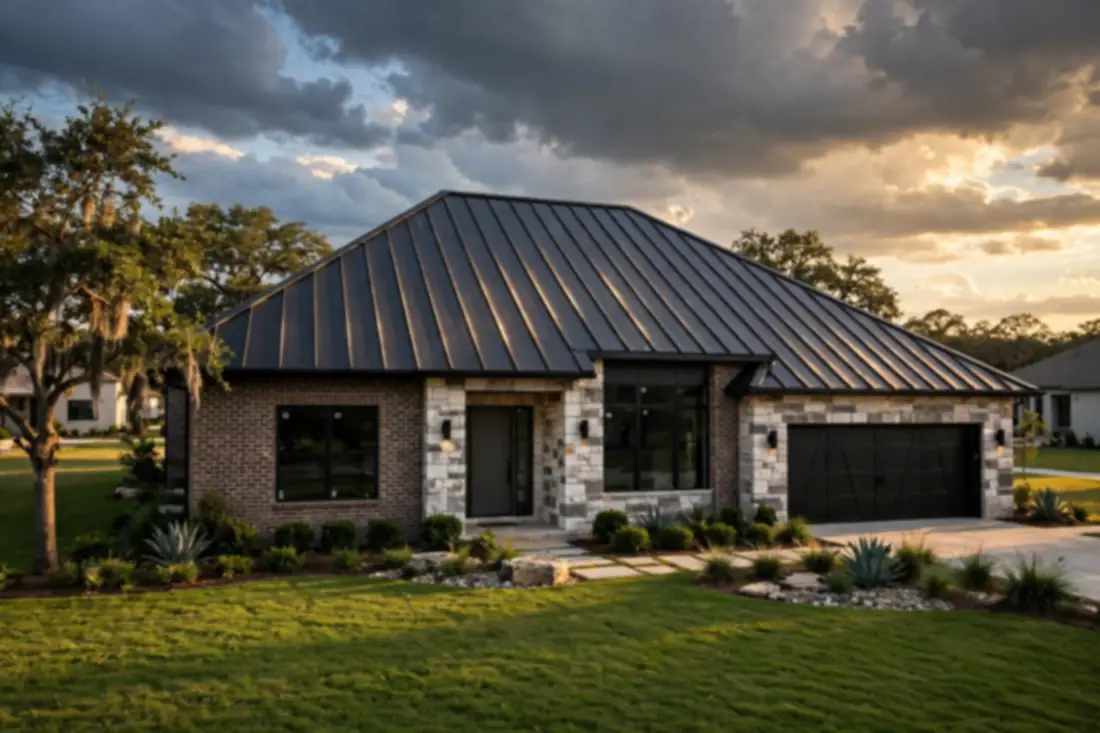
Standing seam and metal shingle roofing for Houston homes — panels detailed for Gulf wind, summer heat reflection, and decades of service with minimal upkeep.
Explore Metal Roofing →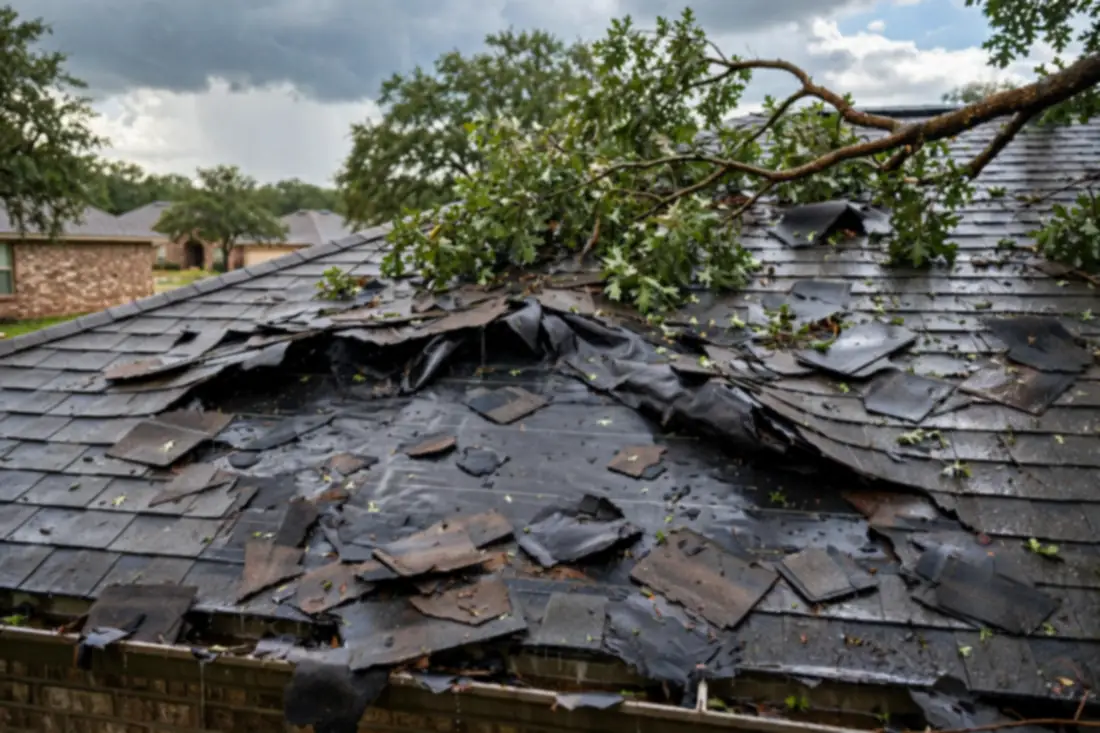
After the wind: storm-torn shingles, limb punctures, and lifted seals across Houston documented properly, stabilized, and repaired as a system — not just the hole you can see.
Explore Storm Damage Roof Repair →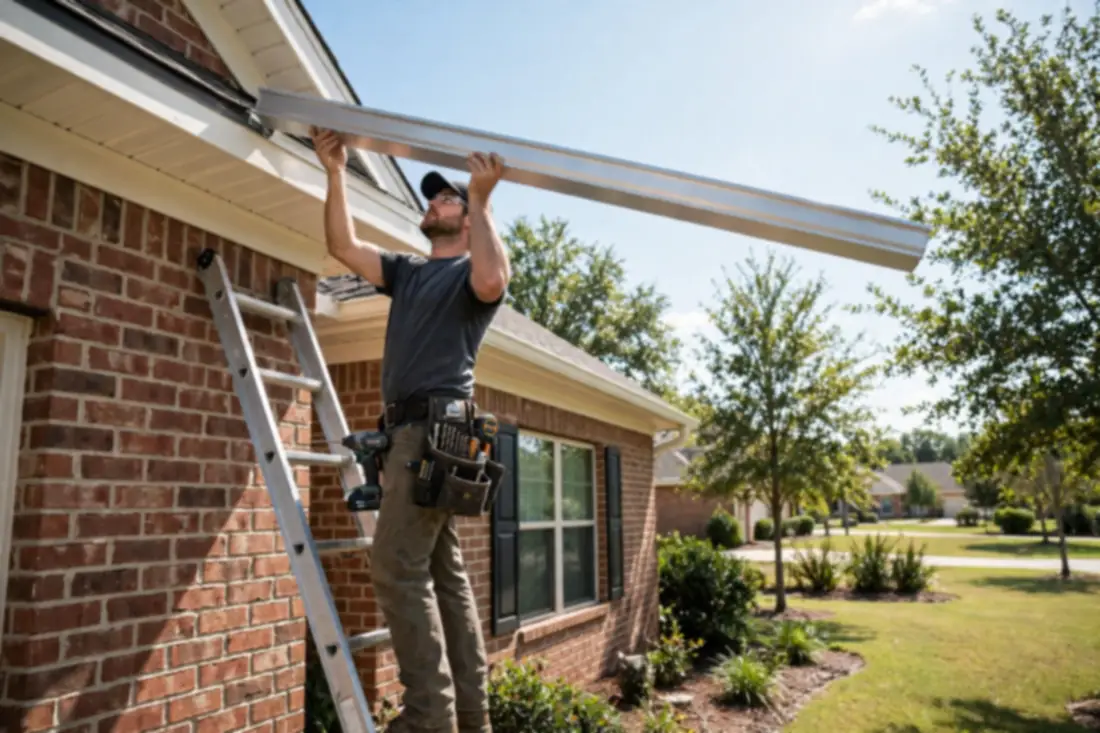
Seamless gutters sized to your roof and Houston's rain rates, pitched to actually drain, hung on sound fascia, and discharged well away from the foundation.
Explore Gutter Installation →Tell us what you are seeing — a leak, storm damage, an aging roof, a deadline. Your ZIP code confirms coverage and your description loads the right visit.
A local roofing professional reads the roof and the attic, photographs the findings, and explains them in plain language.
The work is set out in writing before it begins: what will be done, with what materials, and what happens if the deck holds surprises.
The project is completed as scoped, walked through with you, and documented for your home records.
Yes — coverage follows the bid-verified ZIP codes, and all three Cypress ZIPs are in: 77410, 77429, and 77433, covering Bridgeland, Towne Lake, Fairfield, Coles Crossing, and the rest of the area.
It changes the detail count and the rigging, not the discipline. Complex roofs concentrate their failures at their intersections — which is where the diagnosis looks first and where the craft is spent.
Largely, yes — same builders, same materials, same seasons of weather. Your street is a cohort. That makes your neighbors' roof experiences real evidence, and your own inspection unusually well-informed before it starts.
Open fetch means fewer slowed gusts and more sustained lift at edges and ridges. Post-storm checks in Cypress start at the perimeter details and the seal system, in that order.
Yes — in Cypress's debris geography the two are usually one water story: valley, channel, and discharge read together.
Mon–Fri 7 AM–10 PM · Sat 8 AM–10 PM · Sun 7 AM–9 PM Central. Describe the roof; a local professional takes it from there.