Builder-era detail sets
Katy's production builders worked to repeatable detail templates — the same vent layouts, valley styles, and flashing habits street after street. Roofers who know the template know where it weeps first.
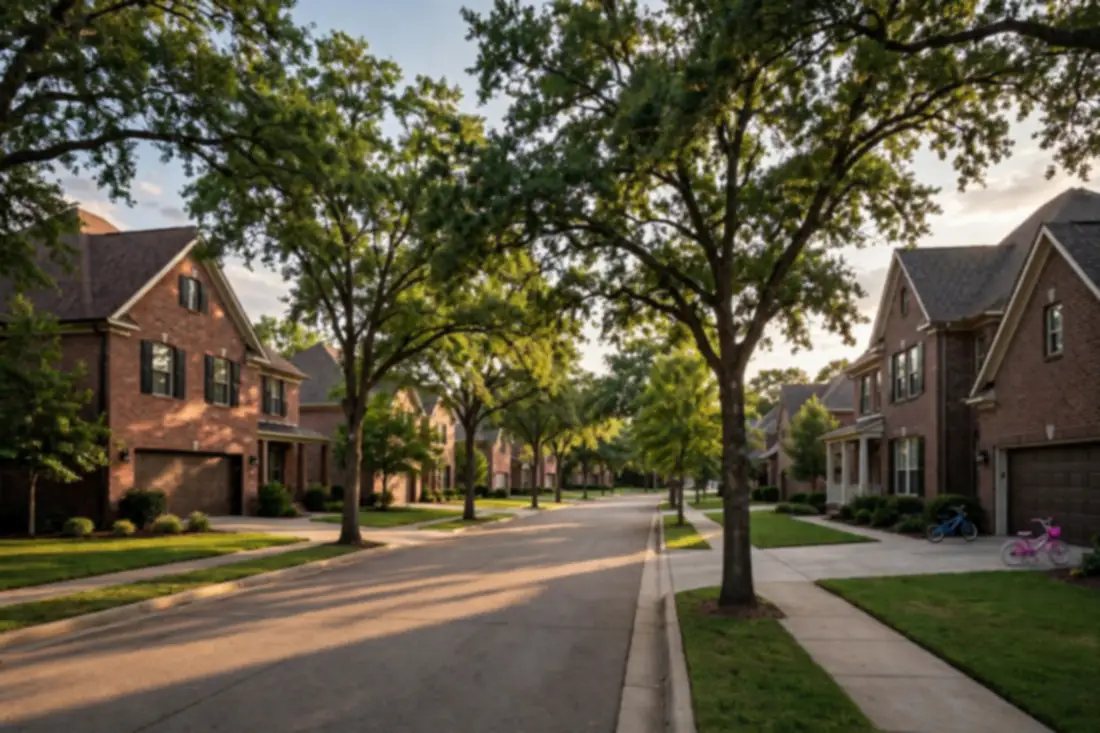
Steep, complex fields on brick two-stories, built in 1990s–2010s waves. Seal, boot, and flashing renewal on the maturing waves.
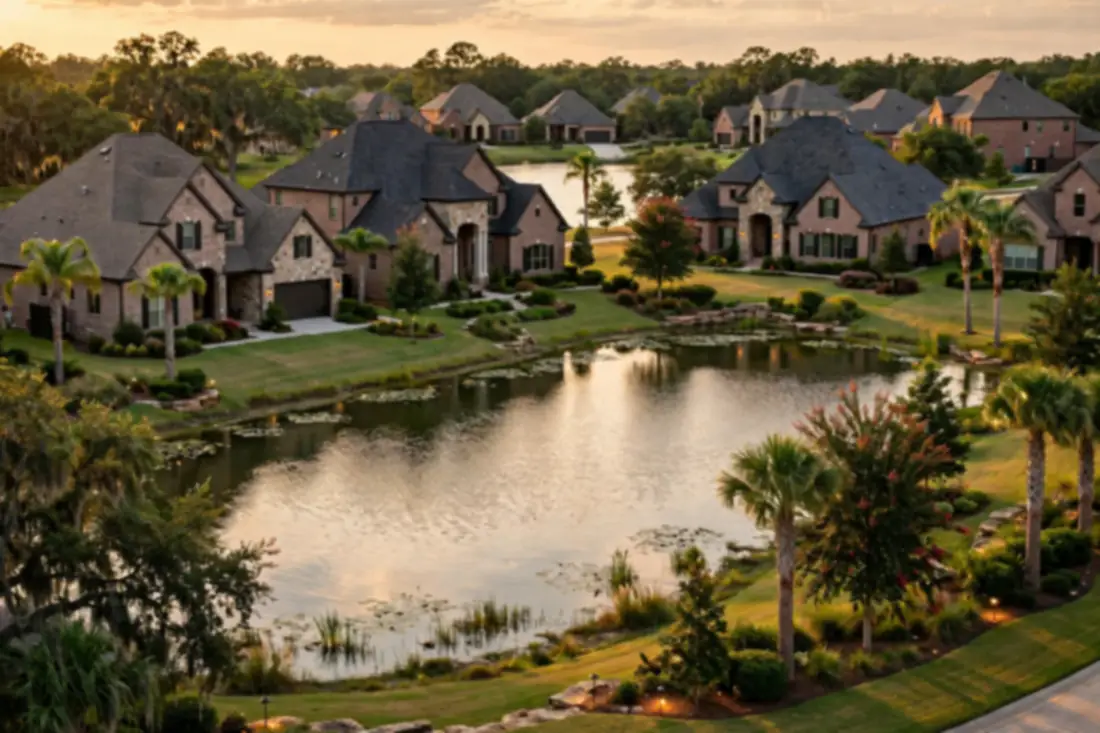
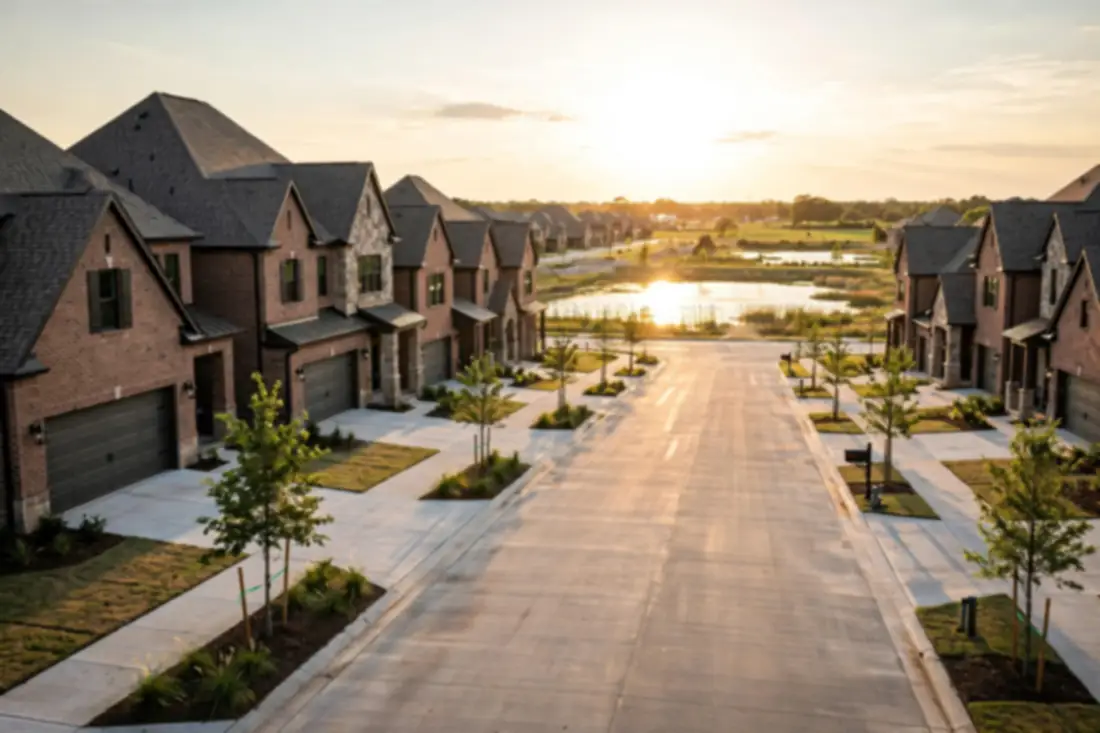
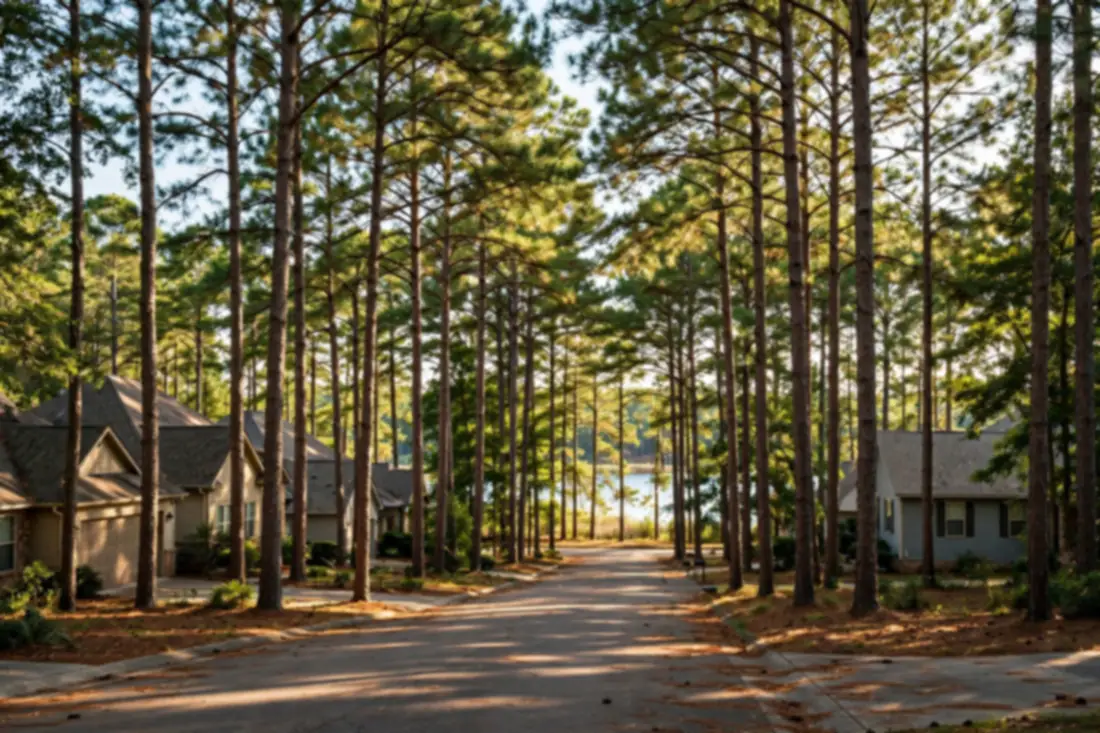
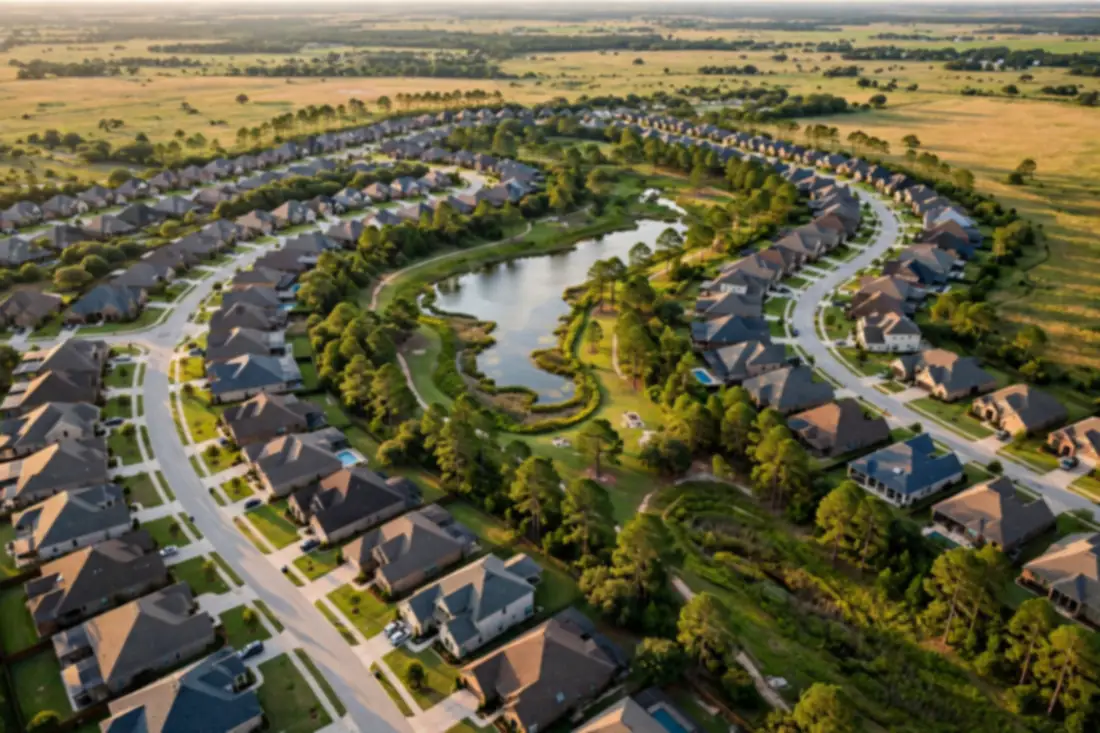
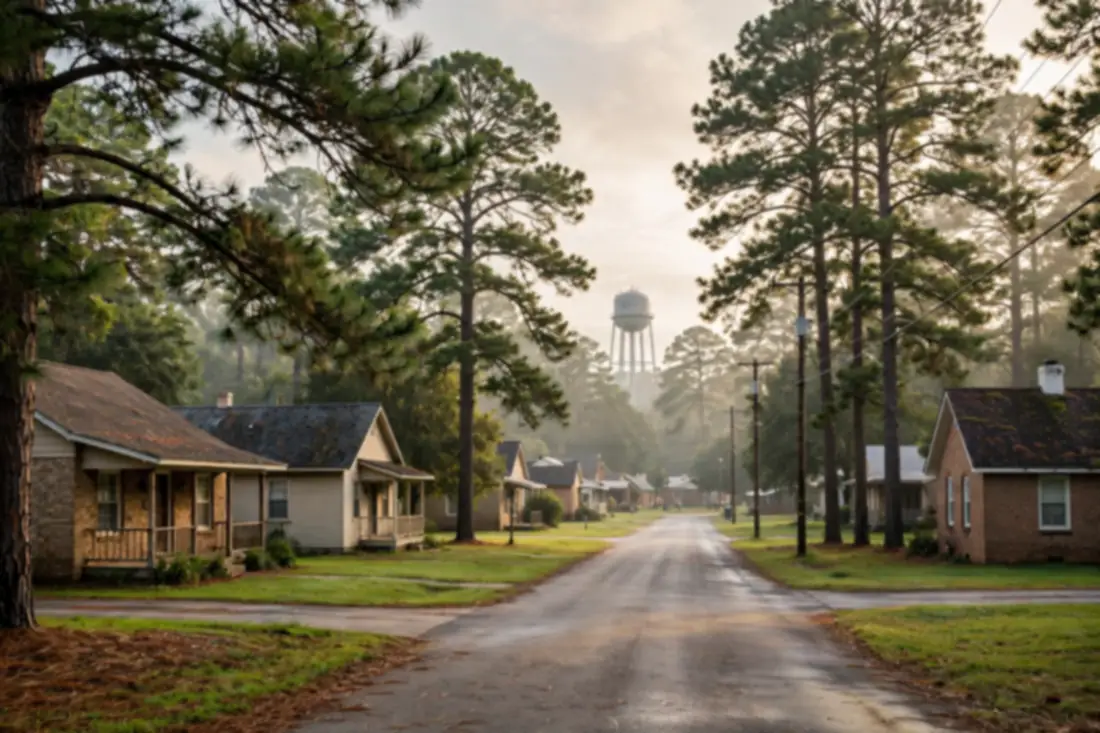
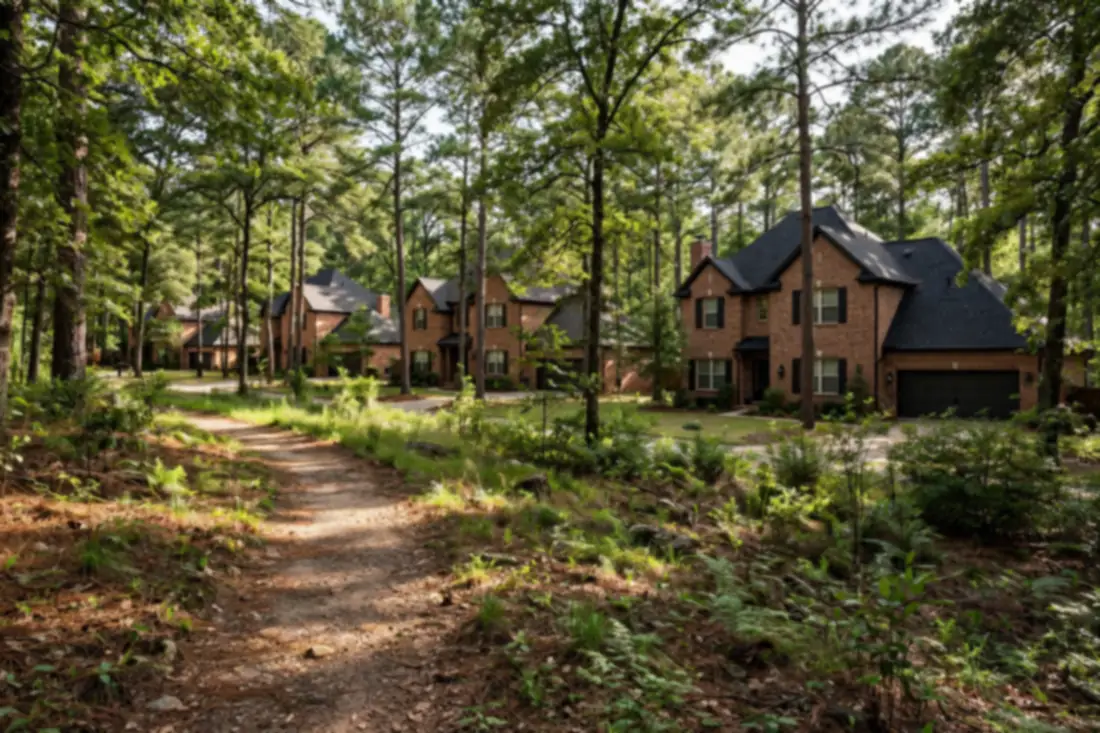
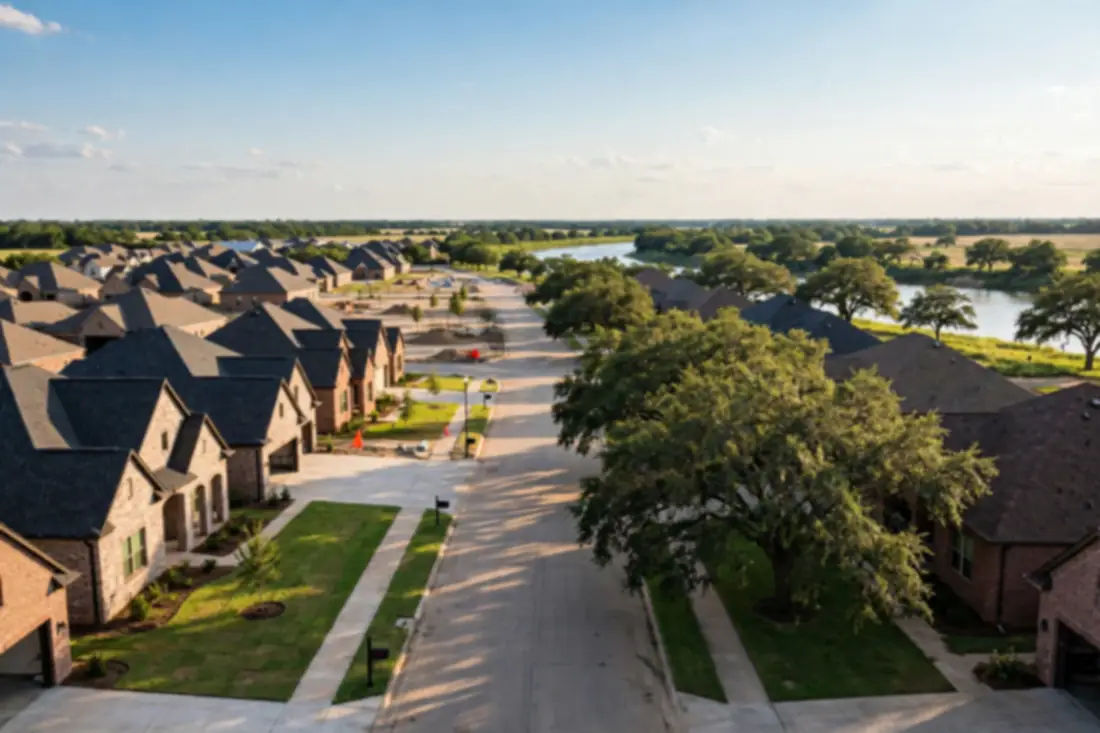
Katy is really two cities wearing one name. Old Katy, up by the railroad tracks and the rice dryers, is a small historic town of older homes on generous lots. Greater Katy — the vast master-planned sweep south and west of it, Cinco Ranch and Firethorne and Cross Creek Ranch and a dozen more — is one of the largest suburban communities in America, built largely from the 1990s forward in waves of brick two-stories with steep, complex roofs. Between them, the Katy area's covered ZIP codes hold well over three hundred thousand people and a roof stock that is aging in distinct, datable waves.
That wave structure drives the roofing work here. The 1990s Cinco Ranch and Green Trails roofs are deep into replacement territory; the 2000s Firethorne generation is in its decision decade; the newest Elyson roofs are in their maintenance years. One call to Houston Roofing Help connects Katy homeowners across all six covered ZIP codes — 77449, 77450, 77491, 77492, 77493, and 77494 — with a local roofing professional who knows which Katy a call is coming from before the ladder is loaded.
Neighborhoods: Cinco Ranch, Old Katy, Firethorne, Cross Creek Ranch, Elyson, Seven Meadows, Nottingham Country, Green Trails, Grand Oaks, Katy Mills area — and every street in the covered ZIP codes.
Master-planned suburbs roof in waves because they were built in waves. A whole section of Cinco Ranch received its roofs within a few building seasons, from a handful of builders using a handful of shingle lines — which means that section's seals, boots, and flashing all arrive at old age together, and the neighborhood's leak calls cluster the same way its roofs were installed. Roofers who work Katy read a street's building year like a diagnosis: they know which details a 1998 build is presenting this season, because they saw the same street's twin last month.
The practical consequence is planning power. In a wave suburb, your roof's condition is unusually predictable — the inspection can place it against its whole generation, and the maintenance calendar that works for your street is evidence-based in a way older, mixed neighborhoods cannot match.
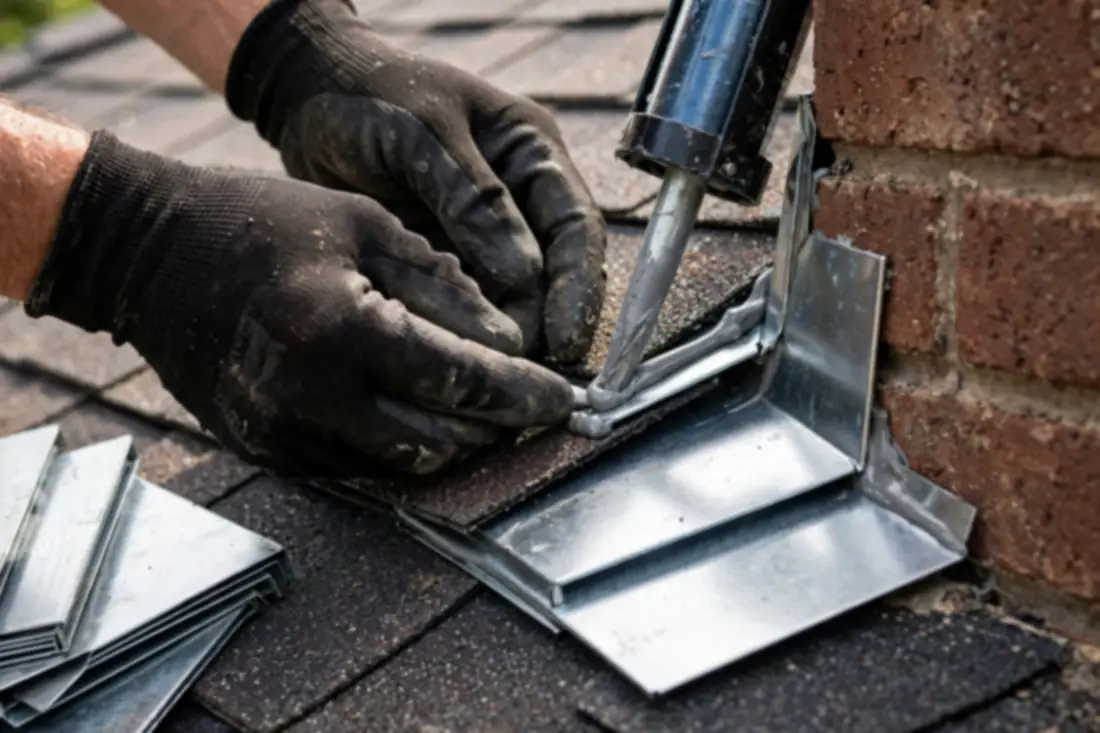
Katy's production builders worked to repeatable detail templates — the same vent layouts, valley styles, and flashing habits street after street. Roofers who know the template know where it weeps first.
Greater Katy's two-story brick homes carry big, steep, multi-plane roofs: hips, dormers, turrets, valleys in every direction. The work is detail-dense, and the scopes are sized and crewed accordingly.
The west side of the metro meets open prairie, and Katy's newer sections take storm wind with little to slow it. Seal integrity and edge details are read with that exposure in mind.
North of the tracks, the original town's ranch and traditional homes carry older decks, earlier materials, and addition joints from decades of growth — read on a different clock than the subdivisions.
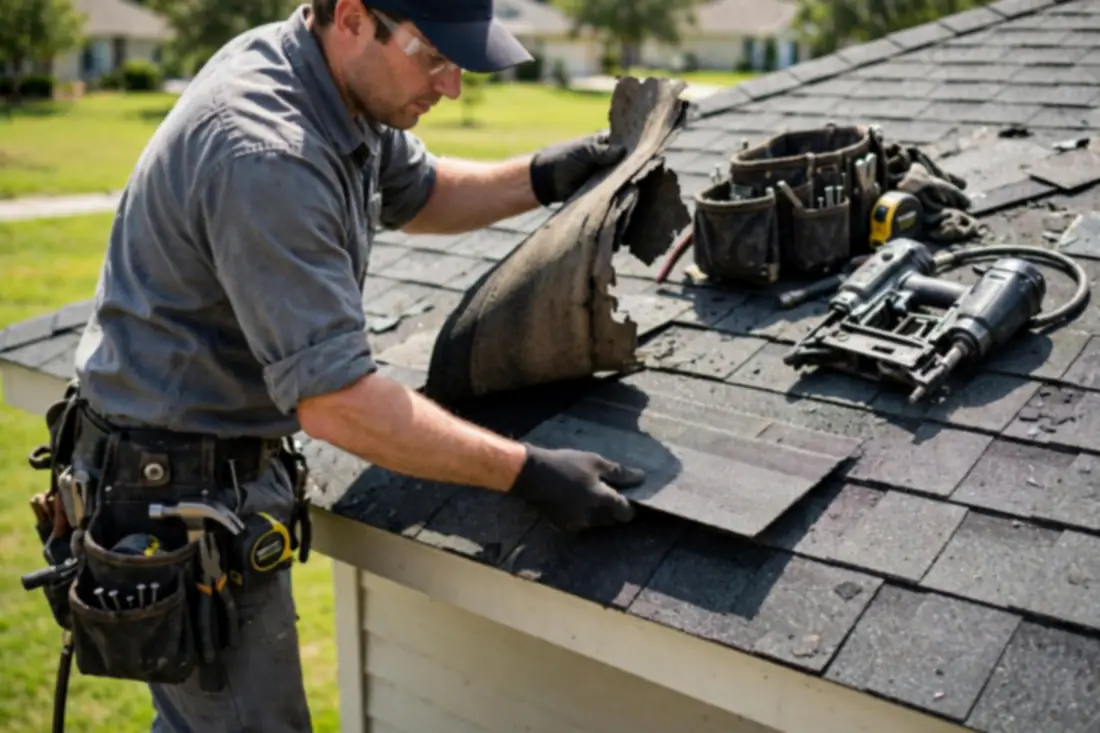
Targeted repairs for the failures Houston roofs actually develop — heat-curled shingles, cracked pipe boots, tired flashing, and storm-lifted edges caught before they reach the ceiling.
Explore Roof Repair →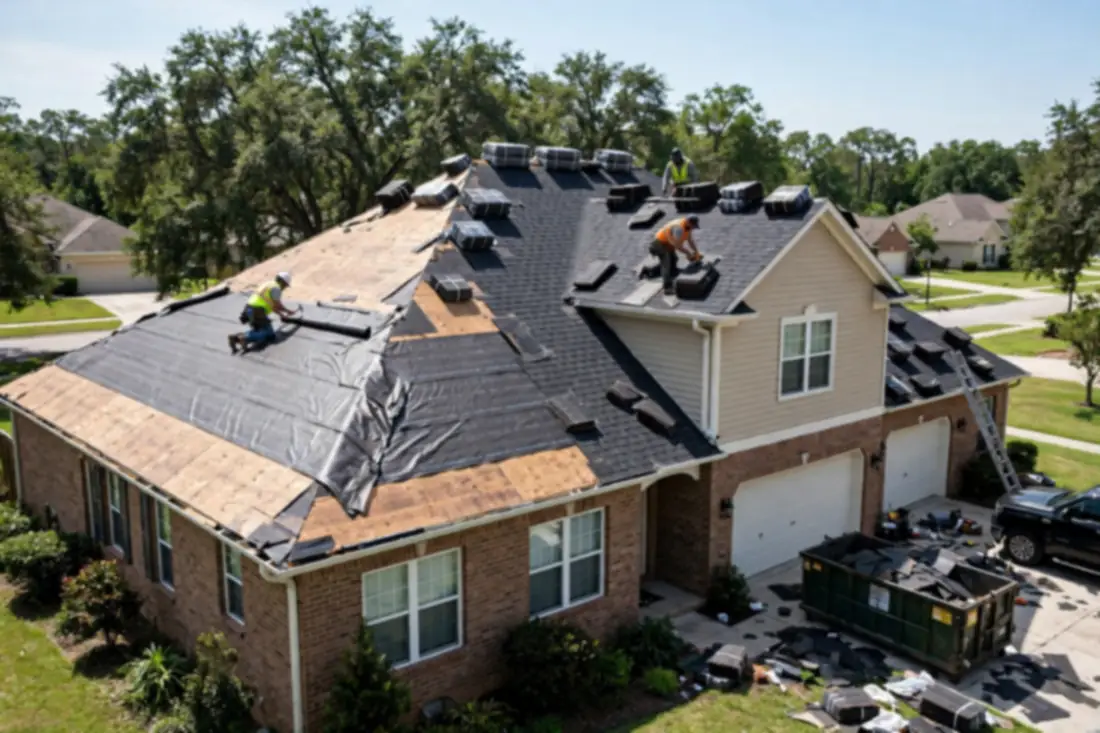
Full tear-off and re-roofing for Houston homes whose shingles have reached the end of their service life — deck inspection, modern underlayment, and a roof built for Gulf storms and Texas heat.
Explore Roof Replacement →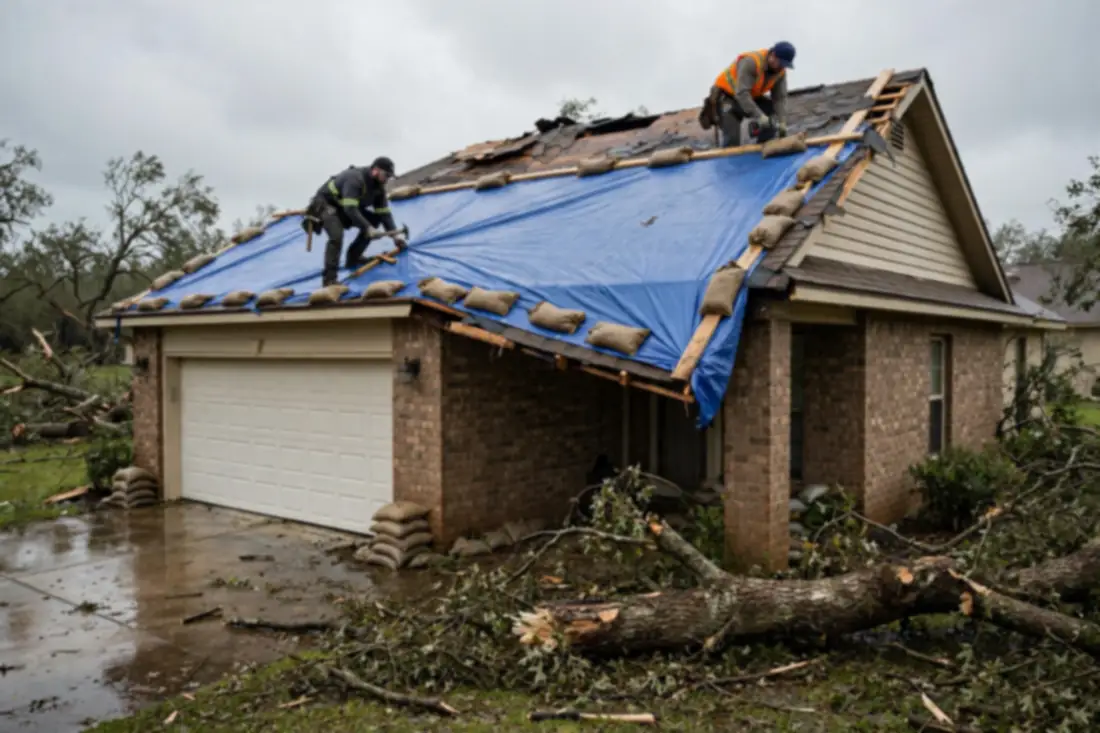
The storm-night service: roofs opened by wind, limbs, or sudden leaks made weather-tight fast — tarping, temporary sealing, and the permanent repair that follows.
Explore Emergency Roof Repair →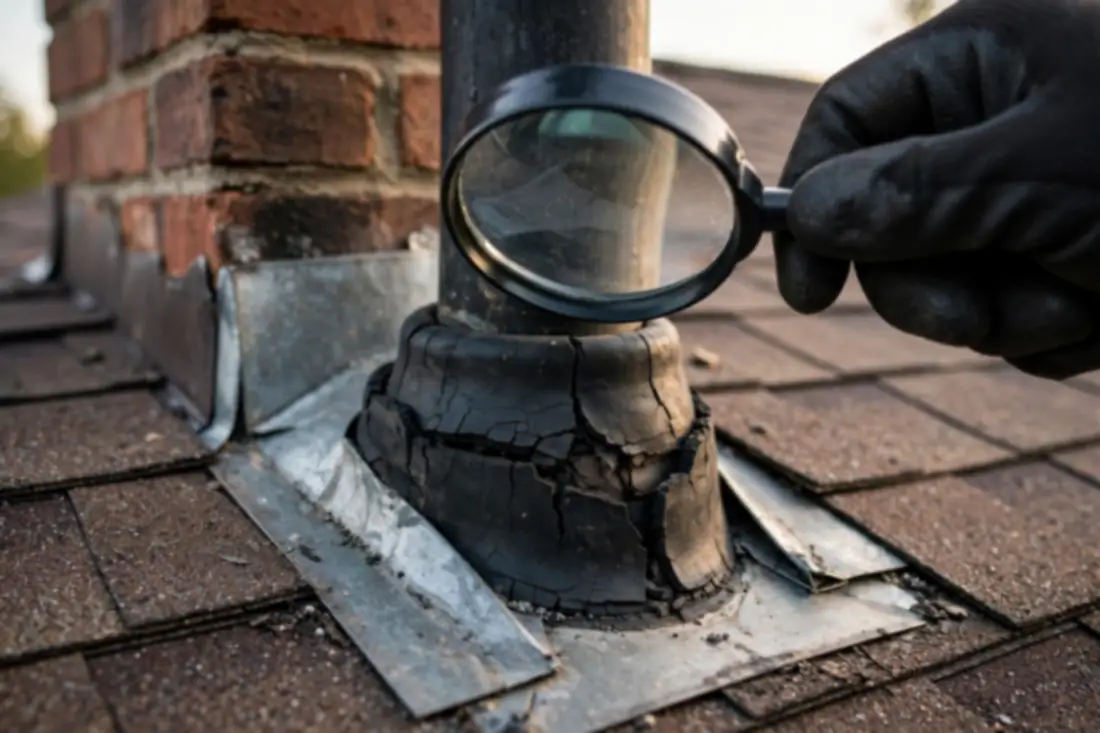
Attic-first leak detection for Houston homes — the stain traced to the failed boot, flashing, or seam above it, then repaired at the source layer, not at the symptom.
Explore Roof Leak Repair →
A full condition reading of your roof — surface, flashing, deck, attic, and ventilation — with photographs, findings by slope, and an honest remaining-life estimate in writing.
Explore Roof Inspection →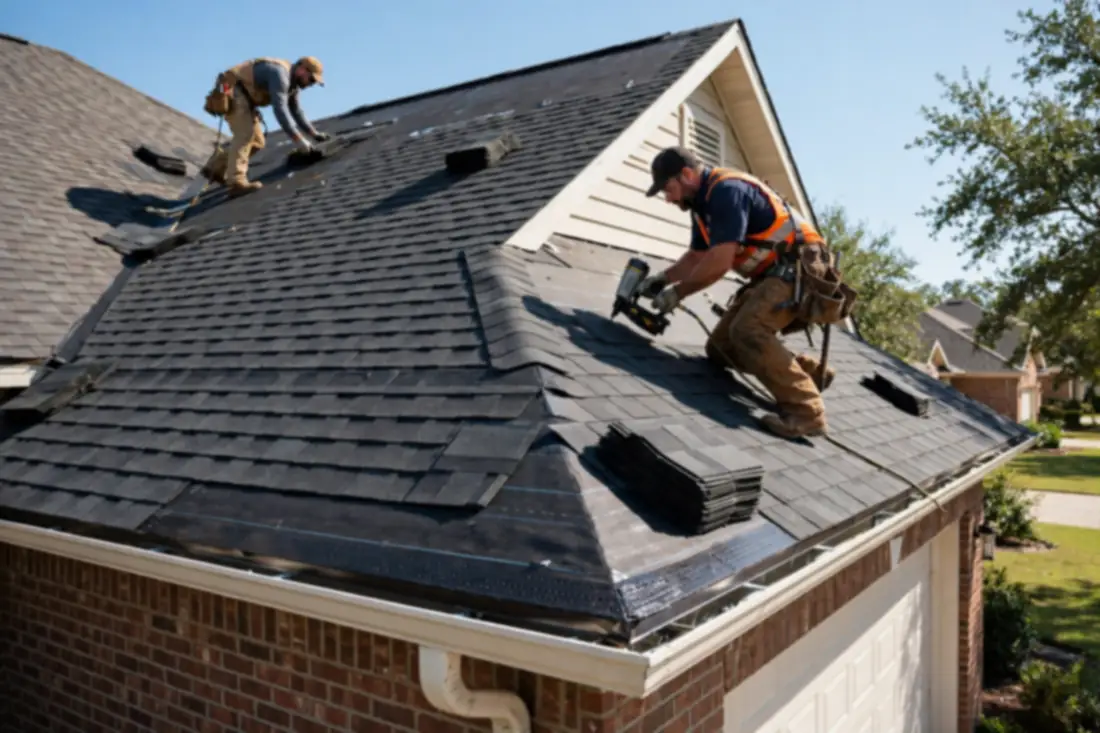
Architectural asphalt shingle roofing installed as a complete system — leak barrier, underlayment, flashing, and ventilation — matched to Houston heat, humidity, and storm wind.
Explore Shingle Roofing →
Membrane flat and low-slope roofing for Houston homes and additions — seams, drains, and ponding handled first, because flat roofs live or die by their drainage.
Explore Flat Roofing →
Standing seam and metal shingle roofing for Houston homes — panels detailed for Gulf wind, summer heat reflection, and decades of service with minimal upkeep.
Explore Metal Roofing →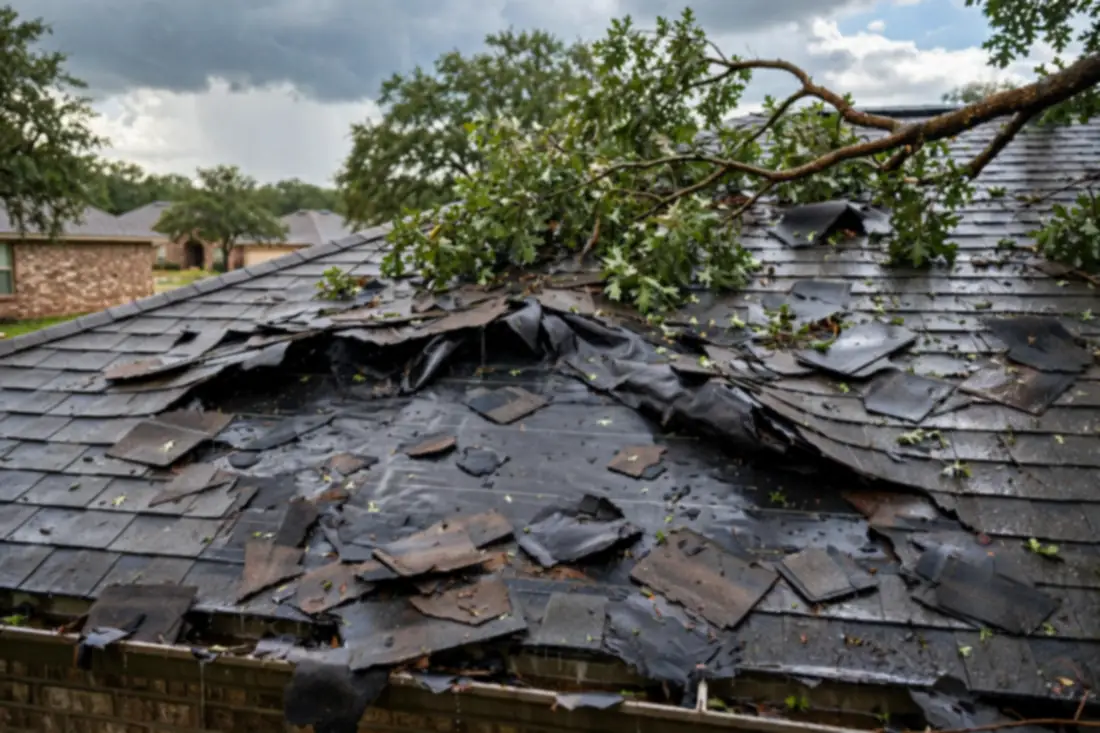
After the wind: storm-torn shingles, limb punctures, and lifted seals across Houston documented properly, stabilized, and repaired as a system — not just the hole you can see.
Explore Storm Damage Roof Repair →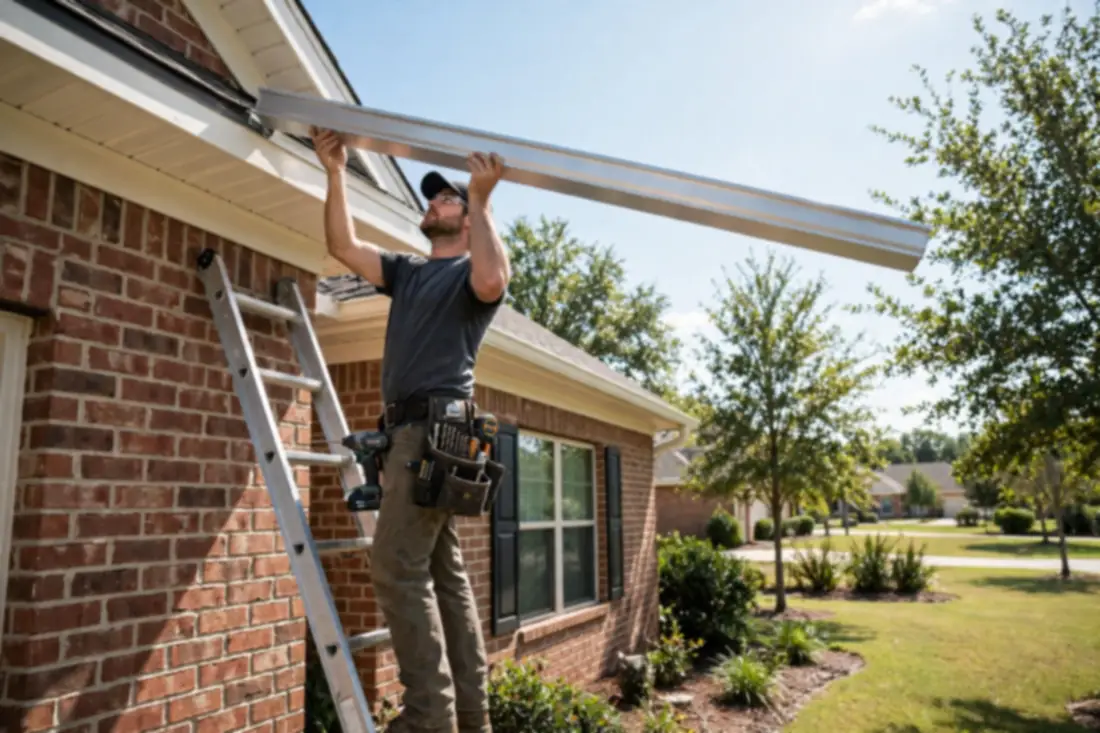
Seamless gutters sized to your roof and Houston's rain rates, pitched to actually drain, hung on sound fascia, and discharged well away from the foundation.
Explore Gutter Installation →Tell us what you are seeing — a leak, storm damage, an aging roof, a deadline. Your ZIP code confirms coverage and your description loads the right visit.
A local roofing professional reads the roof and the attic, photographs the findings, and explains them in plain language.
The work is set out in writing before it begins: what will be done, with what materials, and what happens if the deck holds surprises.
The project is completed as scoped, walked through with you, and documented for your home records.
A decision-decade reading: the field's granule and seal condition, the original detail set's state, and an honest remaining-life estimate. Most late-nineties Katy roofs are planning replacements or deep in targeted maintenance — the inspection says which, with photographs.
Because they were roofed at the same time, by the same builders, with the same materials. Subdivision roofs age as a generation. It is actually useful: your neighbors' experiences are genuine evidence about your own roof's timeline.
Six: 77449, 77450, 77491, 77492, 77493, and 77494 — Old Katy, Cinco Ranch, Firethorne, Cross Creek Ranch, Elyson, Seven Meadows, and every neighborhood between.
They change the logistics and the detail count: more valleys, more flashing runs, more safety rigging on the steep planes. The diagnosis discipline is the same — attic first, suspects in order — executed on a more complex roof.
Call as soon as it is safe and describe the damage precisely — active leak, section missing, limb down. During regional storms calls are triaged by severity. The line is staffed Mon–Fri 7 AM–10 PM, Sat 8 AM–10 PM, Sun 7 AM–9 PM Central.
Mon–Fri 7 AM–10 PM · Sat 8 AM–10 PM · Sun 7 AM–9 PM Central. Describe the roof; a local professional takes it from there.