Wear on every slope
Granule loss, curling, and brittleness showing across all faces of the roof — not one damaged area — mean the material itself is finishing, wherever you look.
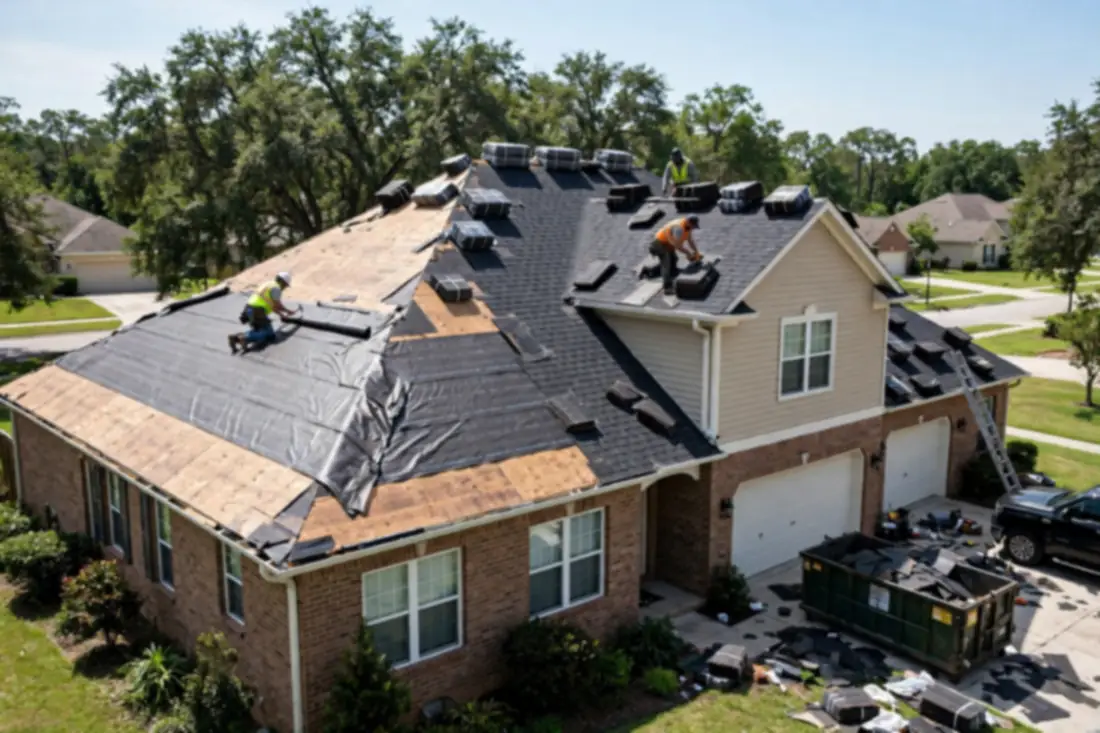
Full tear-off and re-roofing for Houston homes whose shingles have reached the end of their service life — deck inspection, modern underlayment, and a roof built for Gulf storms and Texas heat.
Every roof in Houston is on a clock that runs faster than the calendar. The sun bakes the surface past 150 degrees on summer afternoons, humidity sits in the attic, and storm seasons arrive with wind that tests every seal. When the shingles themselves — not one detail, but the material across the slopes — reach the end of their service life, repairs stop being answers and become installments. Roof replacement is the work that resets the clock: full tear-off, deck inspection and correction, modern underlayment, and a new roof system installed as one integrated whole.
A replacement is also the one moment a homeowner gets to fix everything at once — the ventilation that cooked the old roof, the flashing details that were always marginal, the valley linings worn thin. The local roofing professionals in this network treat it that way: not as a bigger repair, but as the roof's next twenty-year foundation, scoped in writing before the first shingle comes off.
The ProblemWhen the wear surface is spent across the slopes, no repair restores it — the material itself is the problem, everywhere at once.
 The Fix
A replacement is a system rebuild — each layer answers a specific failure of the old roof:
Granule loss, curling, and brittleness showing across all faces of the roof — not one damaged area — mean the material itself is finishing, wherever you look.
A leak fixed at the chimney in spring, a new one at the valley by fall, another over the garage next year: the pattern, not any single leak, is the diagnosis.
Houston heat shortens shingle life. An asphalt roof past twenty years in this climate has usually spent its service, however tidy it looks from the street.
Multiple bays of stained decking, soft spots at the eaves, and light showing at joints mean the failures have been structural news for a while.
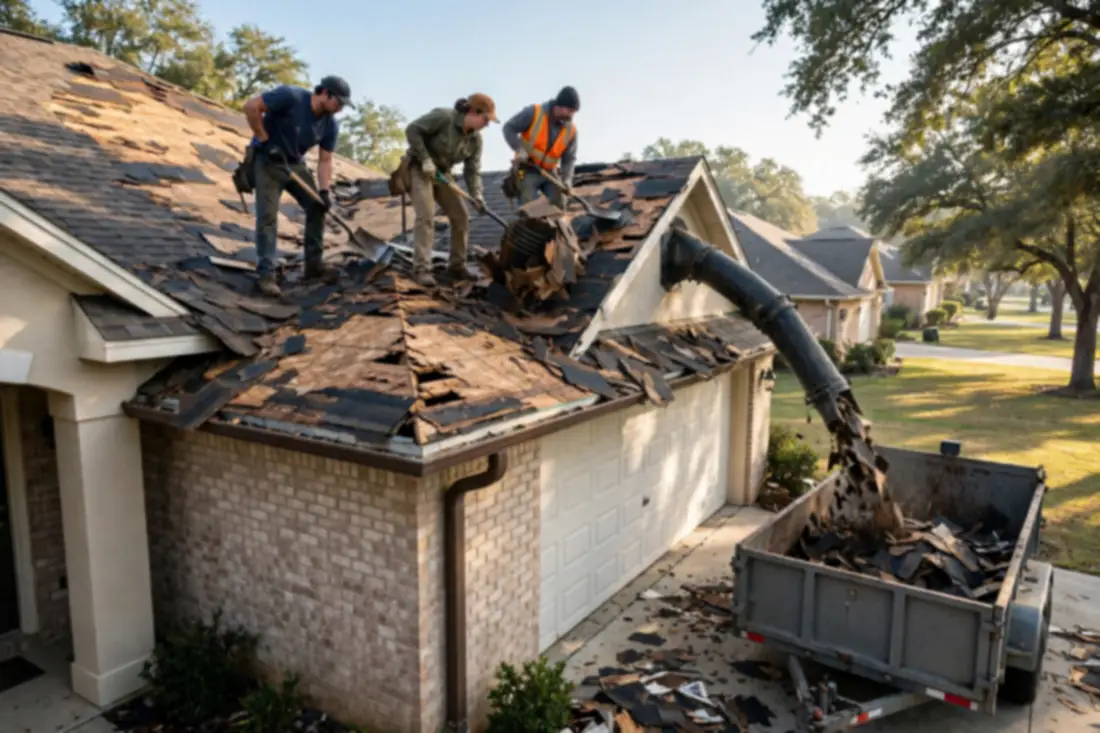
Replacement begins with removal — all of it. Old shingles and underlayment come off down to the bare deck, because the deck is the one part of the roof that can only be judged with the surface gone. Rotten sections are cut out and replaced, fasteners are checked, and the true condition of the roof's skeleton is documented with photographs before anything covers it again.
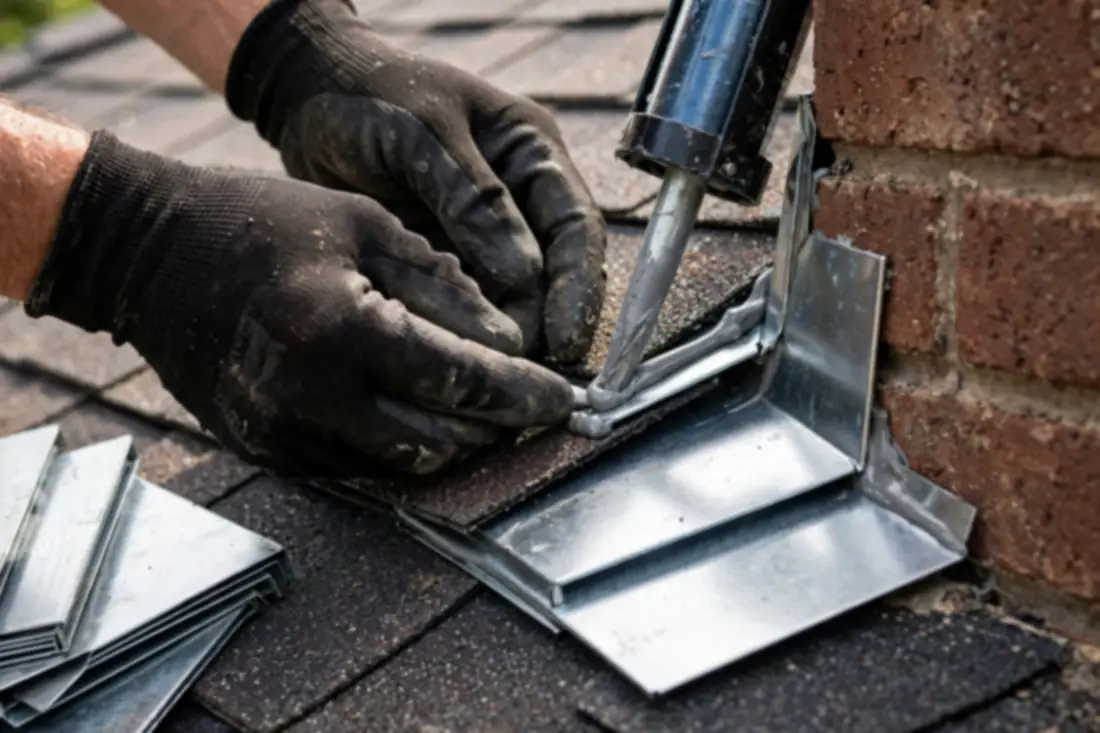
Then the new system assembles in order: leak barrier at the eaves, valleys, and penetrations; synthetic underlayment across the field; drip edge at the perimeter; starter courses; the shingle field itself; flashing rebuilt at every chimney, wall, and vent as the field reaches it; and a ridge finished with proper ventilation. Each layer is a decision the old roof never got to revisit — which is why a replacement done as a system outlasts one done as a surface.
Scheduling a Houston replacement is a weather discipline of its own. Crews watch the Gulf forecasts honestly: a tear-off is never opened into a rainy window, summer work starts early to beat the worst of the heat, and hurricane season adds a hard rule — no roof gets opened when a tropical system is anywhere near the Gulf. A roofer who would rather move your date than gamble with your open deck is protecting you, not delaying you.
Material choices here answer local questions. Architectural shingles with strong sealant bonds answer the wind. Algae-resistant granules answer the black streaks that humidity paints on north slopes. Ventilation sized for a Texas attic answers the heat that cooked the previous roof from below. Your written scope should name these choices and the reasoning, in plain language, before work begins.
Years of slow leaks leave rot that only a tear-off exposes. Replacement is the moment it is found, documented, and corrected.
Attics that trap Texas heat age shingles from underneath and push cooling loads up all summer. Replacement is when airflow gets fixed properly.
Layers of patches, mismatched sections, and sealant archaeology make a roof impossible to maintain as a system. A clean tear-off ends the patchwork.
A replacement is a system rebuild — each layer answers a specific failure of the old roof:
Materials, layers, flashing work, ventilation, and the agreed policy for deck surprises — named in writing, with samples chosen at your house in daylight.
The old roof off, the deck inspected bay by bay, rot replaced and photographed, and the house dried-in the same day — never left open to the sky overnight.
Leak barrier, underlayment, drip edge, starter, field, flashing, and ridge — assembled in sequence by the crew that scoped it.
Debris hauled, gutters cleared of grit, grounds swept with magnets for nails, and your paperwork bundle — materials, photos, permit records — handed over at the walkthrough.
A new roof should disappear from your mind — that is its job. Keep the documentation bundle with your home records: materials used, scope as built, deck photographs, and permit paperwork. It serves the next service call, an eventual sale, and your own memory of exactly what is over your head.
The maintenance rhythm is light but real: valleys and gutters cleared, overhanging limbs kept back, and a professional look after any major storm. The roofer's walkthrough notes will name the details worth watching on your specific roof — a particular valley, a shaded slope — and those notes are worth keeping with the bundle.
A second layer hides the deck, traps heat, and inherits every failure beneath it. In this climate, a cover-over spends the new roof's life paying the old roof's debts.
Shingle color and style are the visible tenth of a replacement. The underlayment, leak barrier, flashing, and ventilation choices decide how the roof ages.
If attic heat helped kill the old roof, a new roof over the same attic dies the same death on a shorter clock. The scope must answer the heat, not just the surface.
Opening a roof with tropical weather in the Gulf is a gamble with your whole house as the stake. Honest scheduling waits for a clean window.
Debris dams in valleys hold moisture against the new surface. A twice-yearly clear-out is the simplest life-extension a roof can get.
Branches that brush shingles in storm wind strip granules and, in the big blow, become the limb through the roof. Keep them trimmed back.
After any major Houston storm, walk the yard and the attic. Early eyes on small damage keep the new roof's record clean and its details tight.
The roofer reads the roof and the attic, photographs the findings, and sets the full scope in writing — materials, layers, contingencies — before you commit.
A start date is chosen against an honest forecast window, with materials delivered and the site prepared a day or two ahead.
Old roof off, deck corrected, new system assembled layer by layer. Most Houston homes complete in one to three working days.
The roof walked end to end, details pointed out, documentation handed over — and the quiet of rain on a roof you no longer think about.
That is exactly what the diagnosis is for. Describe what you are seeing and a local roofer will read the roof and tell you which service the evidence supports — in writing.
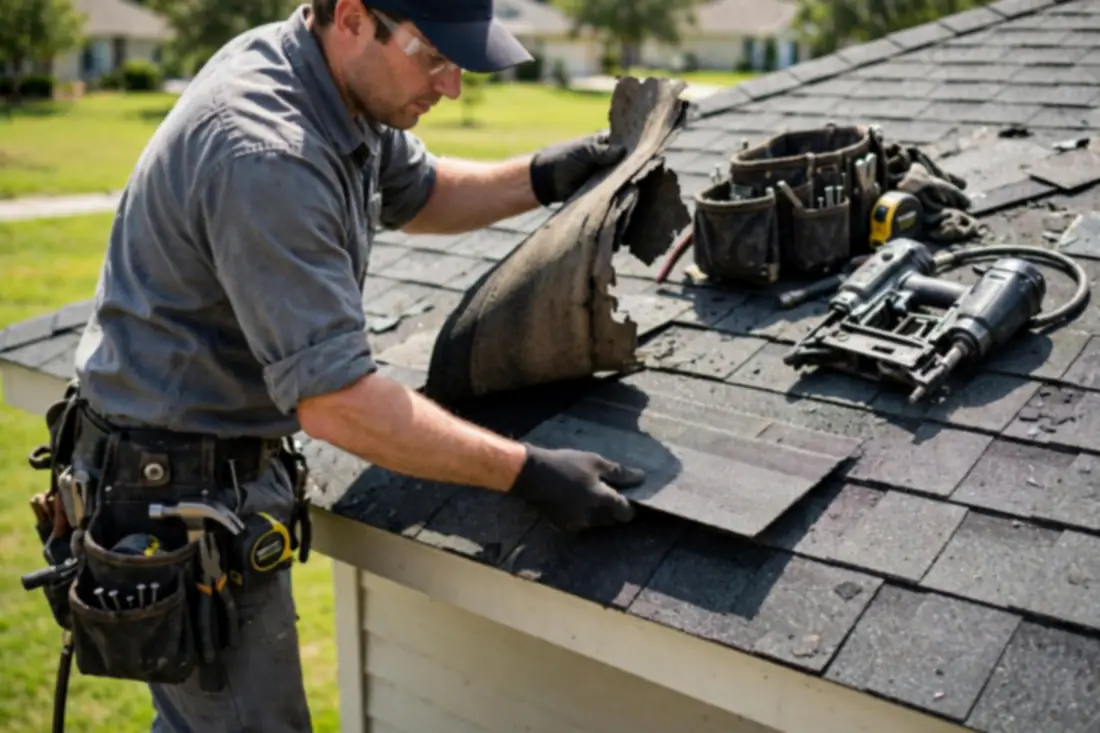
Targeted repairs for the failures Houston roofs actually develop — heat-curled shingles, cracked pipe boots, tired flashing, and storm-lifted edges caught before they reach the ceiling.
Explore Roof Repair →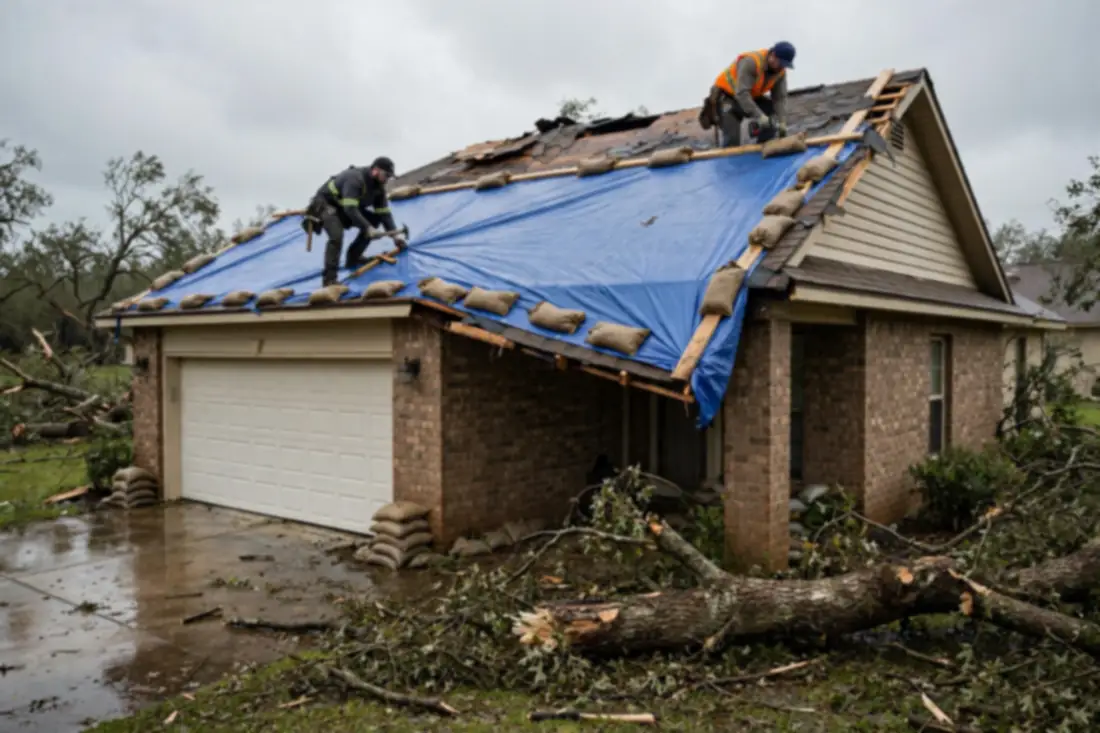
The storm-night service: roofs opened by wind, limbs, or sudden leaks made weather-tight fast — tarping, temporary sealing, and the permanent repair that follows.
Explore Emergency Roof Repair →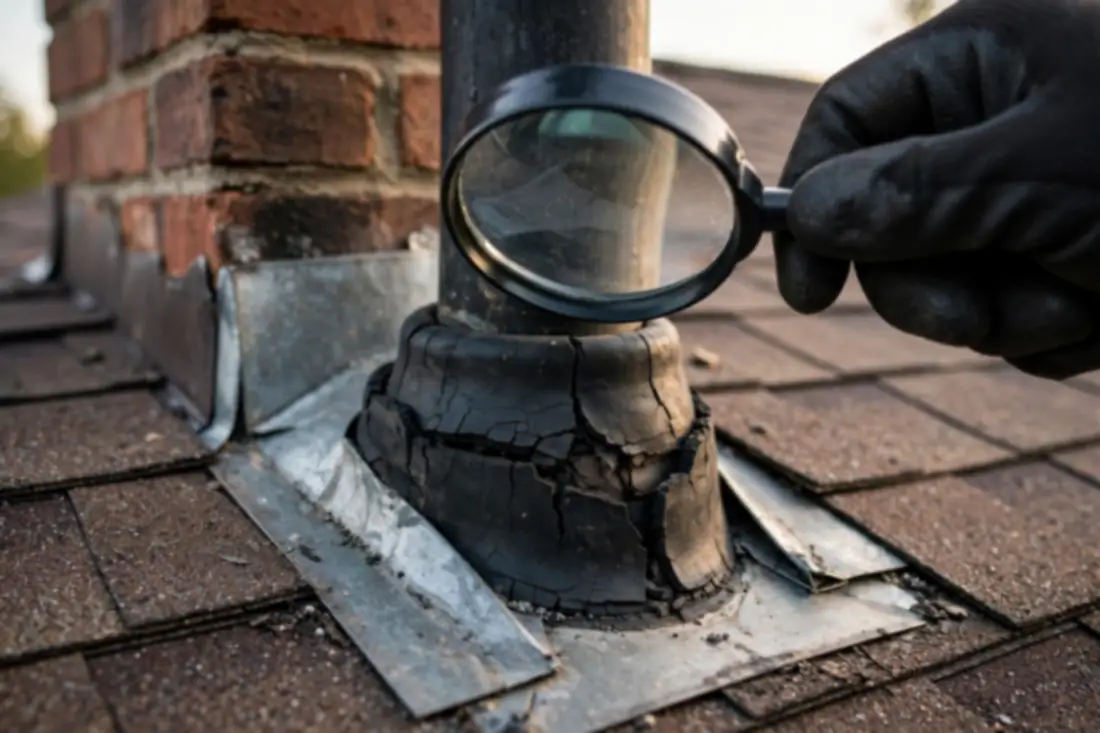
Attic-first leak detection for Houston homes — the stain traced to the failed boot, flashing, or seam above it, then repaired at the source layer, not at the symptom.
Explore Roof Leak Repair →
A full condition reading of your roof — surface, flashing, deck, attic, and ventilation — with photographs, findings by slope, and an honest remaining-life estimate in writing.
Explore Roof Inspection →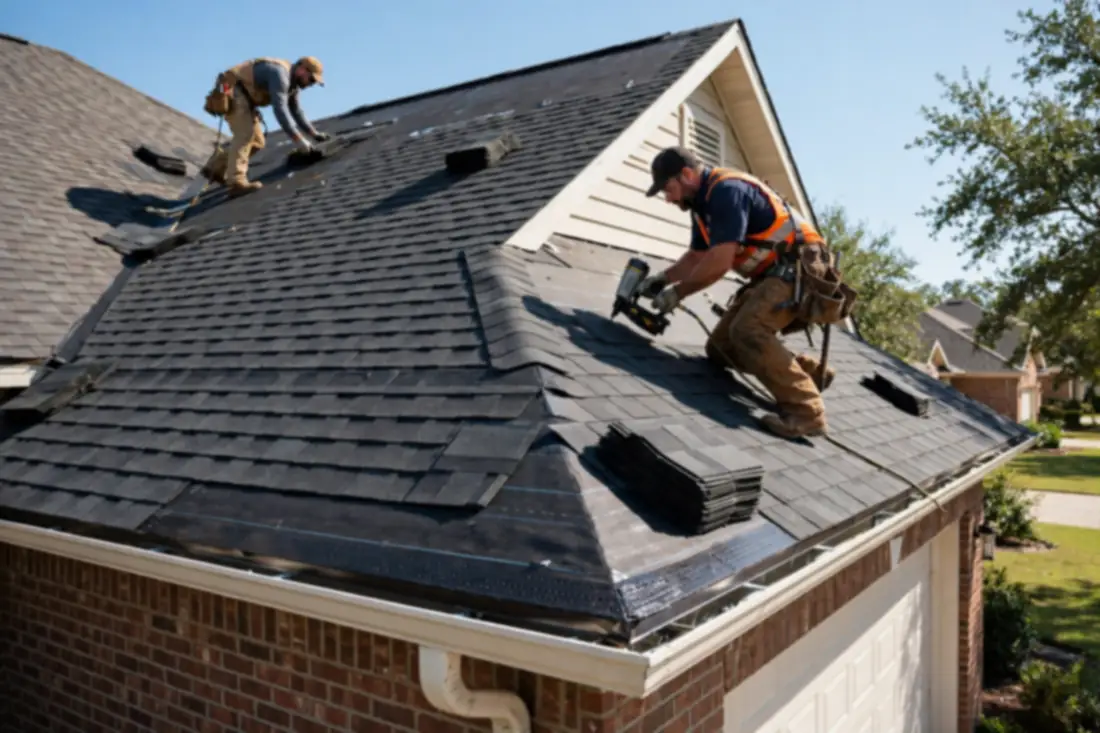
Architectural asphalt shingle roofing installed as a complete system — leak barrier, underlayment, flashing, and ventilation — matched to Houston heat, humidity, and storm wind.
Explore Shingle Roofing →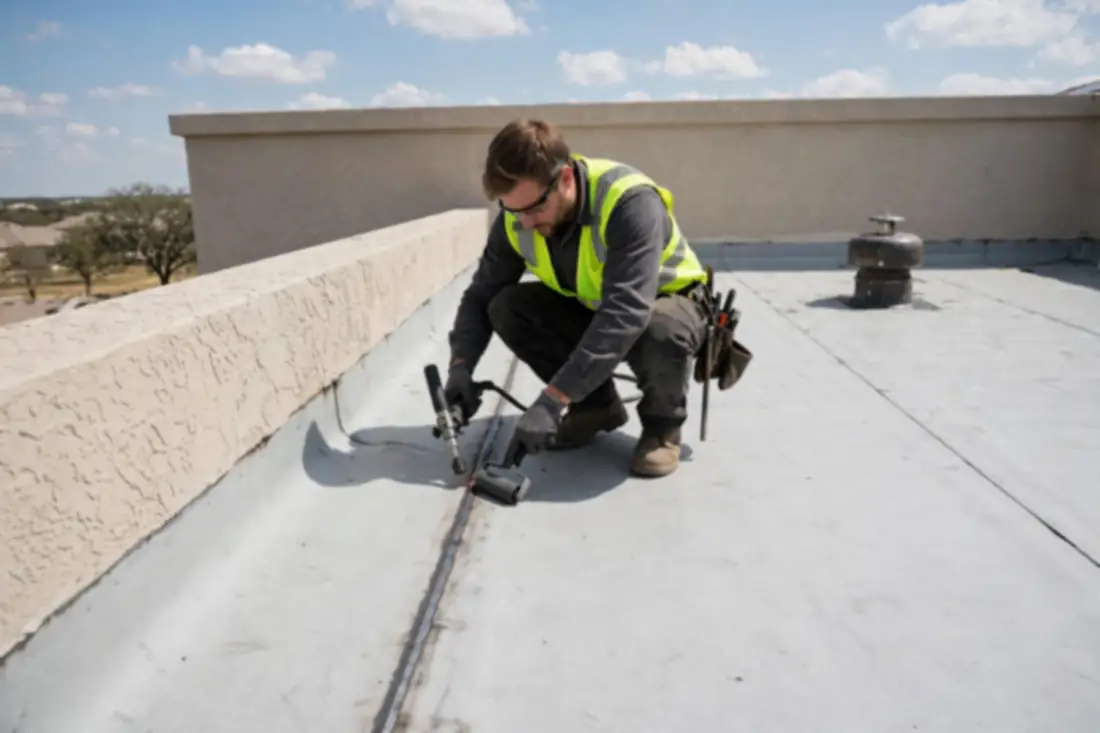
Membrane flat and low-slope roofing for Houston homes and additions — seams, drains, and ponding handled first, because flat roofs live or die by their drainage.
Explore Flat Roofing →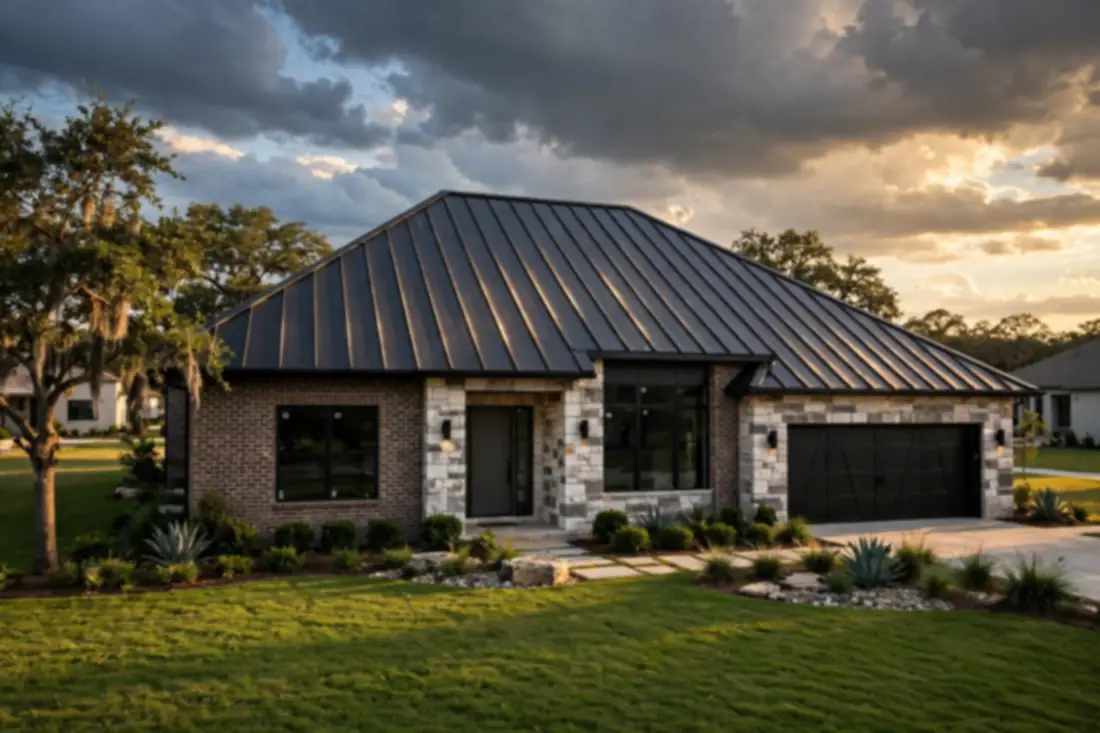
Standing seam and metal shingle roofing for Houston homes — panels detailed for Gulf wind, summer heat reflection, and decades of service with minimal upkeep.
Explore Metal Roofing →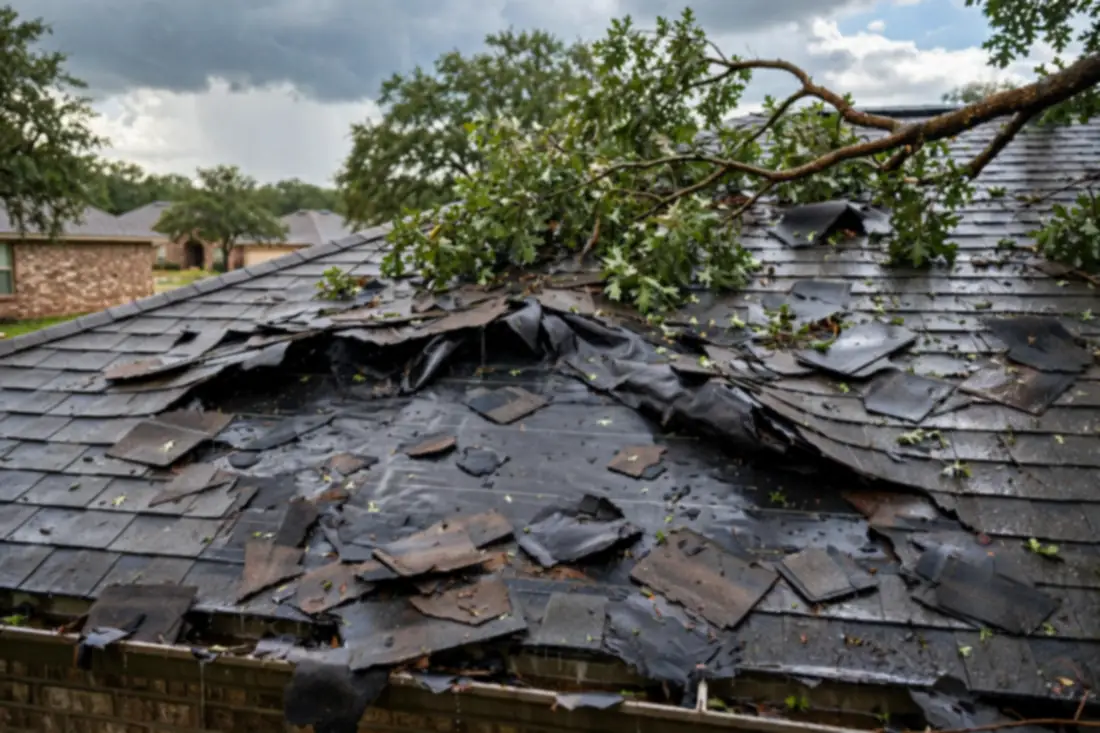
After the wind: storm-torn shingles, limb punctures, and lifted seals across Houston documented properly, stabilized, and repaired as a system — not just the hole you can see.
Explore Storm Damage Roof Repair →
Seamless gutters sized to your roof and Houston's rain rates, pitched to actually drain, hung on sound fascia, and discharged well away from the foundation.
Explore Gutter Installation →One to three working days for most Houston homes once work begins — tear-off and dry-in on day one, installation following. Large, steep, or complex roofs take the longer end, and weather pauses are normal and honest.
No — most families stay. Plan around the noise on tear-off day, especially for pets, small children, and anyone working from home, and keep clear of ladders and the work zone at all times.
It is replaced as part of the job, under the policy your written scope set in advance: photographed, shown to you, and accounted transparently. Discovering it is the tear-off doing its job.
In this climate, no. A tear-off exposes the deck — the one part of the roof that cannot be judged any other way — and lets every layer of the new system start honest. A cover-over hides exactly the problems a replacement exists to fix.
Many area cities and neighborhoods require permits or approvals for a full re-roof, and associations often have material and color rules. The professional who takes on your project handles the permit where required and confirms association rules before samples are chosen.
Mon–Fri 7 AM–10 PM · Sat 8 AM–10 PM · Sun 7 AM–9 PM Central. One call connects you with a local roofing professional.