Hurricane season in Houston runs June through November, and your roof experiences it as a series of examinations: every tropical system, every stalled thunderstorm, every derecho-style line of wind asks the same questions of your seals, your edges, and your trees. The good news is that the examination is open-book. Almost everything a Gulf storm will test can be read, and most of it corrected, on a calm spring weekend — which is exactly what this checklist is for.
Work it in order: the roof's surface, its details, its drainage, its trees, and finally its paperwork. Nothing on this list requires a ladder for the homeowner's half — the roof work belongs to professionals — but the eyes, the photographs, and the phone calls are yours, and they are the difference between a storm that becomes a story and a storm that becomes a season.
The Surface: Read It From the Ground
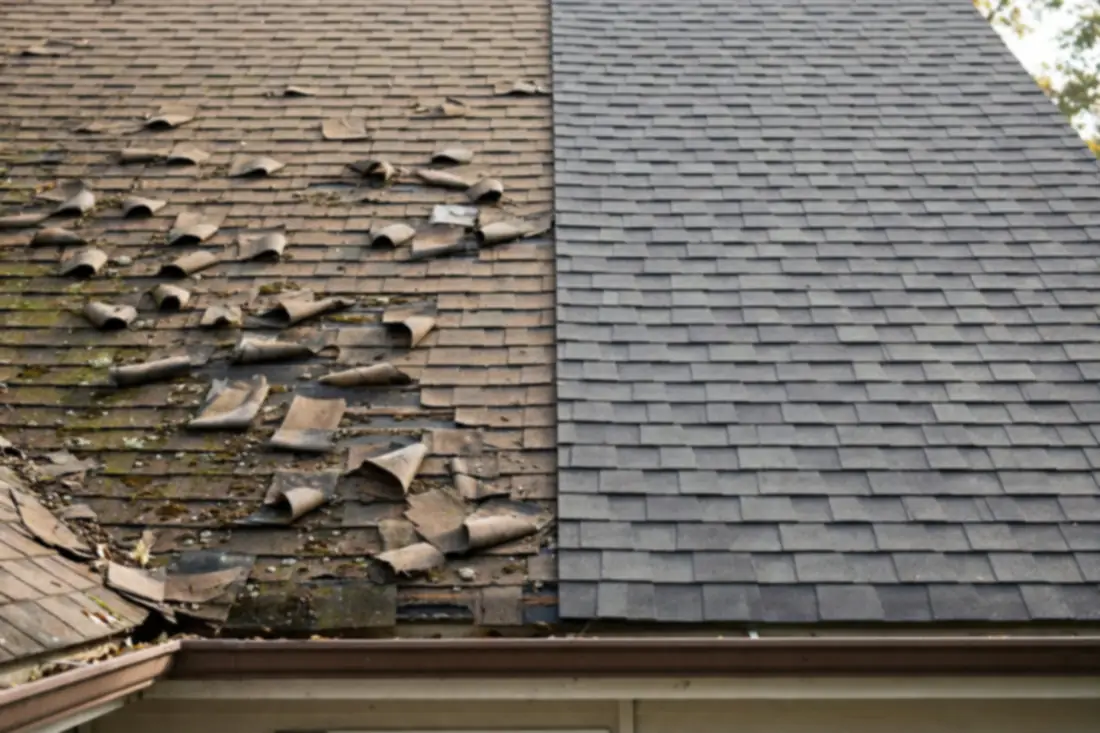
Walk the property with binoculars on a bright day and read each slope slowly. You are looking for the storm's future handholds: shingle edges lifted or curled, pieces missing, sections that sit differently from their neighbors, ridge caps that look displaced. Check the yard and the gutters' discharge points for what the roof has already shed — granule piles at the downspouts, fragments after the last ordinary storm. A roof that sheds pieces in May rain is telling you its June plans.
Photograph every slope from its clearest ground angle. These calm-day photographs are the 'before' half of your storm file — impossible to create after the event — and they make any post-storm inventory faster and more honest, for you and for every professional who reads them.

The Details: Boots, Flashing, and Valleys
Storms do not usually tear sound roofs apart; they exploit aging details. The pipe boots on a Texas roof crack in the sun on a ten-to-fifteen-year clock. Flashing sealant at chimneys and walls works loose under heat cycling. Valleys — the roof's busiest water channels — collect the debris dams that turn a heavy rain inward. A pre-season professional visit that renews the boot set, reseals the flashing family, and clears the valleys closes the exact doors the season knocks on.
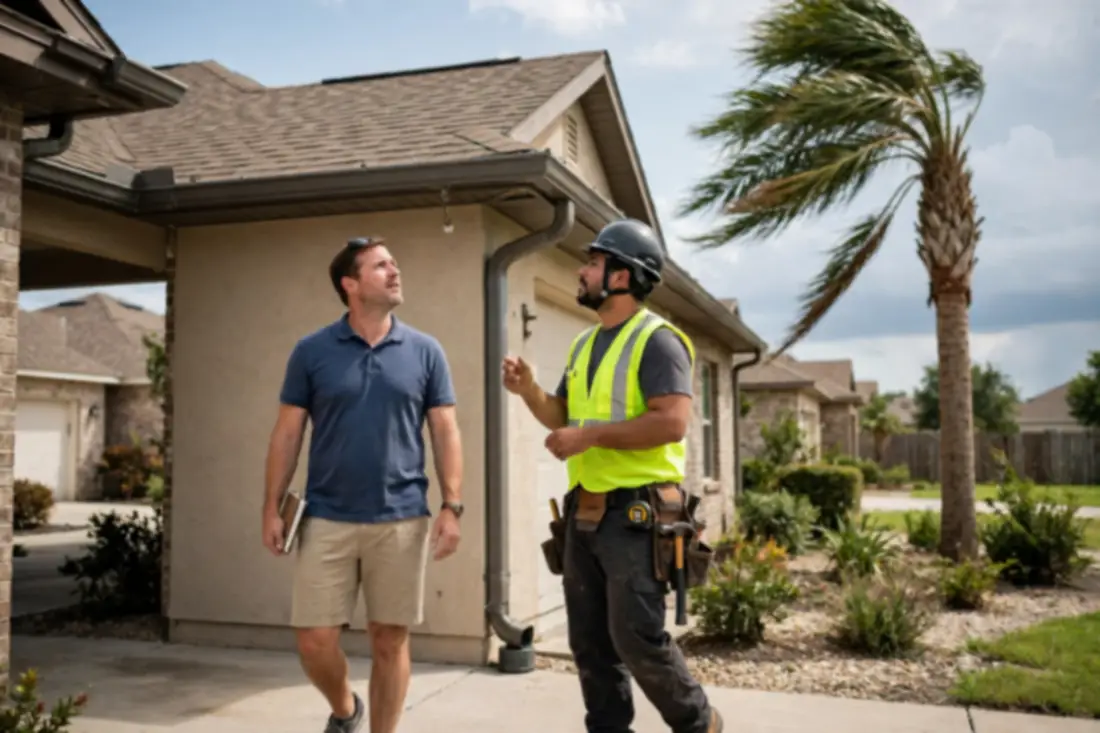
This is the highest-value appointment in Houston roof ownership, and its timing is the point: in April it is maintenance, scheduled calmly. In the week after a landfall, the same findings are storm damage, queued behind every opened roof in the metro.
The Drainage: Gutters, Valleys, and the Ground
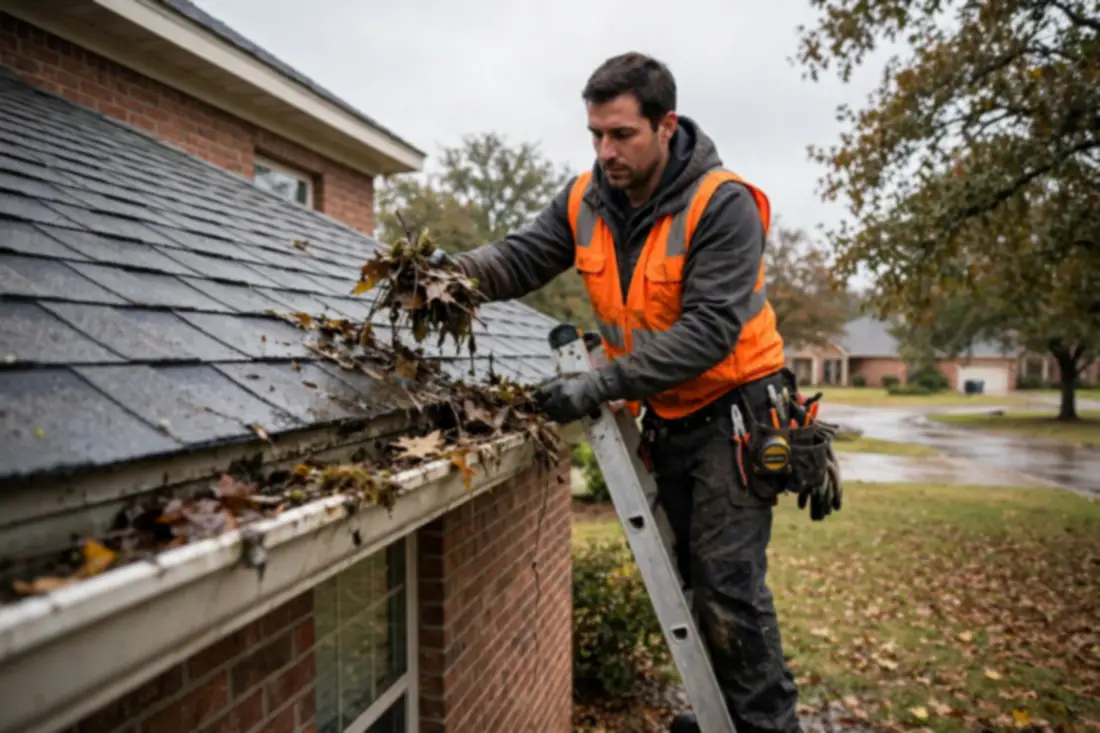
A hurricane delivers water faster than any other event in the roof's life, and the system that receives it — valleys, gutters, downspouts, and the ground they discharge onto — has to be clear before the sky opens. Clear the channels and the gutter runs; confirm the downspouts run clear; check that extensions and drains carry water away from the foundation rather than ponding it at the wall. Under pine and oak canopy, treat this as a May appointment with a September repeat.
Walk the discharge path with a hose if the season has been dry: you are rehearsing the storm's water journey in miniature, and any backup you find at garden-hose rates is a flood at Gulf rates.
The Trees and the Paperwork
The limb over your roof is the storm's most reliable weapon. Walk the canopy with the roof in mind: dead wood over slopes, limbs in contact with the surface, branches whose fall line crosses the house. A trimming visit before the season — respecting any community rules on protected trees — removes the impact chapter from your storm story. What remains is wind and water, which a maintained roof is built to answer.
Finally, the file: your last inspection report, the roof's age and materials, any repair records, and this spring's photographs, kept together where you can reach them. After a major storm, the homeowner with a file gets the precise scope, the clean documentation, and the calm conversation. The season rewards the prepared in paperwork as much as in shingles.