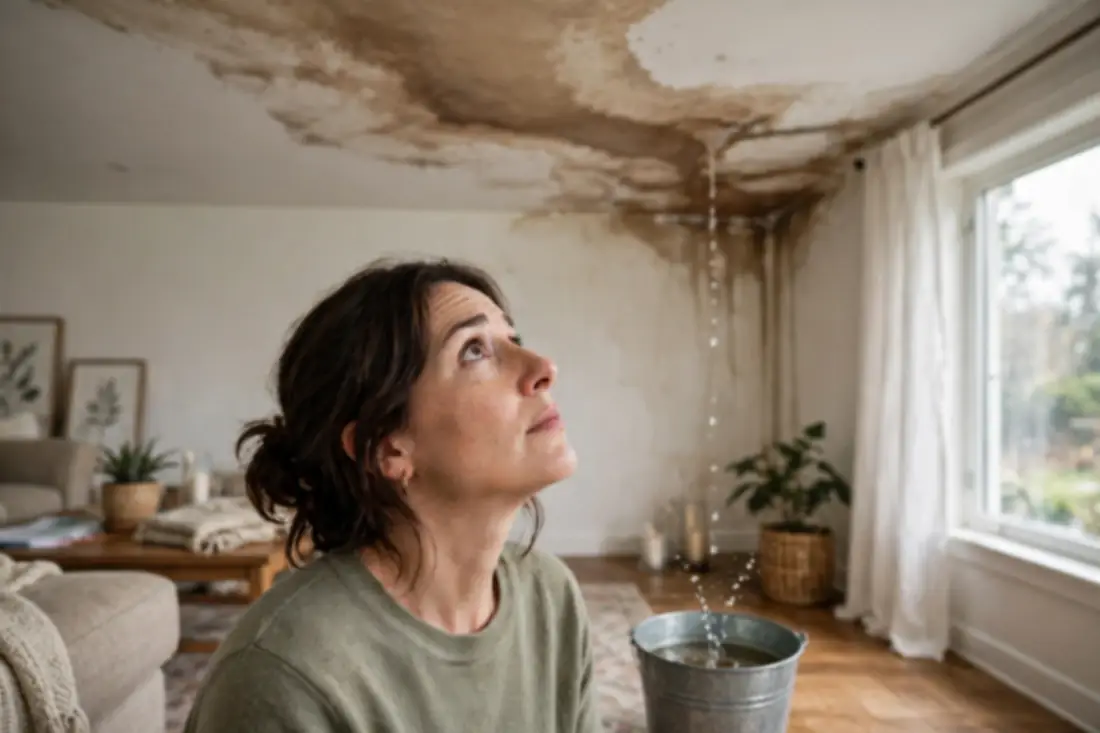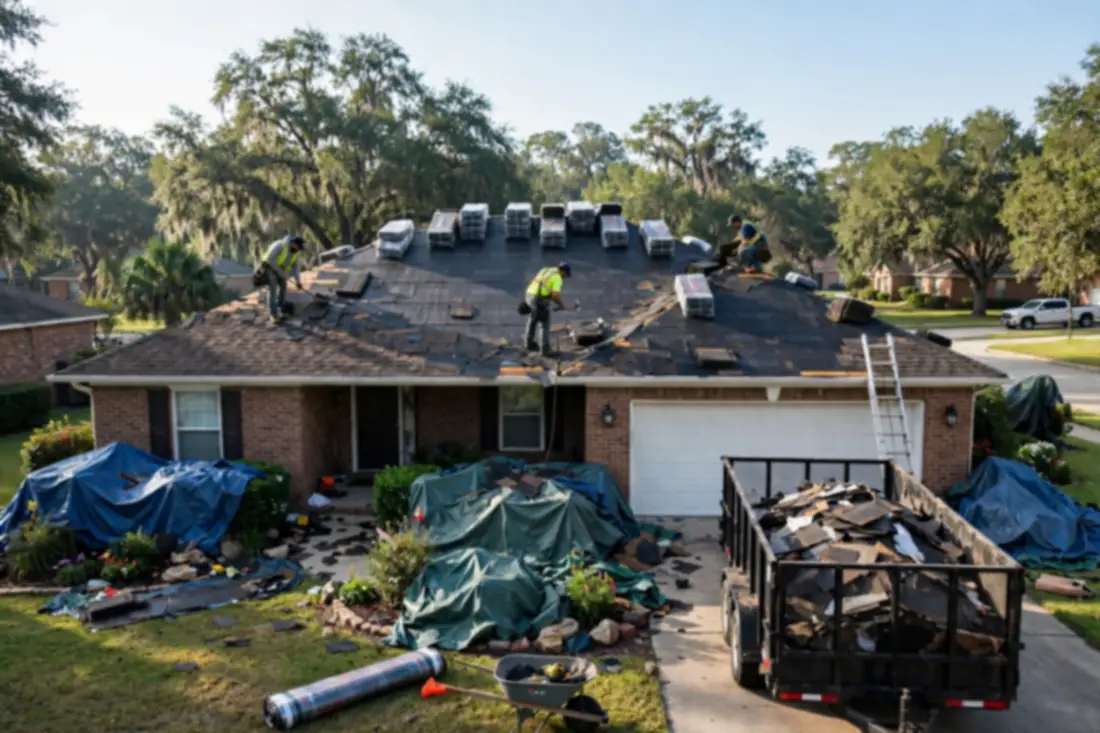
It is the question behind almost every roofing call in Houston: is this a repair, or is it time? The wrong answer in one direction throws good money at a finished roof; in the other, it tears off a roof with a decade of service left in it. The decision is not a mystery and it is not a sales technique — it rests on four kinds of evidence any homeowner can understand: the roof's age in this climate, the spread of its damage, the state of the deck beneath, and the pattern of its repair history.
This guide walks the four tests the way a diagnostician applies them, so that when the verdict arrives — whichever way it lands — you can see the evidence it stands on. Bring this framework to any roofer's visit, including ours, and hold the conversation to it.
Test One: Age, Counted in Houston Years
A roof's birthday matters, but the calendar here runs fast. Summer surfaces past 150 degrees, permanent humidity, and annual storm examinations spend asphalt shingles years ahead of their northern expectations. As a working frame: an architectural shingle roof in Houston is young under twelve years, in its decision decade from about fifteen to twenty-two, and living on evidence rather than expectation beyond that. Three-tab roofs of an earlier era run the same clock several years faster.
Age alone never decides — roofs are individuals — but it sets the burden of proof. A leak on a nine-year-old roof is presumed a detail failure until the evidence argues otherwise. The same leak at twenty-one years is presumed a symptom until the field proves it has life left. Knowing which presumption you are under focuses every question that follows.
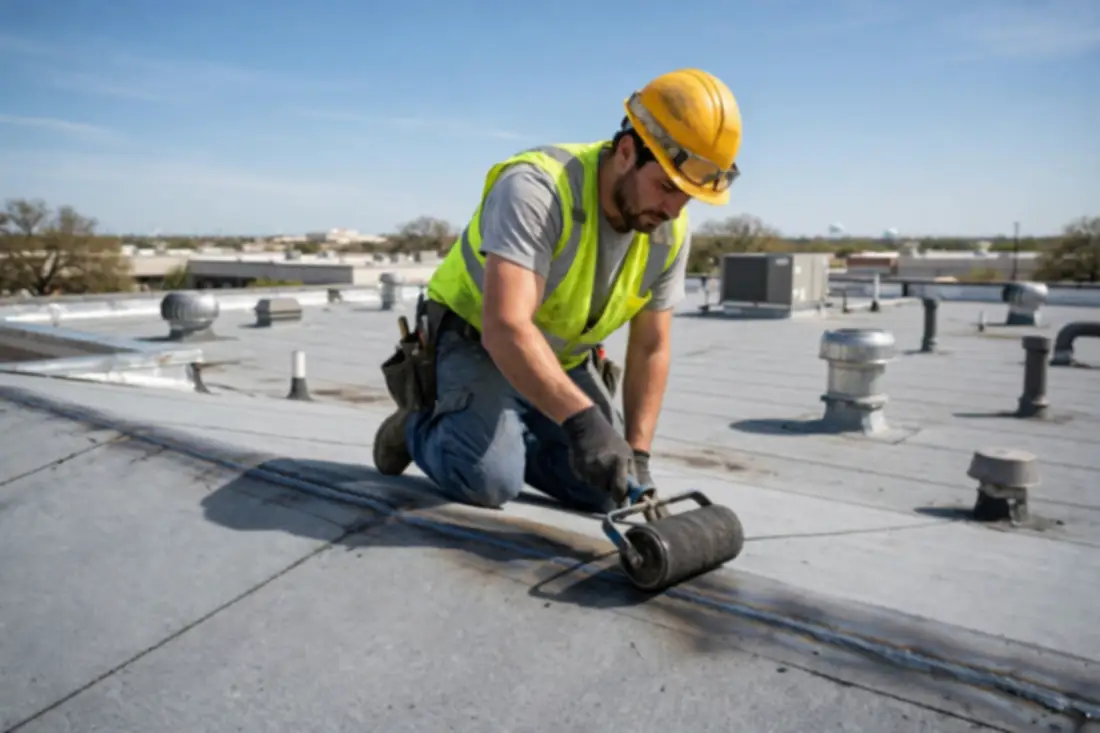
Test Two: Spread — One Address or Every Slope?
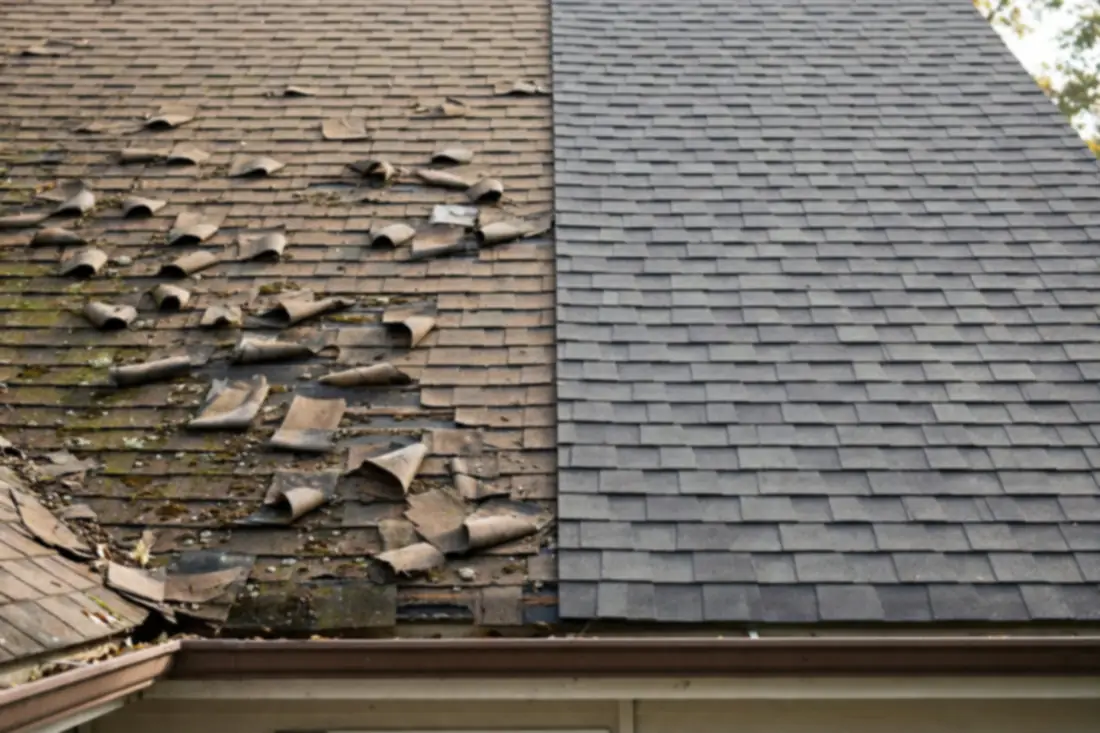
Damage has a geography, and geography is destiny. Failures at one address — a chimney's flashing, one valley, a boot cluster over the bathrooms — describe a roof with a local problem and a sound field. Failures at every address — granule loss across all slopes, seals gone on multiple faces, curling wherever you look — describe a material finishing as a whole. The first geography is repaired; the second is replaced, because repairing it means buying the same fix at every address in sequence.
This is why the inspection reads slope by slope and reports that way. 'The roof' is four or more roofs aging at different speeds on one house, and the honest verdict often differs by slope — a fact that occasionally produces the correct third answer: replace the spent slopes, maintain the sound ones, and document the plan.
Test Three: The Deck Does Not Lie
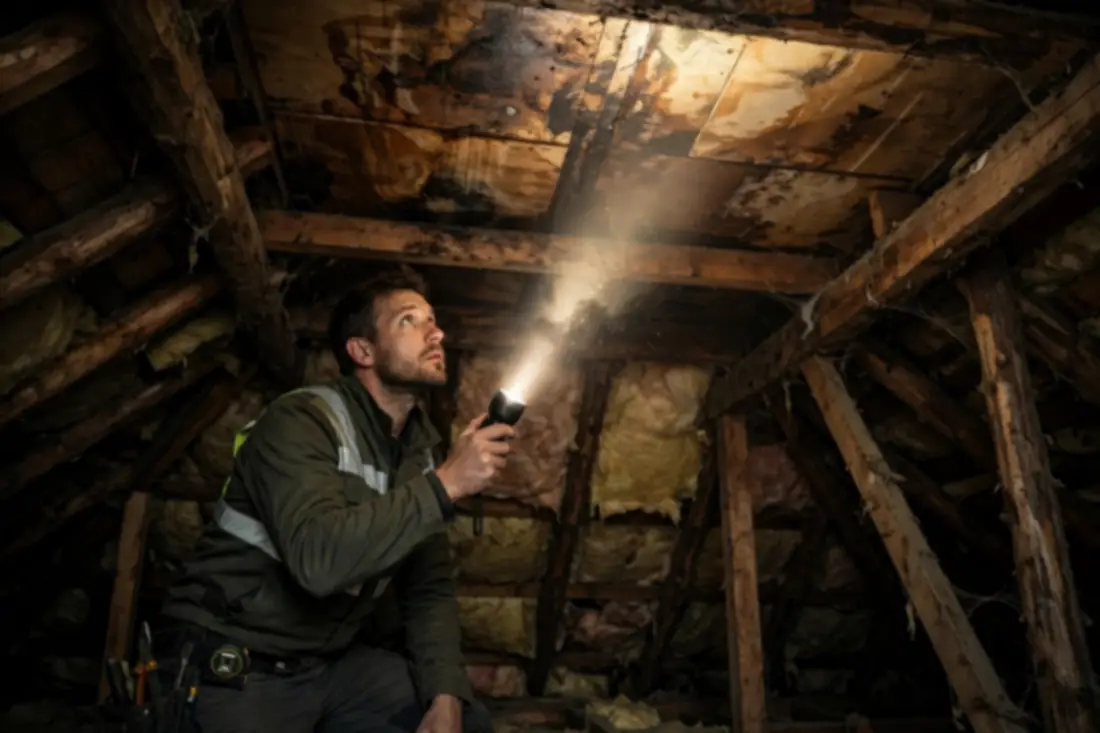
Under every field is the evidence that outranks opinion: the deck's condition, read from the attic and proven at tear-off. Localized staining around one detail's history is a repair's normal scenery. Staining across bays, soft spots at multiple eaves, daylight at several joints — that is a structure that has been receiving water in many places for a long time, and it changes the conversation from the roof's surface to the roof's system.
The attic reading is available without tearing anything off, which is why it belongs in every serious repair-versus-replacement conversation. A verdict offered without the attic has skipped the witness that saw everything.
Test Four: The Repair History Pattern
Finally, read your own file. A roof repaired once, years ago, at one address, and quiet since, is a roof in service. A roof repaired at the chimney in spring, the valley in fall, and over the garage the following year is telling you its failures have become a pattern — and patterns, not events, are what replacement answers. Each individual repair in the pattern was rational; the pattern itself is the diagnosis, and continuing it buys the same roof's decline in installments.
The decision, assembled: age sets the presumption, spread locates the problem, the deck testifies, and the history delivers the verdict. When three of the four point the same way, the answer is rarely close. And when the answer is replacement, it arrives as a plan — scoped in writing, scheduled against honest weather — rather than as the emergency the pattern was building toward.